

:max_bytes(150000):strip_icc():format(jpeg)/blowing-nose-GettyImages-1439304392-17bbb68a3596420f934d3e28efe0392c.jpg)
Key Takeaways
- Nose scabs usually heal on their own, but keeping the nose moist can help.
- Avoid picking your nose to prevent scabs and potential infections.
A scab is a hardened, protective cover for an injury or wound. It can occur anywhere on the body, including in the nose. A scab in the nose can be from dryness or irritation, or it may be due to a serious medical condition. This article will discuss the causes of scabs in the nose, treatment options, and when to contact a healthcare provider.
Martinns / Getty Images
What Causes a Scab in the Nose?
A scab in the nose can form from simple causes like blowing your nose too hard. It can also be a sign of more serious conditions. Here are different causes of scabs in the nose and a description of each.
Blowing Your Nose Too Hard
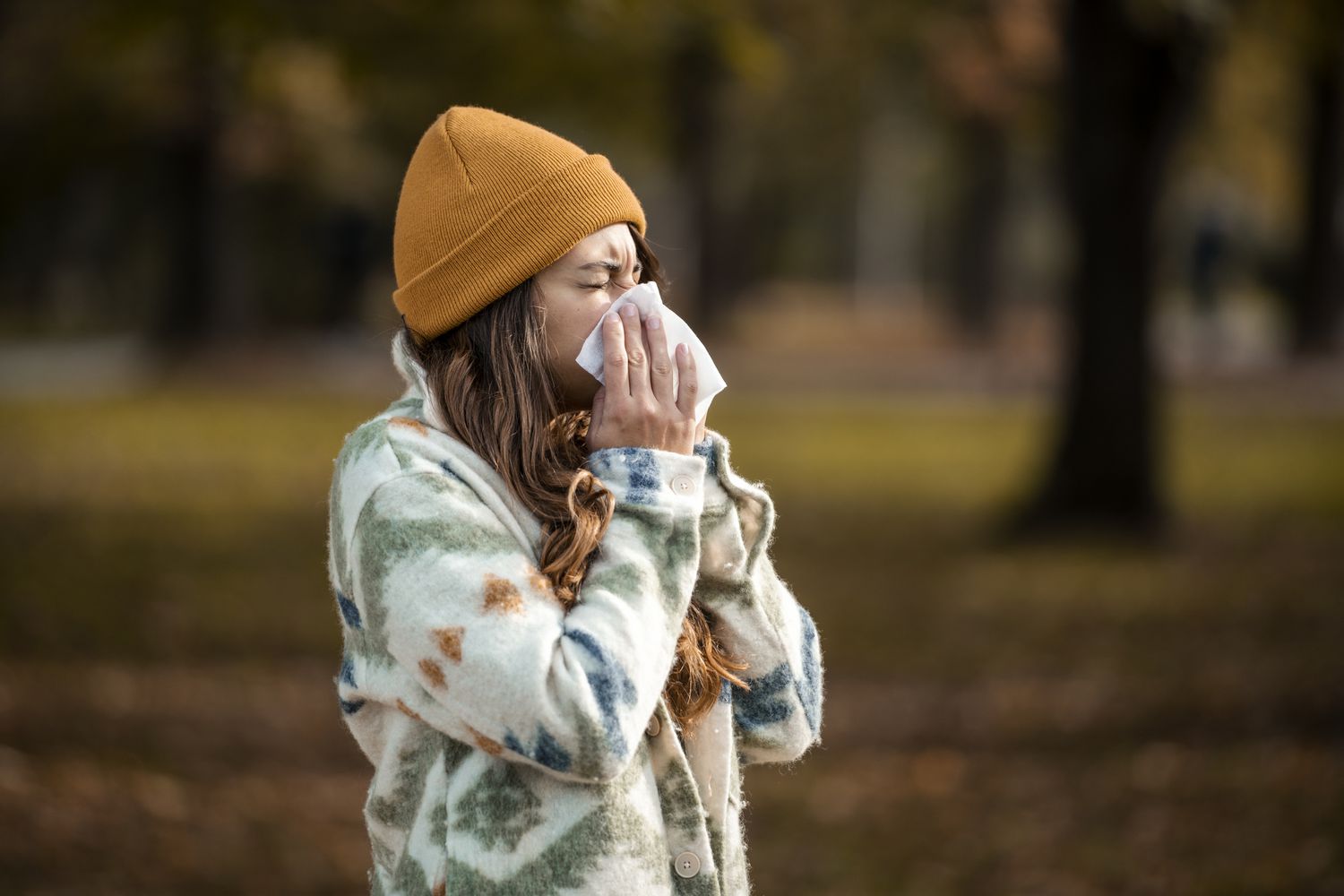
Blowing your nose when you have a runny nose or congestion helps clear mucus and makes breathing easier. However, blowing too hard can irritate and injure the inside of the nose, potentially leading to a nosebleed (epistaxis) that forms a scab as it heals. If you keep blowing too forcefully, it can dislodge the scab and cause more bleeding.
Environmental Dryness
Environmental dryness is one cause of irritation or bleeding in the nose. Dry and cold air, particularly in winter, can harm the nasal lining, causing bleeding and scabs.
Dry air often causes nosebleeds, especially in children, because the blood vessels in a child’s nose are closer to the surface, making them more vulnerable to bleeding.
Inflammation From Allergies
Inflammation in the nose from allergies is known as allergic rhinitis. It happens when your body reacts to an allergen—a common substance it mistakenly sees as harmful. This reaction increases mucus production and irritation in the nose. The inflammation and irritation can lead to bleeding, resulting in a scab.
Trauma or Nose-Picking
A scab on the inside of the nose can form due to trauma, which may be caused by nose-picking. Over a scratch or open sore, a scab will develop to heal the wound.
Pimples or Boils
The hair follicles on the inside of the nose can become blocked, causing a pimple on the inside of the nose. When the hair follicle is infected, it can cause a boil. If the pimple or boil is scratched or opened up, it may cause bleeding and a subsequent scab.
Nasal Vestibulitis
Nasal vestibulitis is a local bacterial infection in the nasal vestibule (nostril). It is often caused by the bacterium Staphylococcus aureus (staph). A staph infection can set in after minor trauma such as nose-picking, pulling nasal hairs, or nose piercing.
This infection can cause pimples or boils in the nose and a crusting discharge. It can be painful. The tip of the nose will especially be tender.
Cold Sores (Herpes Simplex Virus)
Cold sores caused by the herpes simplex virus (HSV) are common, affecting 50% to 80% of adults in the United States. Sometimes called fever blisters, cold sores form as painful, fluid-filled blisters on the lips and under the nose. When the blisters break open, they take about four to six days to form a crust and heal.
Cold sores are not commonly found inside the nose, however.
Sinusitis
Sinusitis is a condition in which the lining of the sinuses becomes inflamed. This makes it more difficult for mucus to drain from the sinuses and makes it easier for bacteria to grow. If you have sinusitis, you are likely to blow your nose often, which can lead to bleeding in the nose. When the bleeding heals, it will form a scab.
HIV
Human immunodeficiency virus (HIV) affects the immune system, making it harder to fight off other illnesses, including those that produce sinusitis and sores in the nose.
Drugs
Intranasal application of recreational drugs and substances can cause nose sores and scabs. These drugs can be used by snorting them into the nose:
- Cocaine
- Phencyclidine (PCP)
- Heroin
- Methamphetamine (meth)
- Ketamine
- MDMA (3,4-Methylenedioxymethamphetamine, also known as ecstasy)
When drugs are snorted, they cause irritation and inflammation in the nasal passages and nose, resulting in bleeding and scabs in the nose. In some cases, they can even cause necrosis (tissue death) or perforation of the nasal septum.
Overuse of Nasal Sprays
Nasal sprays like Afrin (oxymetazoline) are popular treatments for congestion, colds, and runny noses. The medicine often alleviates symptoms so well that you may want to continue taking it beyond its recommended time. However, when you stop using it after prolonged use, you can experience rebound congestion, medically known as rhinitis medicamentosa.
Overusing nasal sprays can dry out the inside of the nose, making it more prone to bleeding, which can lead to scabs.
Nasal Cancer
Cancers of the nose and nasal cavities are rare. They account for only 3% to 5% of head and neck cancers. One of the symptoms of nasal cancer is a lump or mass on the inside of the nose. A lump inside the nose does not mean you have cancer, but a healthcare provider should examine you nonetheless.
How Is a Scab in the Nose Diagnosed?
A healthcare provider may use a number of methods to diagnose a scab in the nose. The first step will be to take the person’s medical history, ask about medication and drug use, and perform a physical exam. They will look at the scab and will likely be able to determine the cause based on the appearance and information from the patient.
If the healthcare provider is unable to determine the cause, they may order testing like a biopsy of the scab (taking a sample tissue to be analyzed in the lab).
How Are Scabs in the Nose Treated?
Nose scabs generally heal on their own and do not need treatment. However, some scabs may need to be treated based on the underlying cause.
Home Remedies
Nose scabs caused by a nosebleed or small scratch to the nose can be treated with home remedies. These treatments may include:
Medical Treatments
Treatment for nose scabs will be based on the cause. The treatments may include:
Can a Scab in the Nose Be Prevented?
While all nose scabs can’t be prevented, the following practical tips can decrease the likelihood of developing a scab:
When to Contact a Healthcare Provider
Anytime a scab in the nose does not improve, it worsens, or it’s from an unknown cause, a healthcare provider should be contacted. They will be able to evaluate the scab and determine if treatment is necessary.