

Key Takeaways
- Compounds in turmeric and rhubarb slowed the growth of some multidrug-resistant bacteria found in wastewater, according to a new study.
- These compounds cannot replace antibiotics, but they may help limit bacterial growth in systems like drinking water.
Turmeric and rhubarb contain natural compounds that may help fight antibiotic-resistant bacteria, according to new research.
Antibiotic-resistant bacteria are germs that have evolved to survive the drugs designed to kill them, making certain infections harder to treat. Antibiotic resistance is a major and growing global public health threat.
Turmeric and Rhubarb Compounds Show Promise Against Resistant Bacteria
Researchers at Utah State University identified nine multidrug-resistant bacteria in wastewater. Some of them could pass their resistance genes to more dangerous germs, raising concerns about the potential development of highly drug-resistant superbugs.
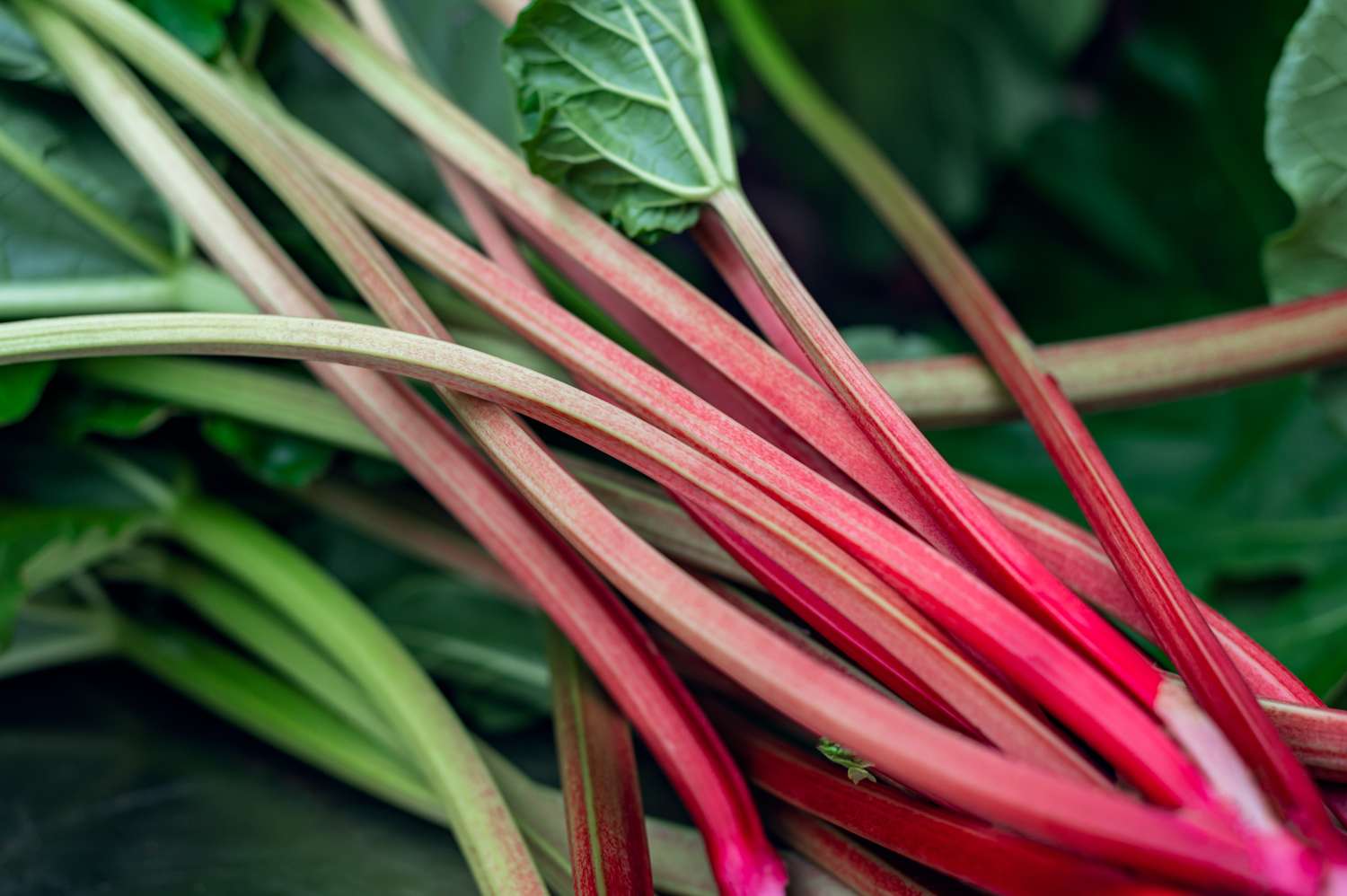
To explore ways to stop these bacteria from spreading, the researchers tested different natural compounds. Curcumin, a compound in turmeric, and emodin, from rhubarb, were the most effective at slowing cell growth and preventing the formation of biofilm—a bacterial community.
“When they form biofilm, they are more harmful to human bodies, and they are hard to get rid of. If we can use those natural compounds, potentially, we can suppress those biofilms, which means we can inhibit those bacteria before they spread,” Joanna Hou, PhD, senior author of the study and an assistant professor in the Utah Water Research Laboratory and biological engineering department at Utah State University, told Verywell.
Hou added that while turmeric- and rhubarb-derived compounds disrupted the cell structure of certain bacteria, they may not destroy all antibiotic-resistant bacteria.
Why These Compounds Aren’t a Substitute for Antibiotics
While the new study presents interesting findings, turmeric and rhubarb compounds can’t replace antibiotics for treating infections.
Hou said, however, finding a way to use these natural compounds in drinking water systems could help inhibit some bacterial growth or biofilm formation. Drinking water already contains disinfectants, such as chlorine, to help kill certain germs.
Why Antibiotic Resistance Is a Growing Health Threat
Data shows that antibiotic-resistant hospital infections had increased by 20% during the COVID-19 pandemic, and the cases remain above pre-pandemic levels.
People who become infected with drug-resistant bacteria sometimes require extensive hospital treatment, since standard antibiotics are no longer effective.
“Antibiotic-resistant bacteria do not necessarily increase the severity of the infection when compared to bacteria that are more responsive to antibiotics, but the likelihood of curing the infection is lower,” Christine Pham, PharmD, BCIDP, an infectious diseases clinical pharmacist at UCLA Health Antimicrobial Stewardship Program, told Verywell in an email.
How to Prevent the Spread of Antibiotic-Resistant Bacteria
Taking antibiotics when you don’t need them or not finishing a prescribed course can increase the likelihood that certain bacteria become resistant.
“The most effective way to prevent the rise of antibiotic-resistant bacteria is judicious use of antibiotics. So not using them for viral infections, for example. And when they are used, it is important to take the dose and duration that is prescribed to optimize the killing effect of those antibiotics,” Mehreen Arshad, MD, MBBS, an adjunct associate professor of pediatric infectious diseases at Northwestern University Feinberg School of Medicine, told Verywell in an email.
Other important strategies to prevent the spread of these bacteria include proper handwashing, safe sex, vaccinations, and not sharing personal hygiene items like razors and towels.
“I do want to emphasize that antibiotics are the cornerstone of disease management in both humans and animals,” Arshad said. “They are not inherently ‘bad’. However, like any drug, their appropriate use is critical.”
:max_bytes(150000):strip_icc()/StephanieBrownnewheadshot-e5ca9ba2a404491384e9300a7871f190.jpg)