

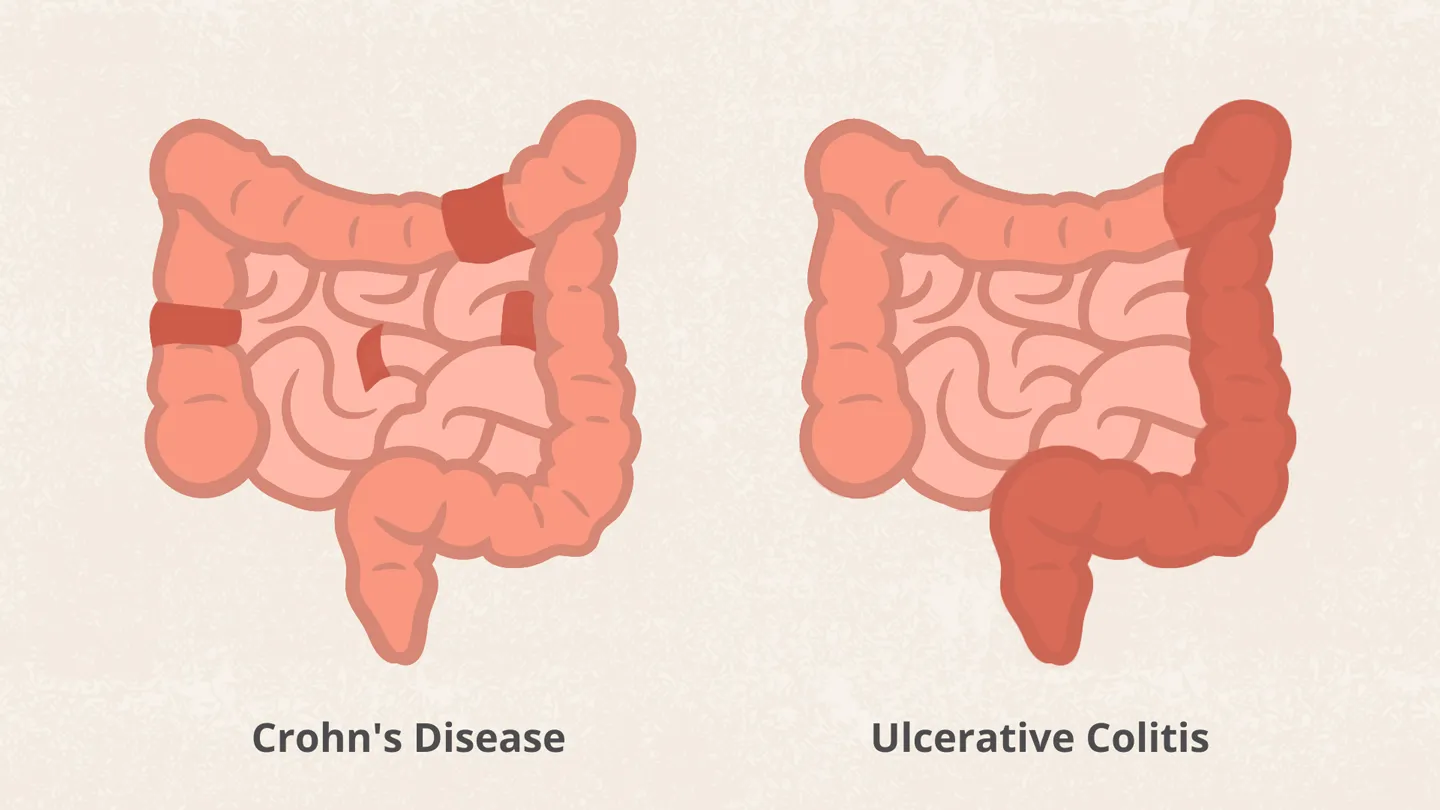
Crohn’s disease and ulcerative colitis are generally treated with the same types of medication, however patients may respond differently to the same drug. The goal of treatment is to reduce the inflammation, which in turn reduces symptoms, allows your body to repair damaged tissue, and helps slow the progression of the disease.
Medications
Today, many people living with IBD take a class of drugs called biologics, which are protein-based therapies that target specific parts of the immune system that are inappropriately activated. Other classes of drugs include immunomodulators, which tamp down the immune system’s inflammatory response, corticosteroids, and aminosalicylates, the oldest class of drugs, which are used to keep the disease in remission.
A newer type of drug, called Janus kinase inhibitors, or JAK inhibitors, consists of small molecule compounds that are absorbed into the bloodstream and can block multiple pathways of inflammation.
“JAK inhibitors are being used most frequently in patients with moderate to severe disease that have failed other therapies,” Dr. Cohen says. “There is an active area of research considering the potential use of JAK inhibitors as first-line therapies, especially in patients with more severe disease, due to their rapid onset of action.”
Dietary Changes
Diet is another important factor in flare-ups of both diseases. While everybody is different, high-fiber vegetables like broccoli and cauliflower, uncooked produce, and unpeeled fruit are foods that people with IBD, particularly those with intestinal narrowing, have difficulty digesting. Dairy and fatty or greasy foods can also trigger symptoms in some people.
The American Gastroenterological Association (AGA) recommends following a Mediterranean diet, which is rich in fruits, vegetables, whole grains, and lean proteins, unless contraindicated. The AGA also advises minimizing salt, sugar, and ultra-processed foods.
Work with a dietitian to determine which foods you can safely eat and which ones you should avoid.
Surgery
Surgery presents an additional avenue for symptom relief in both Crohn’s and ulcerative colitis cases. For ulcerative colitis, procedures such as a colectomy or J-pouch surgery offer relief when medication fails. Meanwhile, in Crohn’s disease, surgery is often necessary to remove damaged sections of the intestine or repair fistulas.
Though it is an effective option, research shows that surgery for IBD is declining due to medical advancements like biologics.