

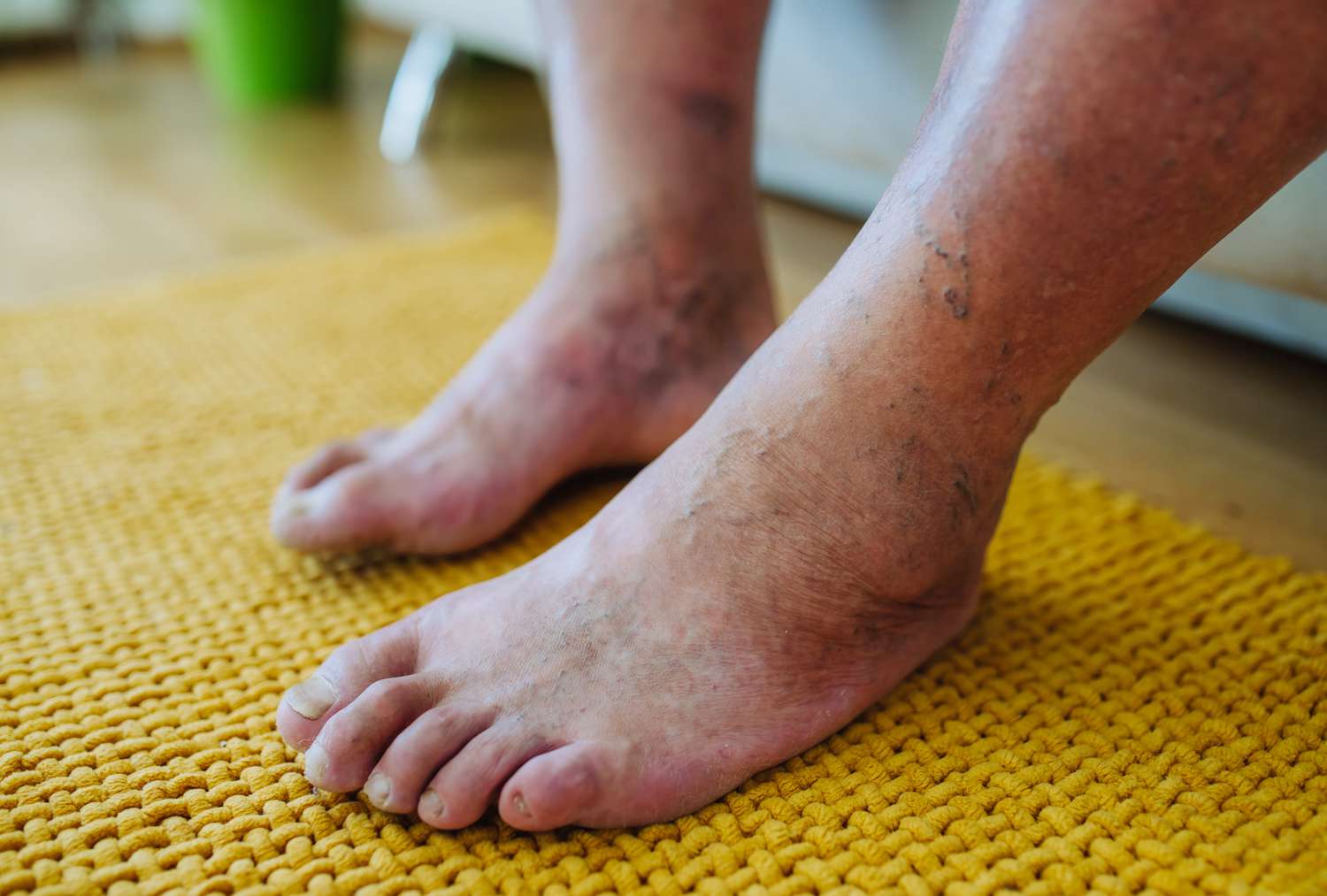
:max_bytes(150000):strip_icc():format(jpeg)/Diabetic-peripheral-neuropathy-5208619_final-f205ec5b866448108867a91cc588dd8b.jpg)
Key Takeaways
- Diabetic peripheral neuropathy is nerve damage in the extremities caused by diabetes.
- You can help prevent and slow down the progression of diabetic peripheral neuropathy with early detection and treatment.
- Inspect your own feet for signs of diabetic neuropathy, which include numbness, burning, tingling, and shooting pains. See a healthcare provider regularly for foot exams.
Diabetic peripheral neuropathy is nerve damage caused by diabetes that occurs in the feet, legs, hands, and arms. It’s the most common type of nerve damage in people with diabetes and affects up to one-half of those with diabetes.
The risk of developing diabetic peripheral neuropathy increases the longer you’ve had diabetes. Other factors that may increase a person’s risk include high blood glucose (blood sugar) levels, age, smoking, diabetic retinopathy, high levels of fats, such as triglycerides, height, and waist circumference.
The article explains the symptoms, causes, diagnosis, and treatment of diabetic peripheral neuropathy.
Verywell / Michela Buttignol
Types of Diabetic Neuropathy
There are several types of nerve damage or dysfunction that can be caused by diabetes.
Peripheral neuropathy is the most common, but there are other kinds, including:
- Autonomic neuropathy affects nerves controlling internal organs and impacts up to 30% of people with diabetes.
- Focal neuropathy involves a single nerve, occurring in areas like the hand, head, torso, or leg.
- Proximal neuropathy is a less common type, causing nerve damage in the hip, buttock, or thigh.
Diabetic Peripheral Neuropathy Symptoms
Symptoms vary based on which nerves are affected. If the small nerves are damaged, you might experience sensitivity to hot and cold temperatures and pain. These nerves send important signals about pain and temperature to your brain.
Diabetic neuropathy can also affect large nerves, which detect touch and pressure and assist in maintaining balance.
Numbness and Loss of Protective Sensation (LOPS)
Numbness in the hands, feet, legs, and arms is a form of sensory neuropathy, affecting large nerve fibers.
Loss of protective sensation (LOPS) means you are less likely to feel minor trauma, such as a foot injury. Unnoticed injuries can lead to infections. LOPS is an indication of distal sensorimotor polyneuropathy, reducing your ability to move and feel your feet or hands and increasing the risk for diabetic foot ulcers.
Burning and Tingling in Feet
Tingling or burning in the feet, also referred to as dysesthesia, occurs when the small nerve fibers are affected. This is the most common early symptom of neuropathy.
Shooting Pain and Painful Cramps
This type of neuropathy affects the motor nerves and is commonly associated with muscle weakness. Painful cramps that are felt in the legs, particularly when walking that cease when at rest, may need a further workup from a vascular surgeon who specializes in surgery to correct problems with blood flow.
This symptom, referred to as intermittent claudication, can be a symptom of peripheral vascular disease, in which an artery supplying the limb is partially blocked.
Loss of Balance
Peripheral nerve injury can affect balance in people with diabetes and can increase the risk of falls.
Appearance of Deformity in Foot
Underlying neuropathy and trauma to the foot can lead to deformities of the foot, including hammertoes, bunions, and Charcot foot.
Charcot foot affects the bones, joints, and soft tissues of the foot and ankle. Diabetic neuropathy is the most common underlying cause. Sensory, motor, or autonomic neuropathy, trauma, and metabolic abnormalities all contribute to Charcot foot.
Injuries to Foot You Can’t Feel or Explain
When people with diabetes have a loss of sensation in their feet, they may not feel it when they injure themselves. An injury that is left untreated can cause a bigger issue, such as an ulcer or infection. It’s important to wear proper shoes and avoid walking around barefoot.
Hot and Cold Sensitivity
Nerve damage can interfere with the body’s ability to feel temperature. An inability to feel or sense heat can increase the risk of burns. If you have neuropathy that affects your ability to sense heat, avoid stepping directly into a hot tub; use your forearm to check the water or another part of your body that has sensation.
Nerve damage can also reduce blood flow to the feet and hands, making them feel cold or get cold more quickly.
Pain Affects Sleep
Neuropathy that has gone undetected or has not been treated for many years can become severe. In this case, pain can occur during everyday activities such as walking and sleeping.
Causes of Diabetic Peripheral Neuropathy
The exact cause of peripheral neuropathy is unclear. But there are some factors known to increase your risk:
Elevated blood sugars and inadequate blood flow can result in nerve damage in the legs, feet, arms, or hands. High blood glucose can impair the nerves’ ability to transmit signals and cause chemical changes. Elevated sugar can also damage blood vessels that carry oxygen and nutrients to the nerves.
Nerve signaling in neuropathy is disrupted when there is a loss of signals normally sent, inappropriate signaling from nerves, or errors in nerve signaling that distort messages being sent.
When nerve damage to the extremities causes damage to multiple peripheral sensory and motor nerves, it is referred to as diabetic polyneuropathy. This can lead to loss of sensation, difficulty in wound healing, and an increased risk of infection.
The American Diabetes Association (ADA) recommends that all people with diabetic peripheral neuropathy be checked for other causes of neuropathy, such as exposure to toxins, renal disease, hypothyroidism (underactive thyroid), vitamin deficiencies, infections, malignancies, inherited neuropathies, and vasculitis.
Diagnosis
The ADA states that, “Up to 50% of diabetic peripheral neuropathy may be asymptomatic. If not recognized and if preventive foot care is not implemented, patients are at risk for injuries to their insensate feet.”
It’s important for people with diabetes to have their feet examined during routine medical visits. Your healthcare professional or certified diabetes care and education specialist can do a foot exam to inspect your feet visually and determine your level of sensation. If an issue exists, further workup may be necessary.
Foot Exams
The ADA Standards of Care recommends, “Patients with type 1 diabetes for five or more years and all patients with type 2 diabetes should be assessed annually for diabetic peripheral neuropathy (DPN) using the medical history and simple clinical tests.”
Detailed foot assessments may occur more frequently in people with histories of ulcers or amputations, foot deformities, insensate feet, and peripheral arterial disease (PAD). Clinical tests may be used to assess small- and large-fiber function and protective sensation:
- Small-fiber function: Pinprick and temperature sensation
- Large-fiber function: Vibration perception and 10-g monofilament or using a 128-Hz tuning fork
- Protective sensation: 10-g monofilament
- Inspection and palpation for pedal pulses
Nerve Conduction Studies and EMG
Nerve conduction studies (NCS) and electromyography (EMG) testing may be used to confirm the presence of peripheral neuropathy and assess its pattern and severity, prognosis, and possible treatment options. The ADA suggests that these types of tests are rarely needed except when the clinical features are atypical and the diagnosis is unclear.
Treatment
Treatment protocols should be developed based on a person’s unique health history and symptoms. There is no specific treatment for underlying nerve damage, but glycemic control can help to prevent diabetic neuropathy in type 1 diabetes and may slow the progression in type 2 diabetes.
Medications and other nonpharmacologic strategies can help to reduce pain and increase quality of life.
Glycemic Control
For people who have blood sugars that are too high, optimizing blood sugar control can help to prevent and slow the progression of neuropathy.
Blood sugar management strategies may include finding the best medication options, encouraging medication adherence, and diabetes self-management education such as meal planning, exercise, and smoking cessation, to name a few.
Foot Care Education
Learning how to care for your feet is important in preventing and treating neuropathy. People with diabetes should understand how to do their own foot exams. To examine your feet, inspect between your toes and the bottoms of the feet (using an unbreakable mirror). Inspect your feet for dry, cracked skin.
After showering, dry your feet well, especially between the toes, and do not apply lotion between the toes. This area is very moist, and lotion can increase the risk of fungal infections. Avoid walking around barefoot. Wear clean, dry cotton socks.
Check your feet daily if you have a history of neuropathy or foot injury. If you find anything suspicious or out of the ordinary, be sure to contact your doctor.
Medications
Your doctor may talk to you about starting certain medications to reduce neuropathic pain. Lyrica (pregabalin), Cymbalta (duloxetine), or Neurontin (gabapentin) are recommended as initial pharmacologic treatments for neuropathic pain in diabetes.
Special Footwear
Therapeutic footwear is recommended for those at high risk who have severe neuropathy, foot deformities, ulcers, callus formation, poor peripheral circulation, or a history of amputation.
When to See a Healthcare Provider
Pain from neuropathy can impact quality of life and lead to feelings of sadness. If you are in pain, you should seek medical treatment. Certain medications can help to alleviate pain.
In addition, if you have a wound that won’t heal, notice any deformities, or are experiencing muscle pain, weakness, or cramping, you should contact your doctor. Many people with diabetes benefit from seeing a podiatrist, who specializes in foot care.
Summary
Diabetic peripheral neuropathy is a very common type of neuropathy in people with diabetes. Screening, early detection, and treatment can help prevent and slow down the progression of the disease.
The earliest symptoms include numbness and tingling and may appear gradually. All people with diabetes need to have their feet inspected by a medical professional. In addition, understanding what to look for and how to inspect your own feet is important.