

Key Takeaways
- If your knee is stable despite a partial ACL tear, you may not need surgery.
- Surgery may be needed if you have knee instability, severe pain, or if you are an active person.
Whether a partial ACL tear requires surgery depends on how much it disrupts your knee stability and daily function. Surgery is typically reserved for significant instability or when your injury interferes with your active lifestyle.
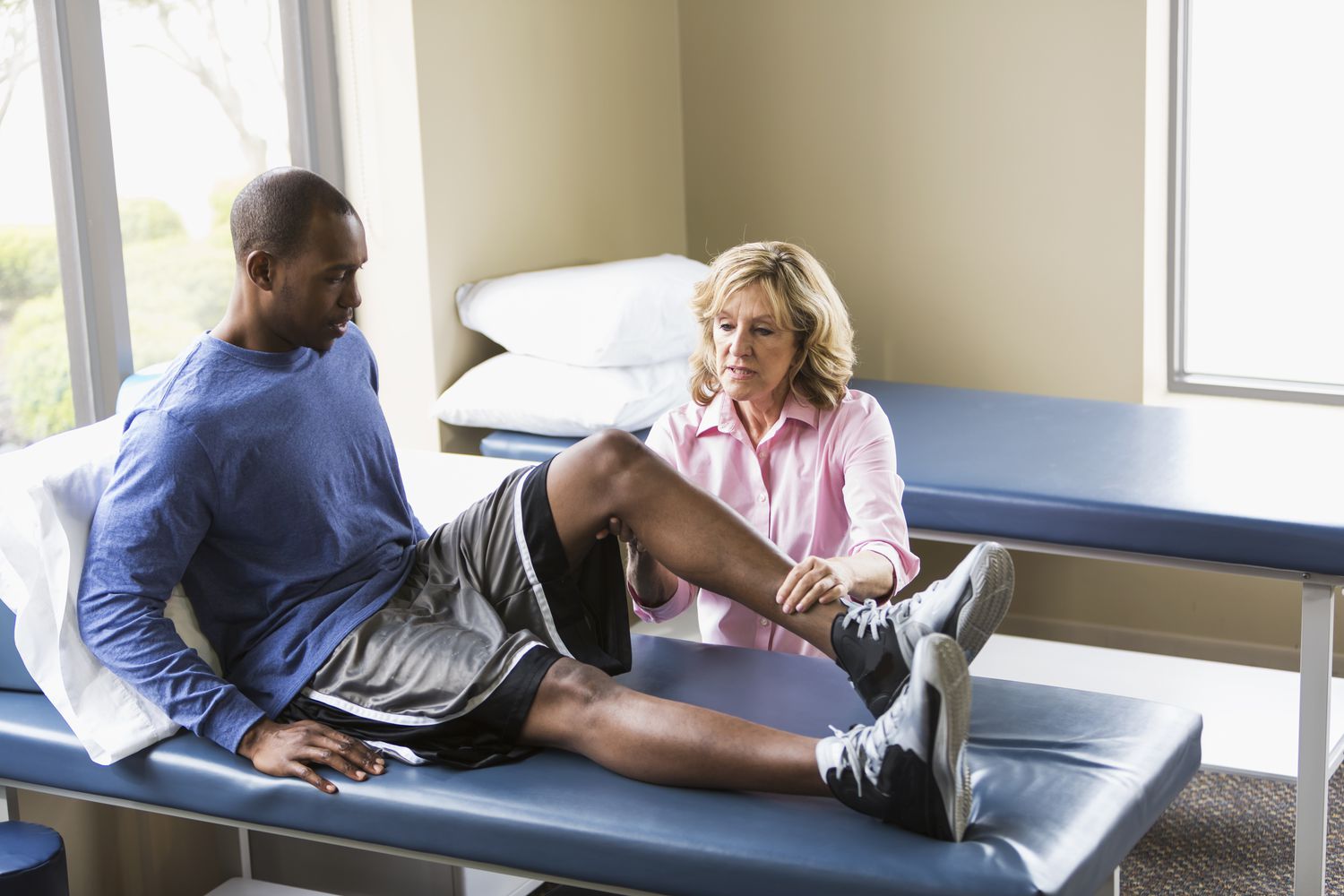
Kali9 / Getty Images
How a Partial ACL Tear Affects Your Knee
The ACL helps ensure normal movement and function in the knee joint. It connects the thigh bone (femur) to the shinbone (tibia), preventing the tibia from sliding too far forward. The ACL also supports knee stability during rotation. An injury to the ACL is known as a sprain.
ACL injuries can occur during activities like landing a jump, suddenly changing running directions, or falling. A torn ACL can impact knee function. Common symptoms are:
- Pain and swelling around the knee joint
- Loss of full range of motion
- Tenderness along the joint line
- Discomfort when walking
A partial ACL tear, also known as a grade 2 sprain, is rare and happens when the ligament is stretched enough to become loose and damaged.
It is not always clear if partial tears should be treated surgically, since in many cases it is possible to recover after nonsurgical rehabilitation. The decision often depends on your pain level and whether or not your knee is unstable.
A grade 1 sprain involves a slightly stretched ligament with a relatively stable knee. In contrast, a grade 3 sprain means a complete ACL tear, leading to knee instability. Surgery is usually needed to fix this.
Is Surgery Right for You?
Your healthcare provider considers several factors to determine if surgery is needed for a partial ACL tear:
- Physical exam: A physical exam can help assess the extent of your injury. This will often include a Lachman test, which places stress on the ACL, and a pivot-shift test, which is a subjective test of the knee.
- Knee instability: Treatment for a partial ACL tear depends mainly on the knee’s instability. Your healthcare provider will assess this during an exam, or you might notice it yourself. If your knee gives way often when walking, surgery might be advised.
- Age: Research suggests ACL surgery is as effective for those over 50 as for younger people, though recovery can take longer for older adults. Older people are also more likely to have post-surgery complications. Therefore, individuals in this age group might consider non-surgical options, particularly if they aren’t very active.
- Pain level: Surgery may be a good option if you are experiencing a lot of pain and if ongoing pain is likely to impact your quality of life.
- Athleticism: If you are an athlete or work in a profession that requires you to be on your feet, surgery will give you the best chance of being able to return to these activities.
- Other knee injuries: If you have a torn meniscus, broken bones, or injuries to other ligaments or tendons, surgery may be necessary to restore the function of the knee.
- Children’s growth plates: Children with partial ACL tears need special evaluation, since growth plates don’t close until between the ages of 14 and 16. Growth plates are structures that allow the bones to become longer as a child grows. New surgical techniques may help repair ACL injuries in children who are not likely to benefit from non-surgical treatment, such as athletes.
If the need for surgery isn’t clear, you may receive an arthroscopy. During this procedure, a surgeon threads a tube with a camera through a small incision so that they can visualize and diagnose problems inside a joint.
For an ACL injury, however, arthroscopy can be very subjective. Healthcare providers may have differing opinions on the scope of the problem and the “right” remedy.
What to Expect With Partial ACL Reconstruction
While grade 3 injuries often require complete reconstruction, a grade 2 injury may be treated with partial reconstruction. During this procedure, the ACL is reconstructed using tissue obtained either from somewhere else in the body or from a donor. The new ligament is created to replace the damaged ligament.
This surgery can be a good option for people with partial ACL tears. Studies have shown that most patients undergoing partial reconstruction will have improved knee stability and function.
After this procedure, you will likely have to wear a knee brace for a few weeks. Physical therapy might be required for several months to help restore knee function. Many people can return to sports and similar activities around six months after this surgery.
Recovery Options Without Surgery
Most people with partial tears recover without surgery, typically in about three months.
When surgery isn’t recommended, several non-surgical treatments can help people with partial ACL tears. These treatments typically involve bracing and using crutches to protect the knee during recovery. You can start physical therapy once swelling decreases.
The goal of nonsurgical treatment is to maintain the strength of the muscles surrounding the joint and to optimize the stability of the joint. A custom brace might be provided for individuals wanting to return to sports.
Surgery Isn’t For Everyone
Nonsurgical treatment may be suitable for older adults or those with low activity levels.
Frequently Asked Questions
-
Will I need X-rays to see if I have an ACL tear?Probably not. An X-ray will reveal the presence of a broken bone, but not a torn ligament. A thorough physical exam, along with a review of your medical history, is usually enough to make an ACL diagnosis.
-
Will I be able to return to playing basketball after ACL surgery?All things depend on how well you follow the advice of your healthcare team, including your physical therapist. But it’s fair to expect that it will take at least six months before you can resume play.
:max_bytes(150000):strip_icc()/Jonathan-Cluett_1000-2407608be738446cb867da6adba1642c.jpg)