

Key Takeaways
- Dyspepsia is a common stomach condition that causes pain, bloating, and nausea.
- Some medicines like antacids and proton pump inhibitors can help treat dyspepsia.
- Dyspepsia symptoms can feel like a burning pain in the stomach or cause fullness after eating.
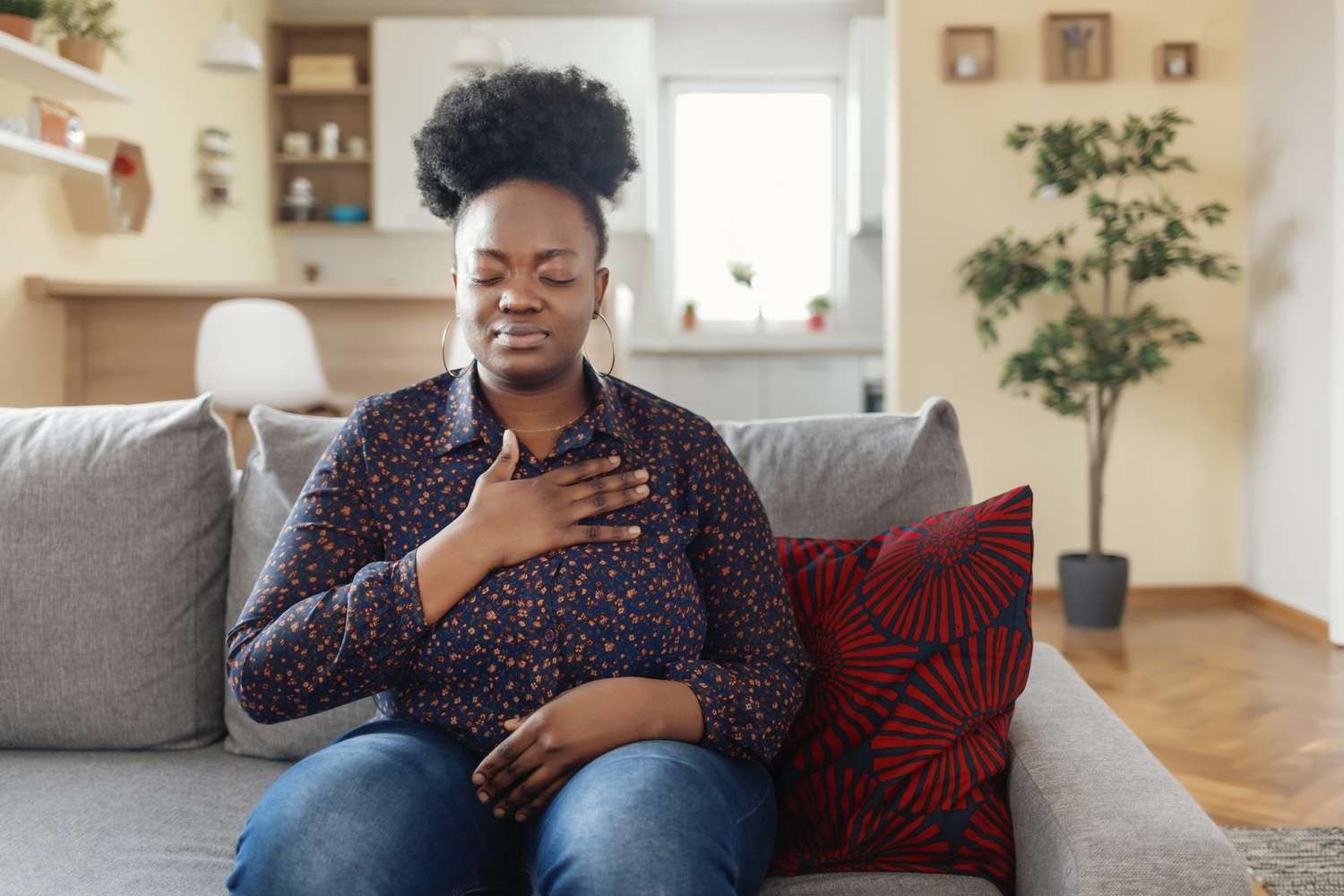
Dyspepsia is a stomach condition that’s also sometimes called indigestion. It causes stomach pain and burning, bloating, nausea, and gas. Dyspepsia is common and could be related to a problem with the muscles in the stomach. It might be treated with various medications and changes to diet.
This article discusses the symptoms and potential causes of dyspepsia. It also covers how it might be diagnosed and the potential treatments for symptoms, as well as when to see a healthcare provider.
PixelsEffect / Getty Images
Symptoms of Dyspepsia
Symptoms used to help diagnose dyspepsia can also be common in other conditions. It’s important to discuss what you’re experiencing with your healthcare provider to rule out other causes. In North America, about 20% of adults experience symptoms of dyspepsia.
Symptoms of dyspepsia include:
Types of Dyspepsia
Functional dyspepsia is diagnosed when no physical cause for symptoms is found. It may be classified as either epigastric pain syndrome or postprandial distress syndrome, though it may not always be necessary to distinguish between the two.
Epigastric pain syndrome involves:
- Bothersome stomach pain or burning occurring one or more days a week over the past three months
- Symptoms persisting for at least six months
Postprandial distress syndrome involves:
- Uncomfortable fullness after eating or early satiety—unable to finish a regular meal or participate in usual activities—on three or more days a week over the past three months
- Symptoms persisting for at least six months
Causes of Dyspepsia
The exact cause of dyspepsia is unclear, and it is referred to as a “functional disorder” because tests do not reveal a physical cause for the symptoms.
Dyspepsia may be related to how the stomach functions. Normally, the stomach and the diaphragm—the muscle between your chest and abdomen—relax after eating to create space for food and aid digestion.
In individuals with dyspepsia, these normal muscle changes might not occur as they should, possibly causing symptoms like bloating, heartburn, or feelings of fullness.
How to Treat Symptoms of Dyspepsia
Certain medications can be used to treat dyspepsia symptoms. Treatment options include both over-the-counter (OTC) and prescription medications.
Antidepressants
Drugs known as antidepressants can have effects on the nervous system and the digestive system. They can help relax the muscles involved and relieve symptoms of dyspepsia. For dyspepsia, they are usually given in lower doses than what’s needed to treat depression.
H2-Receptor Blockers
This medication is available both over the counter and by prescription. These drugs reduce the amount of acid produced by the stomach:
- Nizatidine
- Pepcid AC (famotidine)
- Tagamet HB (cimetidine)
OTC Antacid Remedies
These medications reduce acid and are available in drugstores without a prescription. Antacids usually are a first-line treatment for symptoms. Some brands are:
- Alka-Seltzer
- Maalox
- Mylanta
- Rolaids
- Riopan
Prokinetics
Prokinetics might be tried when other types of drugs aren’t helpful. There is not a lot of evidence for their effectiveness. But in some cases, they may help empty the stomach more quickly.
Proton Pump Inhibitors (PPIs)
These are medications that reduce the amount of stomach acid produced. This may help some people who have symptoms of dyspepsia. PPIs, such as the following, are available both over the counter and with a prescription:.
- Prevacid (lansoprazole)
- Prilosec (omeprazole)
- Nexium (esomeprazole)
Lifestyle and Dietary Changes
Lifestyle changes and altering the foods you eat may reduce symptoms or prevent them. A healthcare provider or a dietitian may recommend the following changes to your diet:
- Avoiding spicy, greasy, acidic, and fatty foods
- Avoiding or limiting caffeine and alcohol
- Eating a healthful diet with enough fiber, fruits, and vegetables
- Staying hydrated by drinking enough water
Are There Tests to Diagnose the Cause of Dyspepsia?
In some cases, dyspepsia is diagnosed without doing much testing, especially if the symptoms are mild. Medications may be enough to improve symptoms.
However, testing may be needed for some people, especially if symptoms are severe or there’s reason to rule out other, more serious conditions.
Blood tests: A complete blood count (CBC, to measure red and white blood cells) and other tests might be requested. Results of blood tests alone usually aren’t enough to make a diagnosis. Instead, the results are used along with other tests to rule out more serious conditions.
Breath test: Some people with dyspepsia may also have an infection with a bacterium called Helicobacter pylori (H. pylori). It is a common type of infection that is treated with antibiotics. A test for H. pylori might be done if symptoms don’t get better with a trial use of certain medications.
Endoscopy: In an endoscopy, a tube with a light and a camera on the end is passed through the mouth and down into the stomach. This test can show a healthcare provider if there are any problems with the esophagus (food tube) or stomach, such as an ulcer.
Motility studies: Tests that check the muscles of the stomach and other organs might be used. They’re not readily accessible and may only be used for people with severe symptoms. Tests can include:
- Gastric barostat study
- Scintigraphy
- Single photoemission computed tomography (CT)
- Wireless motility capsule
When to See a Healthcare Provider
The symptoms of dyspepsia are bothersome and can be painful, but they aren’t usually serious. However, they are similar to symptoms of other, more serious conditions, which will need to be ruled out. Reasons to see a healthcare provider right away include:
Frequently Asked Questions
-
What causes dyspepsia?Dyspepsia’s cause is unclear, but it may involve issues with how digestion muscles work. Even if no physical cause is found, it’s important to address symptoms. Some medications can improve the stomach muscles’ function, which may relieve symptoms.
-
How can I get rid of dyspepsia?To manage mild dyspepsia, some people benefit from dietary changes and over-the-counter medications. These steps can help control symptoms.
-
What does epigastric pain feel like?Epigastric pain occurs in the upper abdomen, near the stomach. It may feel like fullness or burning, ranging from mild to severe. If the pain is severe, consulting a healthcare provider is important to rule out serious conditions.
:max_bytes(150000):strip_icc()/AmberJ.Tresca_1000-03288146de15463da9ec7713d9c70c40.jpg)