

Key Takeaways
- You need protein throughout your life for growth, cell structure, muscle building, and more.
- Protein needs vary from person to person, but a general recommendation is that 10-35% of your calories come from protein.
- There are many options when it comes to high protein snacks, which include both plant-based and animal-based proteins.
High protein snacks support energy and help you feel full longer between meals. While bars and shakes are popular choices, there are plenty of other easy, high protein snack options.
High Protein Snacks
Plant and animal foods contain protein in varying amounts. Including protein with snacks may help maintain blood sugar levels, keep hunger at bay, and help you meet your protein goals.
| Amount of Protein in One Serving of Various High Protein Snacks | ||
|---|---|---|
| Snack | Serving Size | Protein / % DV |
| Canned Tuna | 3 oz (85 g) | 20.1 g / 40% DV |
| Edamame (shelled) | 1 cup (155 g) | 18.4 g / 37% DV |
| Greek Yogurt | 1 container (170 g) | 17.3 g / 35% DV |
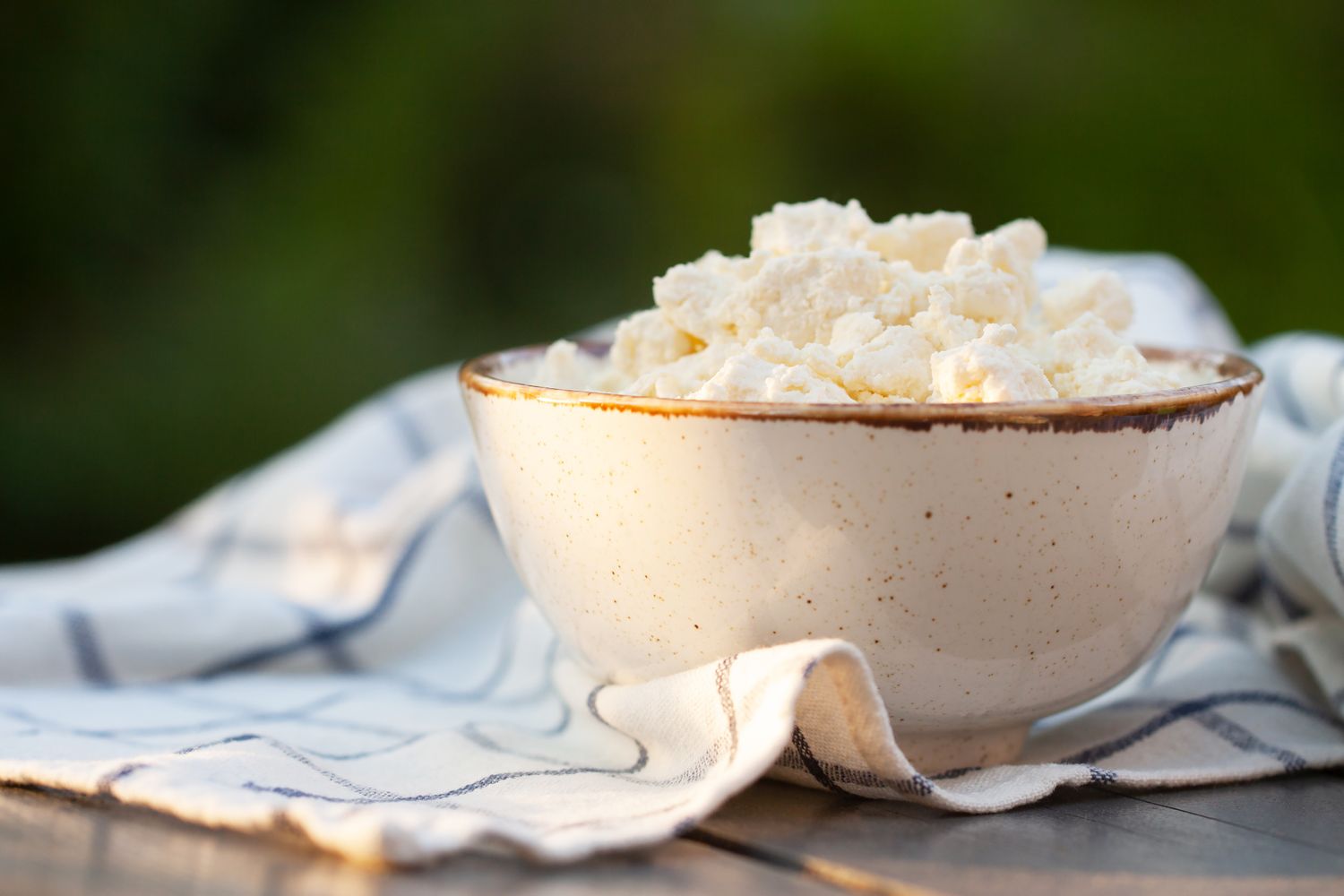
| Cottage Cheese | 1/2 cup (113 g) | 12.5 g / 25% DV |
| Beef Jerky | 1 oz (28 g) | 9.4 g / 19% DV |
| Peanut Butter | 2 tbsp (32 g) | 7.1 g / 14% DV |
| Cheese | 1 oz (28 g) | 6.5 g / 13% DV |
| Hard-Boiled Egg | 1 large (50 g) | 6.3 g / 13% DV |
| Almonds | 1 oz (28 g) | 6 g / 12% DV |
| Oatmeal | 1 cup cooked (234 g) | 5.6 g / 11% DV |
| Pumpkin Seeds | 1 oz (28 g) | 5.3 g / 11% DV |
| Trail Mix | 1/4 cup (38 g) | 5.2 g / 10% DV |
| Roasted Chickpeas | 1/4 cup (41 g) | 3.6 g / 7% DV |
How Much Protein Do You Need?
In general, 10-35% of your total daily calories ideally would come from protein. So, a 2,000-calorie-per-day diet would supply 50 to 175 grams of protein.
However, protein needs should be individualized. The amount of protein you need per day may depend on factors such as your:
To ensure you’re getting enough protein:
- Include protein with every meal or snack.
- Consider non-animal protein sources (beans, lentils, nuts, seeds, etc.)
- Use nuts, seeds, and other protein sources as garnishes.
- Add protein powder, nut butter, or other protein sources to smoothies.
- Remember that whole grains contain protein.
Why Is Protein Important?
Proteins are one of three macronutrients that you need in large amounts every day.
Proteins are complex molecules that are made up of long chains of amino acids. There are many different types of proteins in your body, all of which play vital roles, including the following:
- Providing structural support for cells. Specific proteins have structural functions in your body, including within cells. Collagen, a highly abundant protein, provides structure and strength to skin, bones, cartilage, and tendons.
- Building and repairing cells, tissues, and DNA. Specialty proteins are responsible for making and repairing deoxyribonucleic acid (DNA), which contains your genetic code. Proteins and amino acids are also key to building and repairing muscles.
- Acting as chemical messengers. Hormones are types of proteins that send signals to other hormones and cells throughout the body, enabling them to perform essential functions.
- Assisting in chemical reactions. Enzymes are another type of protein. Enzymes start and speed up chemical reactions in your body, making it easier for these reactions to occur.
- Regulating your appetite. Dietary protein suppresses ghrelin, a hormone that increases appetite. Including protein with meals and snacks may help you feel full longer between meals.
- Aiding in growth and development. Protein is crucial for the growth and development of children and adolescents, as it builds tissues, muscles, and cells, and plays a vital role in the production and release of hormones.
- Supporting your immune system. Your immune system contains many antibodies, which are proteins that provide defense against illness and infection.
- Providing a source of energy. When carbohydrates and fats are scarce, your body can use proteins to generate energy. When necessary, your body breaks down proteins into amino acids that can be used to make adenosine triphosphate (ATP).
:max_bytes(150000):strip_icc()/Lubeck-headshot-0579405875e54490895f690b1b864e04.jpeg)