

:max_bytes(150000):strip_icc():format(jpeg)/erythromelalgia-overview-45827351-5c7028fb46e0fb0001f87c9e.png)
Key Takeaways
- Erythromelalgia causes burning pain, redness, and skin warmth in the hands and feet.
- The symptoms can be triggered by heat, exercise, or standing too long.
- Some people with certain genetic mutations or autoimmune diseases are at higher risk.
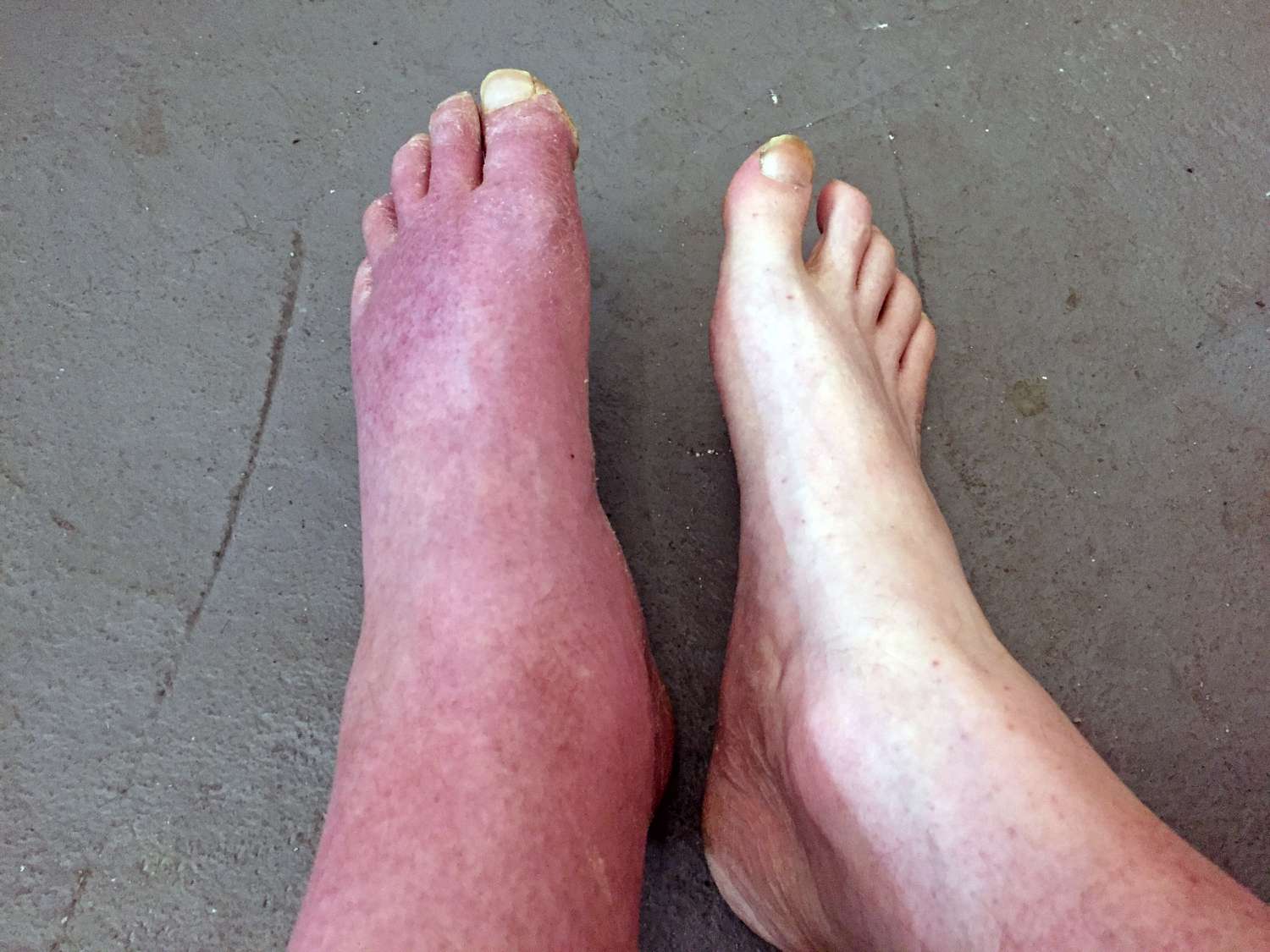
Erythromelalgia (EM) is a rare condition affecting the feet and sometimes the hands. It causes episodic or continuous intense burning pain, severe redness, and skin warmth. The condition is not fatal, but it can cause severe discomfort that affects the quality of life and can sometimes be disabling.
The word erythromelalgia comes from three Greek words: “erythros,” which means redness; “melos,” meaning limb; and “algia,” meaning pain. The condition was formerly known as Mitchell’s disease after American physician and writer Silas Weir Mitchell.
It’s estimated that EM affects an estimated 0.36 to 1.3 out of 100,000 people per year. It affects more women than it does men, and it’s more common among smokers.
Verywell / JR Bee
Erthyromelalgia Symptoms
Erythromelalgia (EM) is traditionally categorized as primary or secondary, though this classification is debated due to the unclear relationship between EM and other frequently associated disorders or risk factors.
Common symptoms of EM include swelling, tenderness, deep aching pain, radiating sensations, and intense burning in the hands and feet. The feet are typically more affected, but symptoms can also occur in the hands, face, and ears.
Primary Erythromelalgia
Primary EM can be idiopathic (without a known cause) and it is sometimes associated with certain genes. Primary EM is more common in children—especially in the first decade of life—but anyone of any age can be affected. For some young people, symptoms may start during puberty.
In primary EM, the most common symptoms are burning pain, redness, and warmth, which can be debilitating. The pain typically affects both sides of the body—for example, both hands—is sporadic and severe, and often impacts the feet more than the hands.
Primary EM pain attacks start with itchiness and will progress to severe burning pain. These pain attacks can last for minutes, hours, or even days.
Attacks tend to be worse with warmer weather and at night and can be triggered by heat, sweating, exercise, or sitting or standing for too long. In some cases, the feet can develop ulcers (sores) and gangrenes (dead tissue).
Secondary Erythromelalgia
Secondary EM is linked to other diseases or conditions, particularly autoimmune diseases and myeloproliferative disorders, which are diseases of the blood and bone marrow. It is more common in adults and usually begins in middle age
The symptoms of secondary EM occur when a person is experiencing symptoms of the underlying associated condition. Symptoms of secondary EM will present gradually and will worsen in a short time. Burning pain, redness, and warmth are the most common symptoms.
What Causes Erythromelalgia?
It’s not always clear why some people develop EM, but there are specific risk factors associated with both primary and secondary EM.
The condition is believed to be caused by vascular and autonomic dysfunction. This means that the autonomic nervous system, which controls the function of many of the body’s involuntary actions (such as the muscles inside blood vessels), is not working properly to regulate the blood vessels In the affected hands or feet.
Age and Genetics
Primary EM is more common in children and teenagers, while secondary EM is more common in adults. SCN9A is a genetic mutation affecting up to 15% of people with EM. Genetic mutations are inherited, but they can also occur sporadically (without being inherited).
Associated Diseases
People with autoimmune diseases, such as diabetes, lupus, Sjögren’s syndrome, or vascular disorders, are believed to have a higher risk of EM. Other health conditions may trigger it, including myeloproliferative diseases. Some neurological diseases increase risk, including multiple sclerosis.
Other Health Factors
Heavy metal poisoning is linked to EM and is likely due to toxic levels of substances like mercury and arsenic entering the body’s soft tissues. Causes of heavy metal poisoning include industrial exposure, pollution, and contaminated foods, medicines, or other sources.
Some medications, including ergot derivatives, have been linked to EM. Ergot derivatives are sometimes prescribed to treat severe headaches, including migraines.
Diet has also been linked to EM. Spicy foods and overconsumption of alcohol, for example, are commonly reported triggers for EM flares.
Nerve damage from other conditions, including sciatica and frostbite, are risk factors, as well as peripheral neuropathy, including diabetic neuropathy. Neuropathy is the result of damage to peripheral nerves—nerves located outside the brain and spinal cord. Neuropathy causes weakness, numbness, and pain in the hands and feet.
Aside from genetics, many causes and risk factors are speculative, and researchers believe that in the majority of people, the cause of EM is unknown.
Diagnosis
There is no definitive testing for EM. This condition has been traditionally diagnosed based on the symptoms and by ruling out other possible causes.
Tests may be done to rule out other conditions, including blood work and imaging. Children with symptoms of primary EM and a family history of the disease may also be tested for genetic evidence of the SCN9A mutation.
Currently, gene sequencing has become the gold standard for the diagnosis of erythromelalgia. But some people who have the condition do not have the associated gene abnormalities.
Erythromelalgia Treatment
Treatment options should follow a stepwise approach that begins with nonpharmacological measures, followed by topical medicines, oral medications, pain rehabilitation programs, and, in extreme cases, surgery. It may take some time to find a treatment plan that works.
There is no single treatment for EM, and there is also no cure. In secondary EM, treating the underlying condition may bring about relief. Most of the time, however, EM cannot be fully treated. In these situations, symptom relief is the goal.
Common treatments used to control EM symptoms:
- Aspirin
- Carbamazepine
- Gabapentin
- Sodium nitroprusside
- Nitroglycerin
- Antihistamines
- Sodium ion channel blockers
- Prostaglandins
These medications can be used in combination as needed. Other less commonly used treatments have provided relief, such as itraconazole, an antifungal.
Cooling the affected areas with cold packs and elevating flaring feet can help with coping.
Therapies such as biofeedback and cognitive behavioral therapy may work for some people.
Procedures
Nerve blocks are among the treatments that are sometimes used. In some cases, repeat nerve blocks may be needed, but the condition can resolve after just one treatment.
Surgery is considered when no other treatments provide relief. A surgical procedure, called a sympathectomy, cuts nerve endings that transmit pain signals to the hands and feet. There are serious risks associated with this surgery, including bleeding, infection, and nerve damage. Doctors will consider sympathectomy only when a person’s quality of life is significantly affected by EM.