

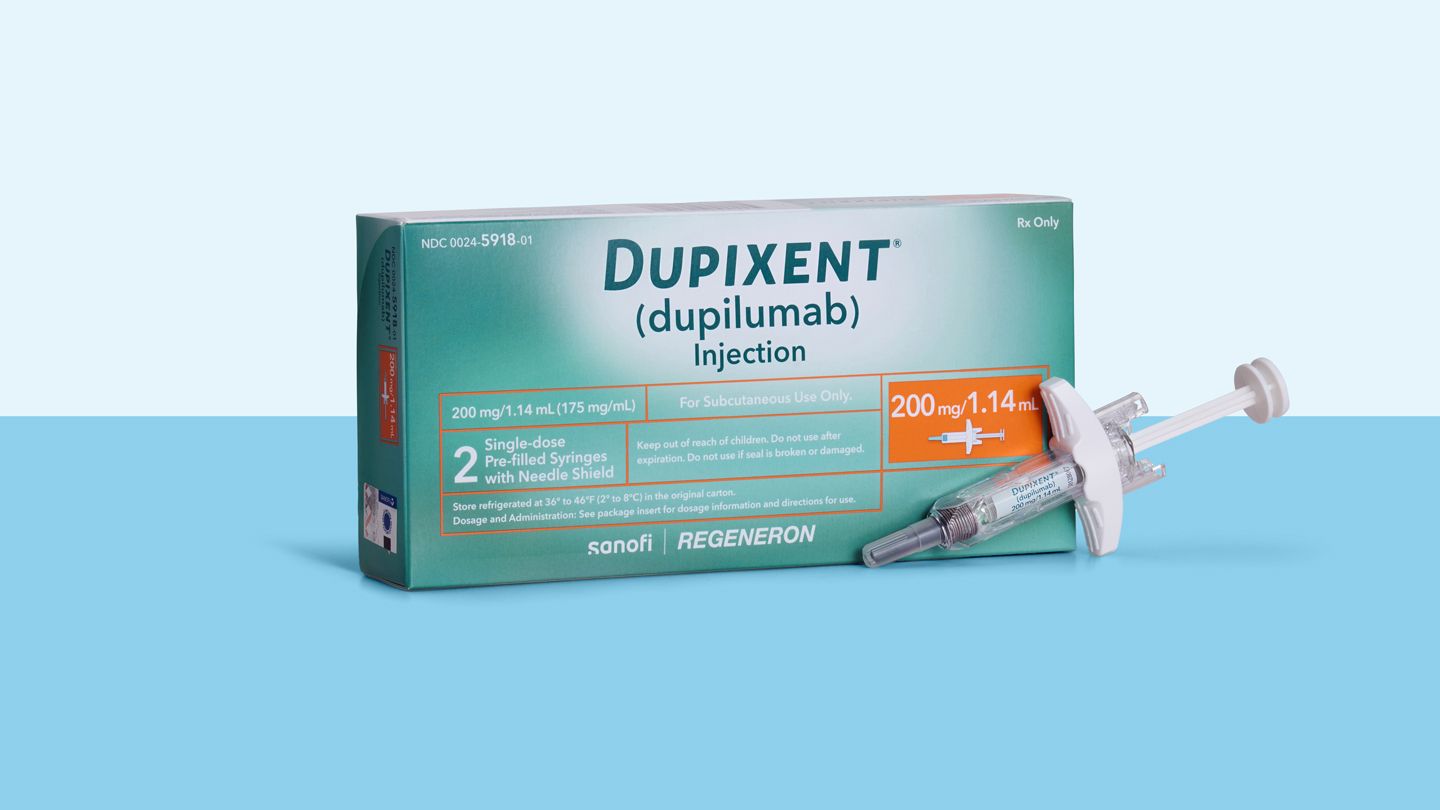
There is a new medication option for people with allergic fungal rhinosinusitis, a condition caused by hypersensitivity to fungi that can cause chronic sinus infections and disrupt daily living.
The FDA had already approved Dupixent for chronic rhinosinusitis with nasal polyps, a less severe form of the condition. The medication is widely used to treat a range of health conditions, from atopic dermatitis (eczema) to the lung disease COPD.
A mainstay of allergic fungal rhinosinusitis treatment is surgery to remove polyps — but because these growths can grow back, many people require repeat operations.
“Dupilumab might not completely eliminate the need for surgery in all patients, but it could potentially help avoid the need for repeat surgeries, reduce severity of disease, and reduce the rates of recurrence after surgeries,” says Tanya Laidlaw, MD, an associate professor at Harvard Medical School and director of translational research in allergy at Brigham and Women’s Hospital in Boston.
What Is Allergic Fungal Rhinosinusitis?
When people allergic to fungi are constantly exposed, they can develop chronic sinus infections that cause symptoms including:
- Nasal polyps (noncancerous growths)
- Nasal congestion
- Loss of smell
- Thick mucus discharge
- Poor health-related quality of life
In severe cases, people can develop bone loss around the sinus cavities and facial deformities.
Having Dupixent as an additional treatment option will be particularly beneficial for people who have already undergone multiple surgeries or who have frequently used steroids and still have symptoms, Dr. Laidlaw says.
Dupixent Reduced Symptom Severity by 50 Percent
After 52 weeks, people on Dupixent experienced:
- 50 percent reduction in sinus symptom severity based on CT scans, compared with a 10 percent improvement in the placebo group
- 81 percent reduction in nasal congestion and obstruction, compared with 11 percent with the placebo
- 63 percent reduction in the size of nasal polyps, compared with 4 percent with the placebo
Side Effects With Dupixent
- COVID-19 (15 percent Dupixent, 14 percent placebo)
- Nosebleed (12 percent Dupixent, 4 percent placebo)
Side effects led 3 percent of participants to stop taking Dupixent, compared with 4 percent receiving a placebo.
- Injection site reactions
- Eye problems including eye and eyelid inflammation, redness, swelling, itching, eye infection, and blurred vision
Other common side effects of Dupixent for people with chronic rhinosinusitis include elevated levels of certain white blood cells, upset stomach, joint pain, insomnia, and toothache.
How Dupixent Works for Allergic Fungal Rhinosinusitis
Dupixent eases allergic fungal rhinosinusitis by calming activity in the immune system that causes inflammation in response to fungi exposure, says Amin Javer, MD, a clinical professor of surgery at the University of British Columbia and director of St. Paul’s Sinus Centre in Vancouver, Canada.
“It therefore stops the sinuses from responding to the fungi in the environment,” Dr. Javer says.
But there’s a limit to what Dupixent can do, Javer adds. “Surgery still remains a first step at this stage, to get the already-present fungal load out of the sinuses before starting the Dupixent,” Javer says. “It is unlikely to eliminate the need for surgery, as the presenting patients have very high fungal loads impacted in the sinuses and skull base that need to be removed to allow aeration and recovery of the sinus cavities.”
People Will Likely Need to Take Dupixent Indefinitely
Because so much of the Dupixent research to date has focused broadly on chronic rhinosinusitis rather than the smaller subset of patients with allergic fungal sinusitis, it’s not yet clear exactly how well it will work for this subset of individuals, Laidlaw says.
“For now, it seems as though Dupixent is unlikely to be a cure, but rather a treatment that modifies the disease and controls symptoms while patients are on it,” Laidlaw says.
“It is not yet known whether the symptoms of disease would return for patients with AFRS if they stopped the dupilumab after several years of use,” she adds. “Therefore the expectation is that dupilumab would be a long-term treatment.”
How Much Will Dupixent Cost?
Dupixent can cost several thousand dollars a month without insurance, Laidlaw says. FDA approval may lead insurers to cover Dupixent specifically for allergic fungal rhinosinusitis, but the exact out-of-pocket cost would vary.
Due to the high cost, it’s possible that Dupixent might be reserved only for allergic fungal rhinosinusitis patients who don’t achieve symptom relief after having surgery and taking corticosteroids, Javer says. Many patients fall in this category, however.
“There is a significant recurrence and failure rate with these patients, often requiring very close follow up and repeat surgeries,” Javer says. “The failure is due to patients continuing to be exposed to fungi in their environment, which is a constant stimulant for sinus inflammation.”