

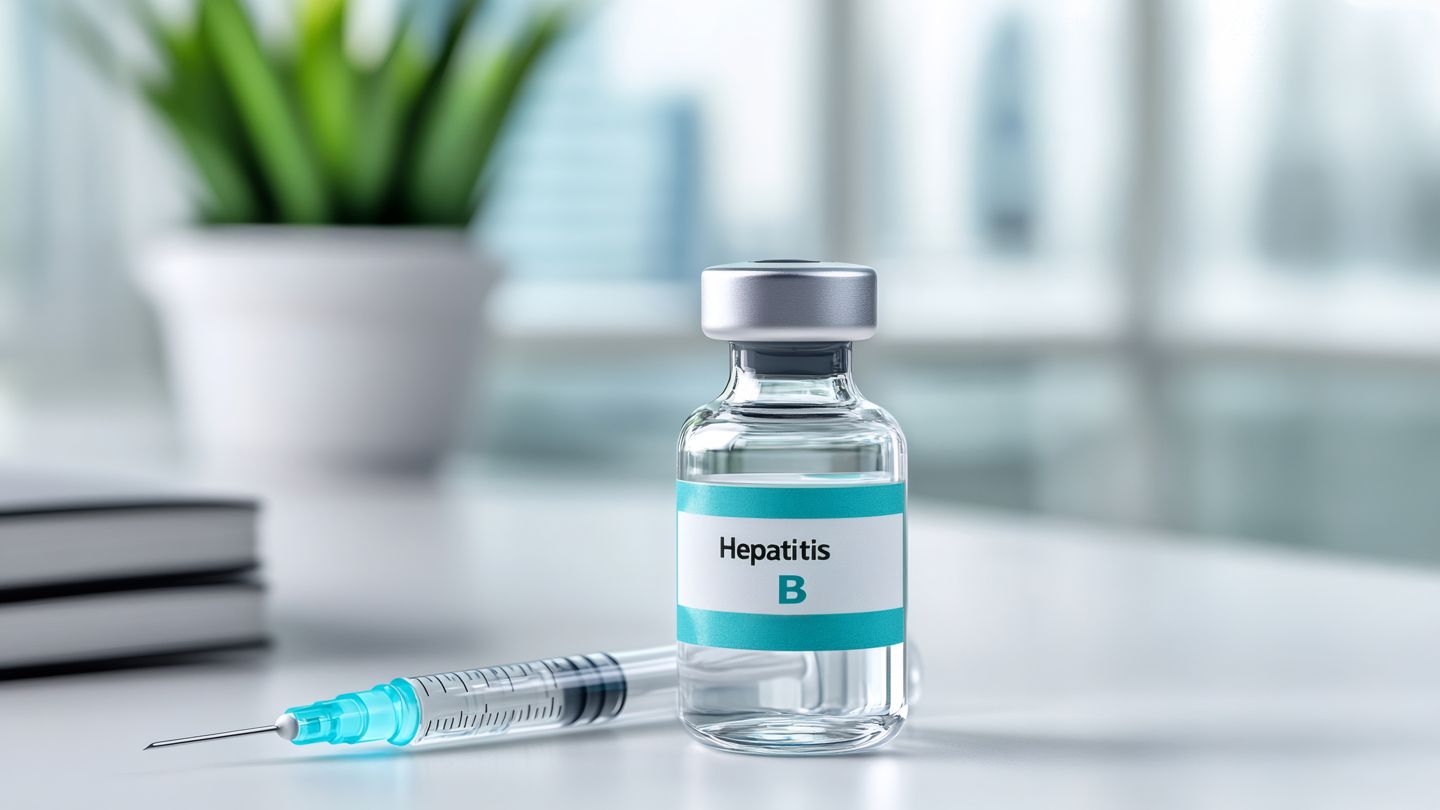
The Advisory Committee on Immunization Practices (ACIP) — a panel that shapes policy around vaccinations on behalf of the Centers for Disease Control and Prevention (CDC) — voted today to reverse a long-standing recommendation for infants to receive a dose of the hepatitis B vaccine within the first 24 hours after birth.
Instead, the panel agreed to recommend individual-based decision-making for families who are considering giving their infant the hepatitis B shot at birth when the mother has tested negative for the virus. The panel also suggested that for infants who don’t receive the birth dose, healthcare providers delay administering an initial dose until at least the two-month mark.
While ACIP’s recommendations are not final until approved by the CDC’s current director, the agency typically uses the committee’s decision in creating its broader vaccination guidance, which helps frame what physicians recommend to patients along with states’ vaccine policy and insurance coverage.
Reversing the Guidelines: Why the Change?
During the voting session, panel members in support of the recommendation change offered questions about the safety of giving the hepatitis B vaccine to all newborns, citing concerns about health risks potentially linked to the vaccine, such as a theoretical increased risk of autoimmune diseases.
Experts at major medical organizations have said that any evidence behind these risk claims is limited and outweighed by strong evidence that the so-called birth dose plays a crucial role in preventing a serious infection that can lead to liver disease and early death.
Decades of surveillance data and research — including a recent independent evidence review — have supported the safety, efficacy, and public health impact of the universal hepatitis B vaccine recommendation at birth.
Landmark randomized placebo-controlled clinical trials have demonstrated the vaccine’s long-term protection against illness from an acute (short-lived) or chronic (long-lasting) hepatitis B infection.
“Let me be very clear about this: Delaying the birth dose would leave newborns unprotected during a critical window in their lives,” said José R. Romero, MD, a member of the American Academy of Pediatrics Committee on Infectious Diseases and a former ACIP chair, in a press briefing on Thursday. “Children will die preventable deaths without timely access to the hepatitis B vaccine. The hepatitis B vaccine is one of the most important tools we have for protecting newborns in the first 24 hours of life.”
What Is Hepatitis B and Why Are Newborns at Risk?
Hepatitis B is a highly contagious virus that can be transmitted through exposure to blood, semen, and other bodily fluids.
A mother who has hepatitis B can easily pass the virus to an infant during birth. Babies can also get hepatitis B through casual contact with a caregiver or from contaminated surfaces.
Before 1991, the CDC recommended the newborn hepatitis B vaccine only for babies whose mothers tested positive for hepatitis B. That was an imperfect approach because roughly 1 in 5 U.S. women who give birth have not been tested for hepatitis B.
Since 1991, the CDC has recommended all newborns get a dose of the hepatitis B vaccine at birth; since then, some data has suggested that chronic hepatitis B infections in children and adolescents have plummeted by 99 percent. CDC data indicates that before the 1991 recommendation, an estimated 20,000 babies born in the United States annually contracted the hepatitis B virus; in 2022, that number had dropped to fewer than 20 perinatal hepatitis B cases reported to the CDC.
How Might a New Recommendation Impact Overall Newborn Health?
Removing the universal birth dose recommendation, experts have noted, would increase infants’ risk of hepatitis B infection during the critical first 24 hours of life, which in turn increases the lifetime risk of chronic liver disease, cirrhosis, and liver cancer.
“We see that 90 percent of newborns who are infected at birth will develop chronic hepatitis B infection, and 25 percent of those with chronic infection will die prematurely from chronic liver disease, including cirrhosis and liver cancer,” said Angela Ulrich, MD, MPH, a researcher and an assistant professor at the Center for Infectious Disease Research and Policy (CIDRAP) at the University of Minnesota, during a media briefing on Thursday. “Delaying the birth dose will increase preventable hepatitis B infection, reverse decades of public health progress, and expose more children to a virus that can cause lifelong disease and premature death.”
What Should Parents Know About the Panel’s New Recommendation?
Though parents may still opt for their newborn to receive a hepatitis B vaccine birth dose in consultation with their healthcare provider even if the mother has not tested positive for hepatitis B during pregnancy, experts note that confusion about the recommendation — and about whether insurance will cover the vaccination without an ACIP recommendation — may ensue.
In addition, while the hepatitis B birth dose vaccine will still be available, the panel’s recommended change will likely have implications for the rest of the childhood vaccination schedule, Dr. Romero noted.
“The second and third doses of hepatitis B vaccine are typically given as part of a combination vaccine and that also provides protection against diphtheria, tetanus, pertussis, Haemophilus influenzae type B, and polio,” he explained. “Without the first dose, the birth dose, outpatient practices would face logistical and administrative challenges such as needing to order alternate vaccine products, and to ensure that the child has access to all the vaccines and change the scheduling.”
Noting that previous ACIP meetings have involved an extensive review of recent scientific evidence, a former CDC director urged the public to consider available data in vaccination decision-making during a press briefing on Thursday.
“Your doctors on the ground, your pharmacists, your medical societies, your hospitals, your urgent care centers are all continuing to use that [previous CDC] data and evidence to make recommendations to keep you and your families and our communities healthy,” said Rochelle Walensky, MD, MPH, a senior fellow at the Harvard Kennedy School of Government and the director of the CDC under President Biden, said in a press briefing Thursday. “I would really encourage you to look there as you make really personal decisions for how you approach vaccines in your own family.”