

:max_bytes(150000):strip_icc():format(jpeg)/Aluminum-pan-alternatives-58e241832b404ca6b5c762194f0accce.jpg)
- Aluminum cookware and bakeware can react with acidic foods, causing a metallic taste and potential leaching.
- We spoke to Stephanie Smith, consumer food safety specialist and associate professor at Washington State, to understand why this happens and what solutions she recommends.
- Smith shared that parchment paper, stainless steel cookware, stoneware bakeware and more are great solutions.
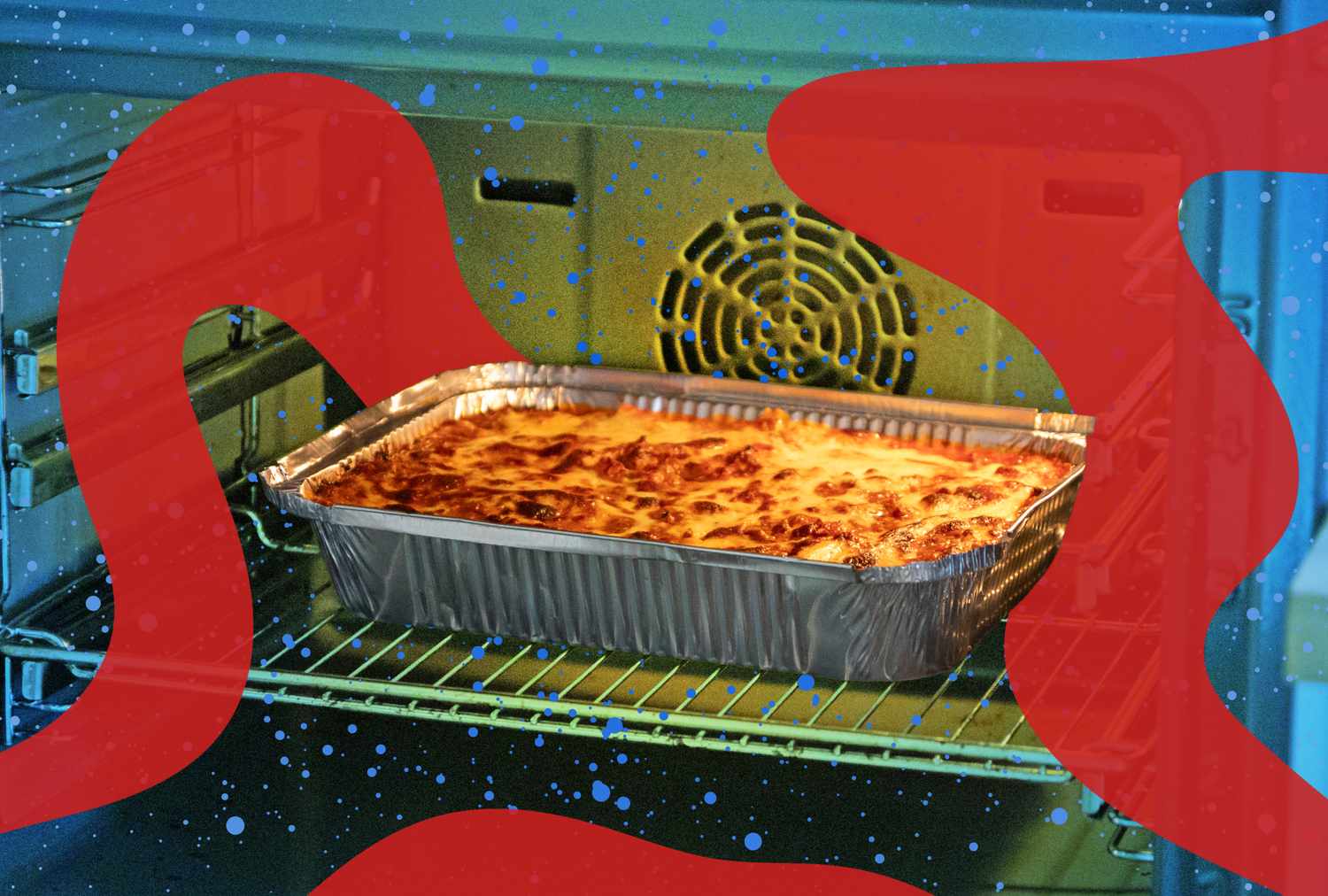
You just spent hours preparing a stunning, crusty baked lasagna, only for it to have a slight metallic taste—likely not an ingredient on your prep list. Aluminum pans, whether the disposable ones you buy at the grocery store or your sturdy baking sheets, can react with acidic ingredients like the tomatoes in your lasagna, resulting in an unpleasant taste.
Best Solutions to Avoid Reaction Between Acidic Foods and Aluminum Pans
We spoke to Stephanie Smith, consumer food safety specialist and associate professor at Washington State earlier this month to gauge which ingredients we should be mindful of with our aluminum pans. Smith says many fruits, berries, wine, vinegar and tomatoes are all worthy of precautionary measures because of their lower pH levels (which contain higher levels of hydrogen), which, when combined with aluminum, can create a reaction between the metal and hydrogen. “We ingest aluminum every day through our food, water, dust, soil, antiperspirants, and many medicines. For most people, exposure to aluminum is not harmful because our bodies rapidly eliminate it. However, people with kidney disease may accumulate aluminum in their bodies, leading to high aluminum levels,” Smith says.
“Cooking with aluminum foil, pots and pans is generally safe. However, some acidic foods may allow for aluminum to leach into food. Individuals concerned about their exposure to aluminum should avoid cooking acidic foods in aluminum cookware.”
If you’re not sure whether your pan is aluminum, Smith recommends “checking the bottom of the pan to see whether the manufacturer has identified the materials it is made from. Aluminum pans are generally much lighter than those made from other materials, such as stainless steel, so if the pan feels heavy, it is probably not aluminum.” You could also try holding a magnet up to the pan to see if it sticks—aluminum isn’t magnetic, so it won’t. “Some other metals are also not magnetic, so this isn’t always an accurate test, but it does serve as a good indicator.”
If you want to take some precautionary measures, Smith has plenty of solutions. “There are many other options, such as stainless steel, ceramic, and glass bakeware and cookware. Additionally, silicone liners and parchment paper can be used as barriers when baking in aluminum.” See our favorite solutions below.
Smartake Parchment Paper Baking Sheets
Amazon
Smith mentions that parchment paper is a good barrier option if you want to continue using your aluminum pans. The only thing that could get in the way is simply remembering to do it! That’s what makes products like these Smartake sheets so genius. They’re pre-cut (the brand offers a variety of sizes) and ready to go right onto your pan for seamless meal prep, which means you no longer need to fight your parchment roll just to grab a sheet that’s way too small.
Silpat Premium Nonstick Silicone Baking Mat
Amazon
A silicone baking mat is another great choice to interrupt the chemical reaction, though I recommend it most for sticky, sugary foods. I find they can inhibit browning, increasing bake times or changing results. While this sounds like a negative, this aspect actually makes it an excellent kitchen tool so long as you know what it’s good and not good for, and one that I used to use in professional kitchens often. If you want to cook something delicately, like slow braised, jammy tomatoes or oven-dried pineapple, this will be an excellent choice because it’ll keep unwanted browning at bay.
Le Creuset Stoneware Rectangular Baking Dishes, Set of 3
Amazon
Instead of a tinned pan from the grocery store that you’ll end up throwing away, invest in good quality stoneware baking dishes. This Le Creuset set provides nice value—you get three pans for $46 each. You won’t need to worry about acid reacting with the stoneware material, so you can use these pans mindlessly for any dish you have planned.
Staub Ceramic Rectangular Baking Dishes, Set of 2
Amazon
I love my Staub ceramic bakeware. They’re similar to Le Creuset’s but typically come at a slightly lower price. They work beautifully—the only downside, in my opinion, is that they come in less exciting colors. Still, I’ve used them to make both sweet and savory dishes (like saucy eggplant parmesan or apple-laden cakes) and love the way they bake, bubble and brown everything gently, but effectively.
Caraway Nonstick Ceramic Baking Sheet
Amazon
This is a great option if you just want to reach for a standard sheet pan, plop your ingredients right onto it and set it and forget it in the oven. Caraway’s ceramic baking sheet has a sleek nonstick coating that makes cleanup a breeze, even if you’re roasting clingy ingredients like skin-on potatoes or breaded tofu.
Misen Stainless Steel Roasting Pan
Amazon
Surprisingly, this stainless steel pan crafted the crispiest chicken during our tests. Though called a roasting pan, this is more of a sheet pan, and its sturdy, built-in handles make maneuvering it from the counter to the oven easier.
Emile Henry Rectangular Stoneware Baking Dish
Amazon
This is another one of my go-to ceramic baking dish brands, thanks to its high-quality stoneware material, generous sizes, and stunning look. I love this particular 9-by-13-inch pan because it is incredibly deep, making it ideal for casseroles, lasagna, larger baked goods like cinnamon rolls and more. It heats and bakes beautifully, and I’ve never once noticed any wear and tear after years of owning it.