

Key Takeaways
- Taking a warm bath and using a cool compress can help manage genital herpes symptoms.
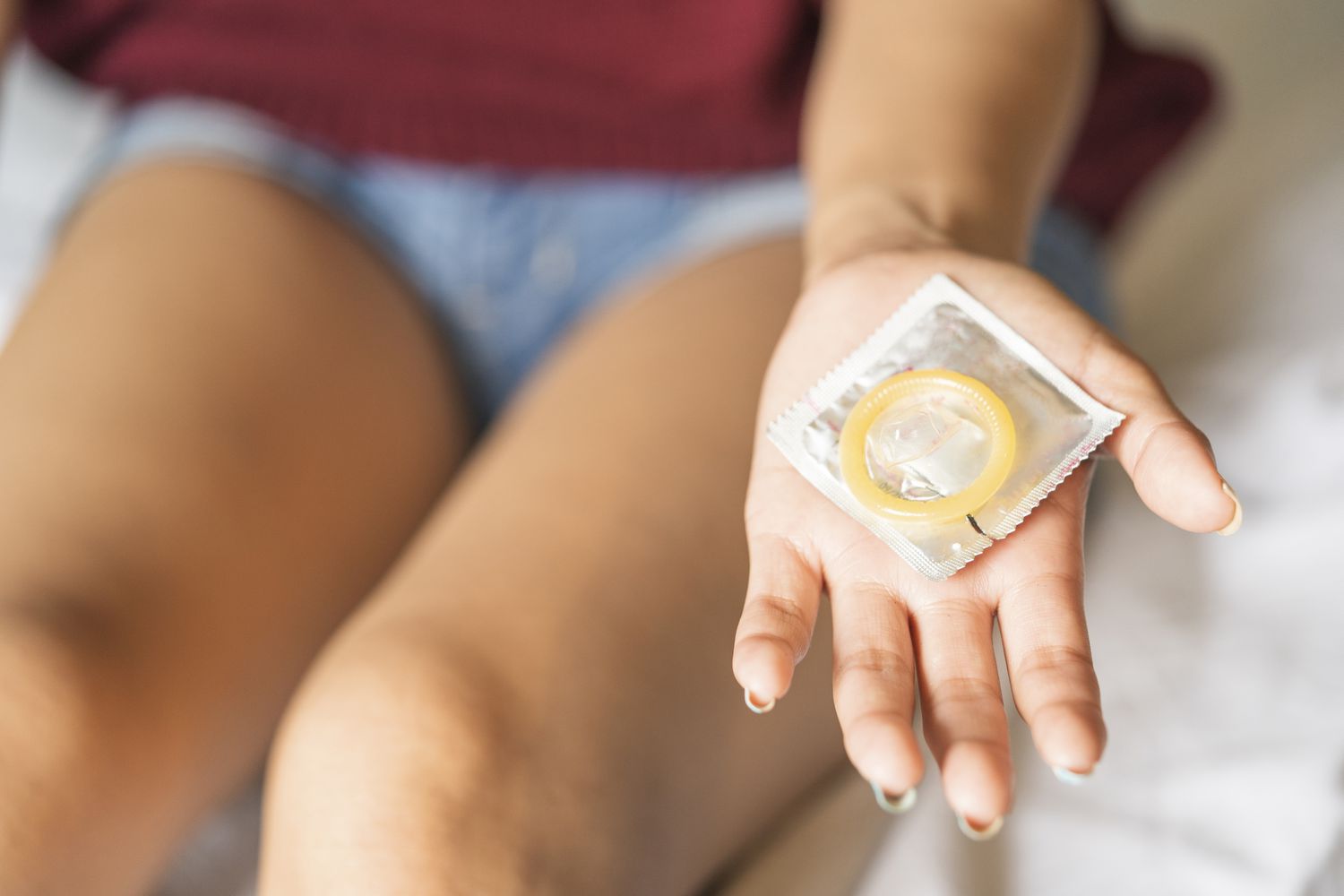
- Practicing safer sex, like wearing a condom, helps prevent spreading genital herpes.
- Antiviral medications like Acyclovir reduce symptoms and outbreaks of genital herpes.
Genital herpes is a sexually transmitted infection (STI) that causes painful fluid-filled bumps to form in the genital area. It is incredibly common, and roughly 12.1% of the United States population aged 14-49 has HSV-2, the virus that causes genital herpes. Once a person contracts the herpes simplex 2 virus (HSV-2), it stays in the body for life.
After a person becomes infected, they will experience periods with no symptoms and periods with symptoms (outbreaks) throughout their lifetime. Some people may not have recurrent symptoms or outbreaks. Genital herpes is incurable, but there are many treatment options available to help manage outbreaks.
Thianchai Sitthikongsak / Getty Images
Genital Herpes Treatment
After a genital herpes diagnosis, several treatment options are available:
Home Remedies
Home remedies aim to alleviate symptoms during a genital herpes outbreak, though they do not treat the outbreak itself. Some options include:
- Taking a warm bath
- Taking extra care when washing the sores and use fragrance-free soaps
- Using over-the-counter pain relievers such as Tylenol (acetaminophen), Advil (ibuprofen), or Aspirin as a way to combat pain
- Using a cool compress on the sores a few times a day
- Wearing loose-fitting underwear and pants during outbreaks to avoid further irritation
How Often Do Herpes Outbreaks Occur?
Outbreak frequency varies greatly from person to person. The average number of outbreaks for a person with the HSV-2 virus is four to five per year, while the average for HSV-1 is less than one outbreak per year. Usually, outbreaks are more common during the first year and become less frequent over time.
Lifestyle Changes
Certain lifestyle factors play into contracting herpes, and they can also be used to help manage the disease. One of the most important lifestyle changes to implement is practicing safer sex.
You can still be sexually active as long as you take the proper precautions, such as wearing a condom during sexual activities and avoiding sexual contact during an outbreak. Even though a person may not have symptoms, they can still spread genital herpes.
Your diet may also play a role in outbreaks. Eating a healthy diet full of whole foods is a good way to reduce the frequency of genital herpes symptoms.
Foods such as whole grains, fruits and vegetables, and lean protein sources are thought to boost the immune system, which may contribute to a reduced frequency of outbreaks.
Lifestyle Triggers and Herpes Outbreaks
Certain stressors in life can make herpes outbreaks more likely to occur or even bring on an outbreak. These include:
- Fatigue
- Irritation to the genital area
- Injuries
- Emotional or physical stress
- Menstruation
Supplements
Certain supplements may help lessen the frequency of genital herpes symptoms. L-lysine, an amino acid important for building protein, is one such option. Research suggests that high doses, over 3 grams daily, may reduce symptom frequency.
Zinc can either reduce the number of outbreaks a person experiences or help with symptoms during an outbreak.
How Long Do Herpes Outbreaks Last?
The first time a person experiences a herpes outbreak, it can last anywhere from two to four weeks. However, when symptoms do appear again after that first outbreak has cleared, they typically only last between three to seven days.
Medications
Antiviral medications are the first-choice form of treatment for people with genital herpes. They are used to reduce symptoms as well as the duration and frequency of outbreaks.
The primary antiviral medication for treating genital herpes is Acyclovir. It is usually taken orally, but in milder cases, it can be applied to the skin as a cream or lotion. Other antiviral options include valacyclovir and famciclovir.
The type you are given will depend on your specific case in terms of how severe it is and how well you tolerate the medication.
How Long Do I Have to Take Medication For?
There are two ways you can take medication for genital herpes. One is every day to prevent outbreaks and/or transmission to your partner and the other is only during the course of an outbreak. The choice will be yours when you begin treatment.
What Not to Do If You Have Herpes
You should avoid doing certain things when you have genital herpes because they can make managing it that much more difficult. Things to avoid include:
- Bandaging the sores
- Picking at the sores
- Using lotions on the area that have not been approved by your healthcare provider
- Engaging in any kind of sexual contact during an outbreak
- Sharing drinks or utensils during an outbreak
- Touching your face, eyes, or other areas of the body after touching sores as the infection can spread
While treating herpes can help reduce or limit outbreaks and your ability to transmit the virus to others, it will not completely reduce your risk of passing it to others. That is why, even during your chosen treatment, you should do everything you can to limit the spread to others by:
- Avoiding sexual contact when you have an outbreak
- Always wearing condoms
- Avoiding sharing drinks, food, or anything else that can pass saliva with others during non-sexual contact
- Be honest with your partner(s) about your herpes status prior to engaging in sexual activity
:max_bytes(150000):strip_icc()/VerywellBioPicAngelicaBottaro-203f7e803ab444b2b5c13b4252d11159.JPG)