Many diets become popular thanks to celebrity endorsements — think Kanye West on paleo, or Jennifer Aniston doing intermittent fasting — or because of commercial success, as with WW and the South Beach Diet . But others, like the gluten-free diet, have entered the mainstream, in part, from a legitimate medical need. A diet without gluten is used to help alleviate symptoms of celiac disease , an autoimmune condition that affects nutrient absorption and prevents the digestion of gluten.e60dc2a1-f33c-4a05-9b50-8e3e8e59762903ef3cf7-c547-4b09-a8b0-92e3618af034 But many people go gluten-free despite not having celiac disease or other similar health conditions that necessitate eliminating gluten. People who follow a gluten-free diet for nonmedical reasons may be seeking weight loss, better focus, increased energy, or a less-bloated belly, all potential benefits touted commonly by wellness influencers. There’s no question that the gluten-free diet has become popular for nonmedical reasons. Indeed, the number of people on the gluten-free diet who do not have celiac disease is almost double the number of people diagnosed with celiac disease. Research shows about 2.7 million people in the United States follow a gluten-free diet without having celiac.e60dc2a1-f33c-4a05-9b50-8e3e8e597629942a1fd0-f499-4d7d-af93-1921a7ad4464 The demand for gluten-free foods in the United States is also significant, with sales of gluten-free products totaling more than $15.5 billion in 2016.e60dc2a1-f33c-4a05-9b50-8e3e8e5976296aea1a9d-4bcf-451f-8ffa-a79b11151858 That number is expected to reach more than $17 billion by 2027.e60dc2a1-f33c-4a05-9b50-8e3e8e5976290bbc9ca0-2065-48df-a680-202ea349729c If you don’t have a medical need to eliminate gluten, is this diet beneficial for you?
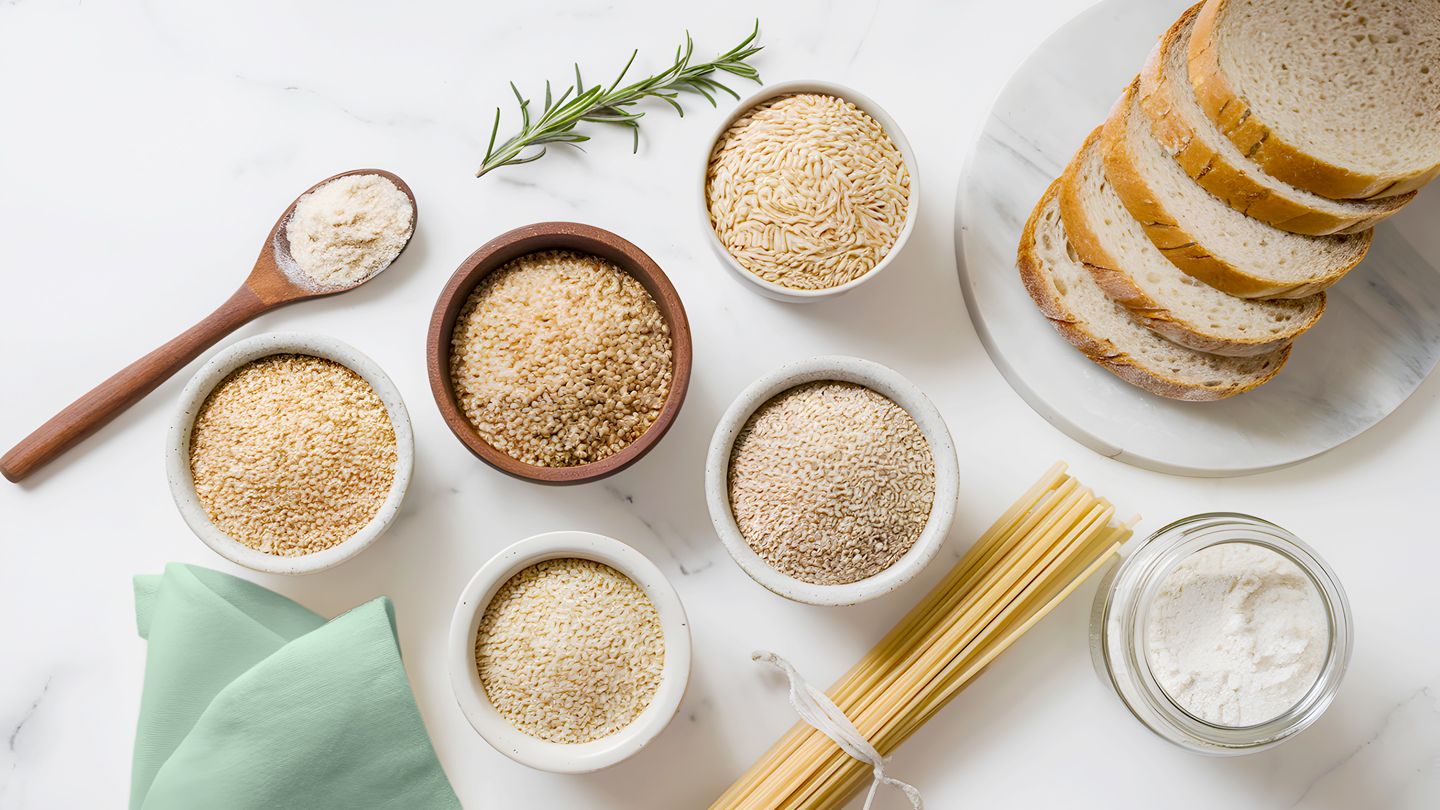
What Is Gluten? Gluten First things first: Gluten is a protein. Mary Ellen Phipps, MPH, RDN , owner of Milk and Honey Nutrition in Houston, says gluten is found in wheat, including spelt, kamut, farro, durum, bulgur, and semolina; barley; rye; and triticale. Oats are naturally gluten-free, but they may also be cross-contaminated with gluten if they were processed in a facility with gluten-containing foods.e60dc2a1-f33c-4a05-9b50-8e3e8e59762966ec6dac-fc4a-42f3-b2e4-5ed9ea6f8d7f Most beers, certain condiments, and other processed foods may also contain gluten byproducts.e60dc2a1-f33c-4a05-9b50-8e3e8e5976299ee65c92-2f5e-4fae-b900-f6f3eecf059b While whole grains are healthy, they can cause uncomfortable symptoms, including bloating and fatigue, in some people. In those with celiac disease, they can lead to more severe issues, like malnutrition and intestinal damage.e60dc2a1-f33c-4a05-9b50-8e3e8e59762919b863c4-9daa-48cb-8a1c-249985961411
Which Health Issues Can a Gluten-Free Diet Help Manage? Purpose Medically speaking, not all gluten-related issues are created equal. There can be confusion around two common gluten-related conditions in particular: celiac disease and nonceliac gluten sensitivity. Let’s take a look at the differences between the two, and how the gluten-free diet may benefit both, along with some other medical conditions. Celiac Disease Celiac disease is an autoimmune disorder that affects an estimated two million people in the United States.e60dc2a1-f33c-4a05-9b50-8e3e8e597629ae6ad391-e8ab-45c3-8016-44eca7b1ad67 It’s likely that even more people have the condition because it is known to be underdiagnosed.e60dc2a1-f33c-4a05-9b50-8e3e8e597629bba9f4c6-79de-4320-931c-0922b5d8ba51 In people with celiac disease , ingesting gluten causes damage to the lining of the small intestine, which can cause long-term problems with digestion and a host of unpleasant symptoms along with fatigue.e60dc2a1-f33c-4a05-9b50-8e3e8e59762919259dd5-99d8-4cab-b4af-8394e31d1444 Symptoms of celiac disease vary from person to person, but they can include diarrhea, constipation , gas, nausea, and abdominal pain , as well as symptoms outside the digestive system, such as osteoporosis , anemia , headaches, and joint pain.e60dc2a1-f33c-4a05-9b50-8e3e8e597629fb0d8109-608e-4d8e-8ec0-3a2643017b16 Other people may not have any outward symptoms at all, but are still at risk for long-term health issues.e60dc2a1-f33c-4a05-9b50-8e3e8e597629a23ea1f2-396e-4c90-b80e-c8a72904ae7c Regardless of whether you have symptoms, the best way to find out if you have celiac disease is through a blood test , a biopsy , or sometimes both. Make sure to get tested before going gluten-free, as doing so could affect your test results.e60dc2a1-f33c-4a05-9b50-8e3e8e597629047f40e0-3479-448f-9a78-0875f76c3ffc Nonceliac Gluten Sensitivity Nonceliac gluten sensitivity (NCGS) can be difficult to diagnose because it mimics symptoms of many other digestive disorders , and because most symptoms in scientific studies are self-reported by participants.e60dc2a1-f33c-4a05-9b50-8e3e8e597629a236f411-6f23-47cc-b40c-bd91452b625d Symptoms of NCGS vary from person to person, but they may include brain fog, depression, bloating, abdominal pain, diarrhea, fatigue, and joint pain.e60dc2a1-f33c-4a05-9b50-8e3e8e597629aaac8d1e-ff70-43c3-80e7-426588fed534 Diagnosing NCGS remains tricky because of the reliance on self-reported data and the lack of ways to clinically test for it, but one indicator of NCGS includes having symptoms but testing negative for celiac disease.e60dc2a1-f33c-4a05-9b50-8e3e8e597629c7d8864e-a557-4e74-9c21-aa933b906eed Gluten Ataxia Gluten ataxia is rare and falls under the spectrum of gluten-related conditions. It affects the brain rather than the digestive system, and the damage it causes is irreversible. According to research, in some people, gluten triggers an autoimmune attack on the cerebellum — the area of the brain responsible for functions like balance and coordination, which can cause ataxia.e60dc2a1-f33c-4a05-9b50-8e3e8e5976297738a52b-fb76-4297-80b5-74b80f467804 Symptoms of ataxia vary, but may include difficulty using arms and legs, trouble speaking, vision issues, and poor coordination and balance.e60dc2a1-f33c-4a05-9b50-8e3e8e59762954226ee4-fcdd-4115-9512-b064ba5e82d6 Gluten ataxia usually shows up around age 50, and many patients will have neurological symptoms but no digestive symptoms.e60dc2a1-f33c-4a05-9b50-8e3e8e59762923155759-3734-4931-bbbe-b3e62df4f6ea Wheat Allergy Sometimes confused with celiac disease, a wheat allergy is triggered by food containing wheat. Several proteins in wheat cause this type of reaction, whereas people with celiac disease react only to gluten (one specific protein in wheat, barley, and rye).e60dc2a1-f33c-4a05-9b50-8e3e8e597629cec3a4f9-d204-45f3-bde2-8b459a45149f Wheat allergies are most common in children, and more than 65 percent of people affected will outgrow the allergy by the time they are 12 years old.e60dc2a1-f33c-4a05-9b50-8e3e8e5976299ae27e14-a3b6-47cd-a433-e2775855b9d5 Symptoms can include a rash , hives , stomachache, runny nose, and anaphylaxis , and the primary treatment is to avoid foods and products containing wheat, which can but doesn’t always include foods with gluten.e60dc2a1-f33c-4a05-9b50-8e3e8e597629feb757a8-c191-4572-8eba-06ba1a632688 For example, rye and barley contain gluten but are not wheat, so those with a wheat allergy may be able to eat these grains as long as they haven’t been cross-contaminated with wheat.e60dc2a1-f33c-4a05-9b50-8e3e8e5976290d260d03-ab30-4891-98db-e97ed165265d Be sure to read ingredient labels carefully to avoid wheat in all of its forms.
Potential Health Benefits of the Gluten-Free Diet Benefits In addition to celiac, NCGS, gluten ataxia, and wheat allergy, some studies suggest a gluten-free diet may play a role in treating the following conditions (though more research is needed): Irritable Bowel Syndrome One study of 140 IBS patients found that following a gluten-free diet for 12 weeks led to significant improvement of gastrointestinal symptoms.e60dc2a1-f33c-4a05-9b50-8e3e8e59762915761761-3f71-4a7a-bf0b-18e2a6a0eb94 Schizophrenia A research review of nine studies found that six of them demonstrated beneficial effects of a gluten-free diet for people with schizophrenia, including improved functioning and decreased symptoms severity.e60dc2a1-f33c-4a05-9b50-8e3e8e5976298d8c6abe-61fa-4bb4-8f17-ccdcf0a36576 Fibromyalgia One small study of 20 women with fibromyalgia and gluten sensitivity found that all of the study participants reported improved symptoms while following a gluten-free diet. Fifteen of the women experienced dramatic improvement in chronic widespread pain, indicating remission from their disease.e60dc2a1-f33c-4a05-9b50-8e3e8e597629eca91b8f-f042-43c8-ad6b-83bce8fcf5c4 Endometriosis A study of 207 women with endometriosis found 75 percent reported a significant change in painful symptoms after following a gluten-free diet for 12 months.e60dc2a1-f33c-4a05-9b50-8e3e8e597629d673be08-5e51-4e43-b360-e5aee736af85 Always get approval from your doctor before trying a gluten-free diet to help with any medical condition. Eliminating gluten may improve athletic performance in some individuals, but the diet isn’t recommended for every athlete, so don’t follow it before getting your doctor’s approval.e60dc2a1-f33c-4a05-9b50-8e3e8e59762915c0dfb4-d531-4d57-917d-1aa972f8fa56
Risks and Who Should Avoid a Gluten-Free Diet Risks There’s no shortage of claims about the gluten-free diet, but sometimes not eating gluten for a nonmedical reason can have unintended consequences. One unwelcome side effect of a gluten-free diet is an increased risk for nutrient deficiencies , including iron, calcium, zinc, vitamin B12, vitamin D, and folate.e60dc2a1-f33c-4a05-9b50-8e3e8e597629942deb90-fd7c-4e0d-a520-9f738f3fa604 Excess fat in the blood and coronary artery disease are additional risks of the gluten-free diet.e60dc2a1-f33c-4a05-9b50-8e3e8e597629bda58859-82a5-4b8b-ad27-f630650f22f3 And while not a health risk, foods specifically processed to be gluten-free tend to be more expensive than their gluten-containing counterparts.e60dc2a1-f33c-4a05-9b50-8e3e8e5976294eda9b28-9526-4e72-a1f8-191c334afcab Phipps adds that your body can have trouble readjusting if you swear off gluten and suddenly reintroduce it back into your diet. If you’ve gone gluten-free and fit into one of the following categories, you may want to consider gradually welcoming the protein back into your diet. People Without Allergies or Intolerances “Don’t mistake the hype around the gluten-free diet as proof that it’s an effective or safe weight loss tool,” says Phipps. “There is no scientific evidence that avoiding gluten will lead to weight loss.” Some people who go on a gluten-free diet will lose weight, but usually it’s because they’re paying closer attention to nutrition labels and what’s in their food.e60dc2a1-f33c-4a05-9b50-8e3e8e597629fb8ddf35-46a7-4583-a748-f9d19a02eabd Because there are so many processed gluten-free foods packed with unhealthy fats and added sugar, you may even gain weight on a gluten-free diet.e60dc2a1-f33c-4a05-9b50-8e3e8e597629494db060-3e31-44c9-9a17-1a00cb0cdd20 People on Low-Carb Diets “The most common misconception around gluten-free diets is that they are synonymous with carb-free diets,” says Phipps. That’s simply not true. Bananas , for example, are naturally gluten-free but still contain carbs. A medium-size banana contains 26 grams (g) of carbs.e60dc2a1-f33c-4a05-9b50-8e3e8e5976294461e579-aed2-46e0-8ab1-a06e41e5198a Although there are no hard and fast rules, a standard low-carb diet limits carbs to between 20 to 57 g of carbs daily.e60dc2a1-f33c-4a05-9b50-8e3e8e5976292b35efcf-6fdf-445a-8e67-c573e17721eb Most vegetables and dairy products are also naturally gluten-free, and still contain carbs. Gluten-free products eliminate grains such as wheat, rye, and barley, but their gluten-free counterparts — gluten-free rice , quinoa , and corn — may have just as many carbs.e60dc2a1-f33c-4a05-9b50-8e3e8e597629a00e8b69-2abb-4c8a-b2f7-76b89a2da10a So if you’re trying to scale back your carb intake , going gluten-free won’t necessarily accomplish that goal. The bottom line: Don’t self-diagnose a gluten intolerance of any sort. Because of the potential risks, going gluten-free isn’t a good choice without a medical diagnosis, and you’re best off speaking with a doctor if you’re experiencing symptoms.e60dc2a1-f33c-4a05-9b50-8e3e8e5976294ed81879-307e-467d-9602-6c30960b3b04
Getting Started on the Gluten-Free Diet Getting Started If you and your healthcare provider have determined that going gluten-free is right for you, the first steps include reading food labels carefully, getting rid of gluten-containing products, and restocking your pantry and fridge with gluten-free options. Working with a registered dietitian who is knowledgeable about celiac disease and a gluten-free diet can help make the transition to this eating style easier. Know that for people with celiac disease, no amount of gluten is safe to consume. You can’t go on and off a gluten-free diet or have a cheat day. Even without symptoms, gluten will damage the villi in the intestines of those with celiac.e60dc2a1-f33c-4a05-9b50-8e3e8e59762927b4d79d-a94a-4fc6-926d-c0c495192a9f Check for the “ Certified Gluten-Free ” seal on food packages, and read the ingredient list on food labels. Foods regulated by the U.S. Food and Drug Administration (FDA) may be gluten-free but aren’t required to be labeled as such.e60dc2a1-f33c-4a05-9b50-8e3e8e5976296ce4a41f-f34b-4021-940d-b257ee7b6f40 Several foods, such as rice, are naturally gluten-free, so knowing those foods is important, too.e60dc2a1-f33c-4a05-9b50-8e3e8e597629fb807e4a-a266-465c-841e-1ce6836266bd Other tips from the Celiac Disease Foundation on how to tell if packaged food is free of gluten include checking a list of allergens , identifying any obvious sources of gluten (wheat, barley, rye), and looking into hidden ingredients or those you haven’t heard of before.e60dc2a1-f33c-4a05-9b50-8e3e8e59762981423dc3-ed96-4ffd-a473-63c8d3ea0696
A Detailed Food List for the Gluten-Free Diet Food List With your healthcare team’s okay, follow this list of foods with and without gluten to address your health concern.e60dc2a1-f33c-4a05-9b50-8e3e8e59762901c58bb4-e2c1-49d2-b1d9-a0daee679035 What to Avoid Gluten-containing grains: Wheat Barley Bulgur Cross-contaminated oats (check the label to ensure the food is gluten-free) Rye Seitan Pure wheat and all its forms. This includes, but is not limited to: Wheat starch Wheat bran Wheat germ Couscous Cracked wheat Farro Semolina Spelt Beverages: Most beer (unless clearly marked gluten-free) Malt beverages Other unexpected items: Barley malt Some chicken, beef, and vegetable broths Malt vinegar Some salad dressings Veggie burgers Frozen meals Condiments Soba noodles What to Eat Naturally gluten-free foods: Fruits Vegetables Meat Poultry Seafood Dairy Beans Legumes Nuts Naturally gluten-free grains, seeds, and starches: Rice Cassava Corn Soy Potatoes Sweet potatoes Beans Quinoa Millet Teff Nut flours Gluten-free oats Flaxseed Chia seeds Beverages: Water Sparkling water Soda Juice Sports drinks Wine Most hard liquor Gluten-free beer
A 7-Day Sample Gluten-Free Diet Meal Plan Meal Plan To get an idea of what eating a gluten-free diet looks like, check out this seven-day sample meal plan from Kendra Weekley, RD, and David Gardinier, RD, registered dietitians with Cleveland Clinic’s Center for Human Nutrition. Note that this meal plan is provided as guidance and inspiration and should not replace the advice of your doctor or dietitian. Consult with your healthcare team if you have any questions or concerns regarding if this meal plan is right for you. Day 1 Breakfast: Omelet with peppers and onions Lunch: Split pea lentil soup with a side of potato wedges Snack: Sliced apple with peanut butter Dinner: Crustless shepherd’s pie and a side of roasted asparagus Day 2 Breakfast: Eggs, bacon, and hash browns with a side of strawberries Lunch: Southwest chicken bowl with brown rice and broccoli Snack: Gluten-free trail mix Dinner: Three-bean chili with gluten-free corn muffins Day 3 Breakfast: Peanut butter–banana smoothie Lunch: Asian chopped salad with a side of fresh blueberries Snack: Roasted pumpkin seeds Dinner: Fish tacos on gluten-free corn tortillas with sliced avocado Day 4 Breakfast: Greek yogurt topped with strawberries and banana slices Lunch: Gluten-free pita wrap with deli turkey and cheddar cheese paired with a side salad (hold the croutons!) Snack: Oat energy bites made with gluten-free oatmeal Dinner: Baked lemon chicken with zucchini, yellow squash, and sweet potato Day 5 Breakfast: Gluten-free oatmeal with banana slices and almond butter Lunch: Egg roll in a bowl with gluten-free soy sauce, paired with a mandarin orange Snack: Low fat string cheese and a peach Dinner: Grilled salmon fillet with veggie kabobs on a bed of steamed rice Day 6 Breakfast: Gluten-free buckwheat pancakes topped with chopped walnuts and raspberries Lunch: Cold quinoa salad with black beans, red onion, shredded carrots, diced tomato and feta cheese, side of gluten-free crackers Snack: Hummus and cucumber slices Dinner: Chickpea pasta with marinara sauce, meatballs, and broccoli Day 7 Breakfast: Overnight gluten-free oats with blueberries, almond milk, and slivered almonds Lunch: BBQ chicken tacos in a gluten-free tortilla with coleslaw on top Snack: Low-fat cottage cheese and pears Dinner: Turkey burgers on a gluten-free bun with sweet potato fries and a side salad
Featured Recipe Featured Recipe
Resources We Trust Mayo Clinic: Gluten-Free DietCleveland Clinic: All Things Celiac Disease With Dr. Claire Jansson-KnodellCeliac Disease Foundation: Symptoms of Celiac DiseaseBeyond Celiac: Celiac Disease and ChildrenHarvard Health Publishing: Considering a Gluten-Free Diet
Gluten-Free Diet 101: A Complete Scientific Guide