

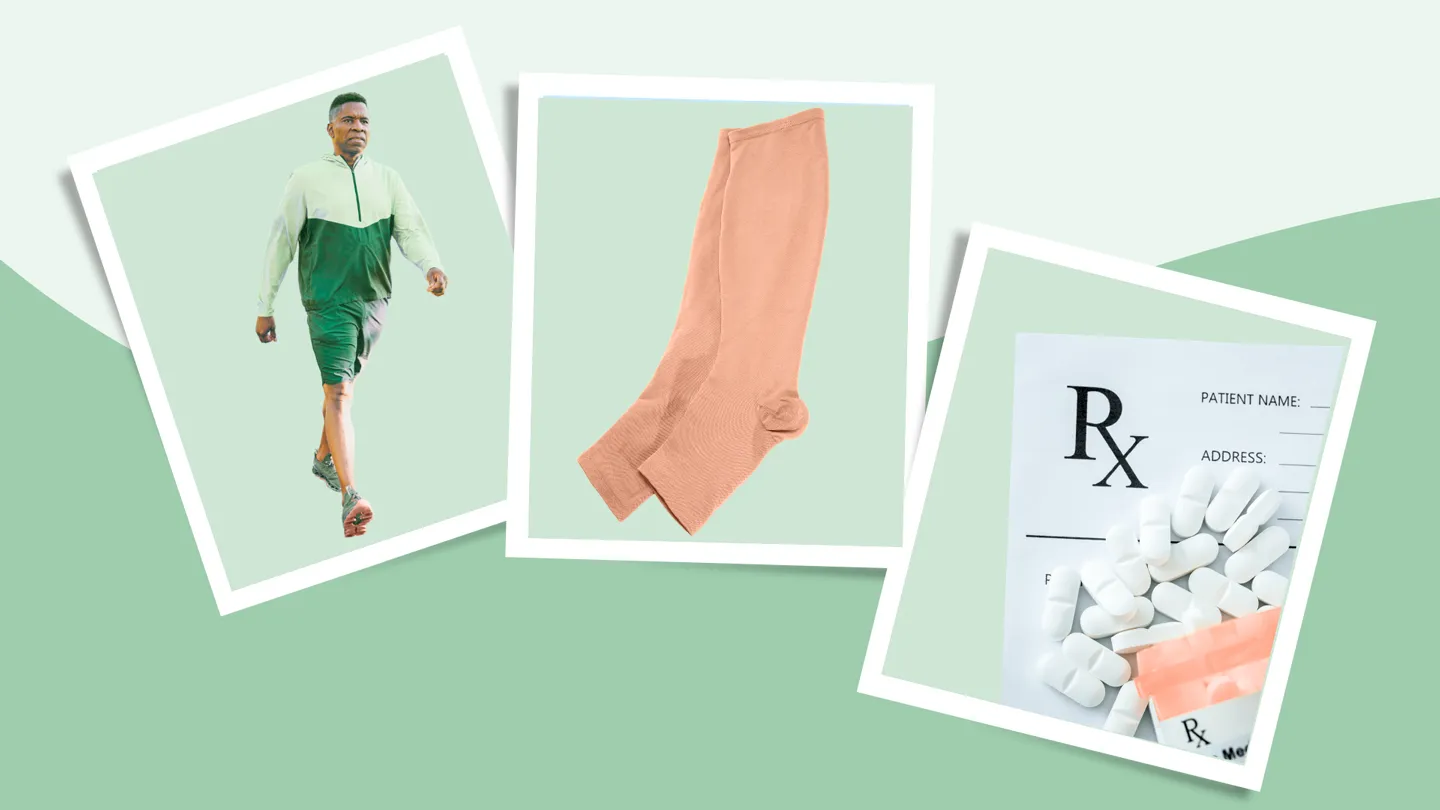
In addition to medication, lifestyle measures including nutrition and exercise can help slow down kidney damage.
The Role of Sodium
“If you have kidney disease, salt affects you differently than it affects someone with healthy kidneys,” says Jen Hernandez, RDN, a registered dietician-nutritionist based in South Florida and founder of Plant-Powered Kidneys. “Healthy kidneys remove extra sodium from the body, but damaged kidneys cannot do this as well.”
Reducing salt in your diet might seem complicated, but Hernandez points out practical steps that you can take:
- Read food labels. Look at the sodium amount per serving. Try to choose foods with 140 mg or less per serving.
- Limit processed foods. Packaged foods often contain a lot of sodium. “Salt added at the table with a salt shaker is usually not the biggest source,” says Hernandez.
- Cook more at home. Using fresh, minimally processed ingredients gives you more control over how much salt goes into your meals.
- Use other seasonings. You can build flavor without salt by using fresh herbs, garlic, lemon or lime juice, or spices such as paprika and cumin.
Fluid Management
“If you notice swelling in your legs, feet, or face, sodium restriction becomes even more important,” says Hernandez.
She recommends more steps to monitor and improve swelling:
- Limit sodium to under 2,000 mg daily.
- Check your blood pressure regularly.
- Elevate your legs when sitting.
- Avoid standing still for long periods.
- Wear compression stockings if recommended.
- Weigh yourself daily.
“Exercise helps lower blood pressure and protect your heart,” she says. “The general goal is 150 minutes per week of moderate activity, though your provider may recommend a different goal. If that feels overwhelming, start smaller. Any movement is better than none.”
Monitoring at Home
It’s important to keep track of your blood pressure, diet, and sodium intake. “Managing kidney disease takes consistency,” says Hernandez. “What’s important is building habits that can fit into your life in the easiest way possible. Even small reductions in sodium can improve blood pressure and reduce heart risk.”
She offers some ideas on how to make changes that will stick:
- Keep a food diary. A food diary can help you spot high-sodium patterns. Some online food journals will even help point out your highest-sodium food preferences.
- Use an app. There are apps that can be used to track sodium and blood pressure. Some offer both food journaling and vital sign tracking all in one.
- Monitor blood pressure at home. Find a time in your day where you are most consistently available for just a few minutes.
- Set small, realistic goals. “Remember that change doesn’t need to be drastic to be effective. Consistency is better than dramatic, random changes,” Hernandez says.