

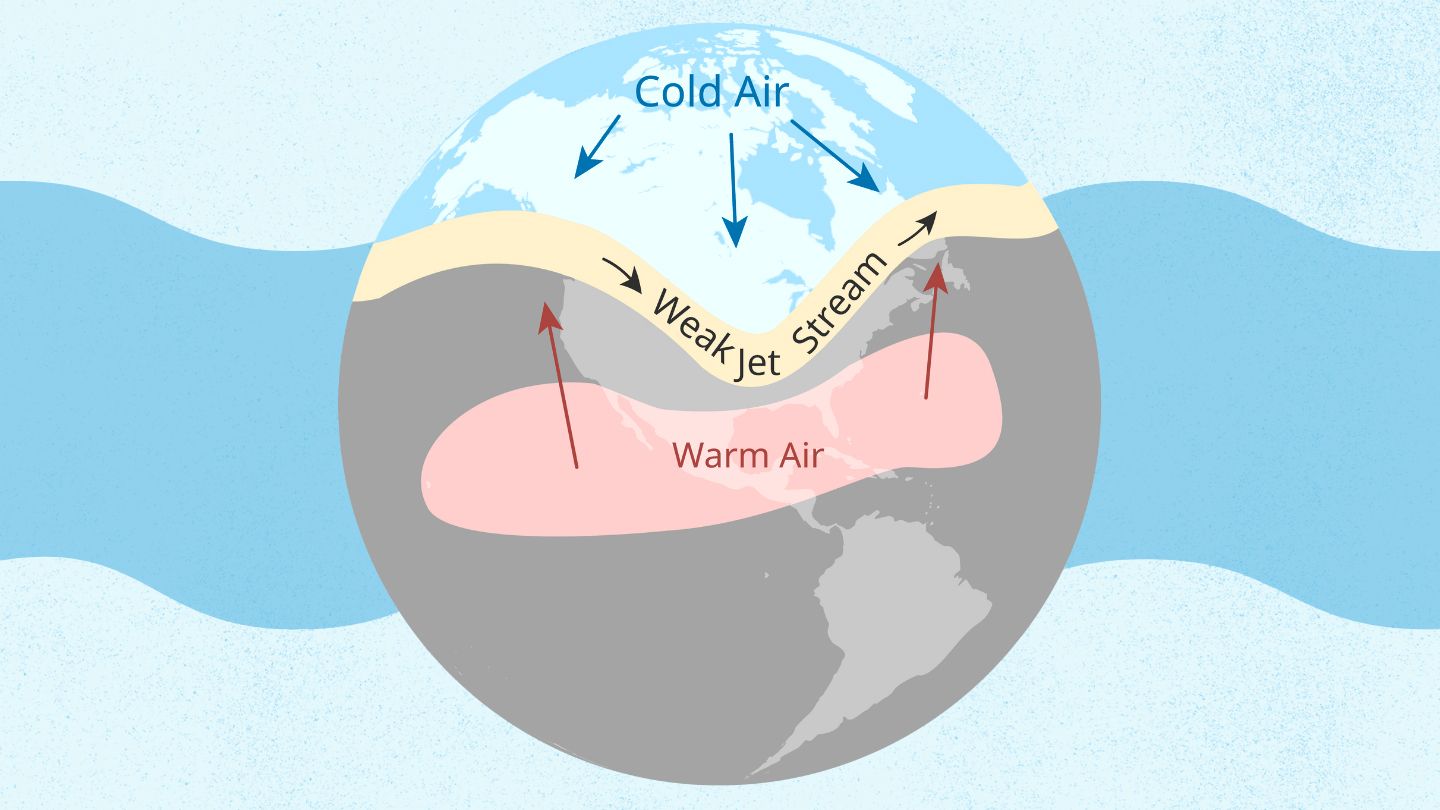
The extreme cold caused by a polar vortex can pose serious health concerns — from frostbite and hypothermia to heart strain and breathing problems.
How Does Extreme Cold Harm the Body?
Brad Uren, MD, an emergency medicine doctor and clinical associate professor at Michigan Health in Ann Arbor, says extreme cold challenges the body in multiple ways, including:
- Narrowing blood vessels, forcing the heart to work harder to pump blood and increasing heart strain
- Irritating the airways
- Accelerating heat loss
For people with some chronic conditions like asthma, COPD, heart disease, and diabetes, the effects can be even greater, and with more serious complications, Dr. Uren says.
Cold weather also increases the risk of hazards like frostbite and falls, which can send you to the urgent care or the emergency room, especially if you aren’t prepared.
How to Dress to Protect Against Extreme Cold
Dressing appropriately is your first and most reliable defense. Frostbite (when skin and the underlying tissue freezes) typically develops on exposed skin, especially the nose, ears, or fingers when you’re outside in very cold weather, says Uren.
“It can also happen in under protected areas,” he says, “for example if you wear thin socks and tennis shoes out in extreme cold, especially if there’s also snow or slush.”
When it’s very cold, especially if there’s lots of snow blowing around, the risk of injury to your skin is real, he says.
Uren suggests channeling the advice of moms everywhere this time of year — bundle up:
- Wear your warmest, most insulated coat.
- Opt for insulated boots and thick wool socks.
- Cover your face.
- Wear mittens rather than gloves (they retain heat better).
Depending on how long you’re going to be out, goggles can be helpful, too. “I’ve seen people get frostbite around their eyes because they have a mask on, and their whole body is covered except for that area,” he says.
Warning Signs of Frostbite and What to Do
- Numbness, tingling, or loss of feeling in the affected area
- Skin that changes color, turning pale, gray, blue, or red depending on severity and natural skin tone
- Skin that feels unusually cold, firm, or waxy
- Difficulty moving fingers or toes because of stiffness
- A burning or aching sensation
- Blisters that may appear after rewarming
Uren says that while going out in freezing temperatures does require some level of resilience, trying to “tough it out” when you start to feel symptoms is a really bad idea.
“If your fingers or toes start to feel uncomfortable or you notice color changes, that’s the cue to get inside and warm up,” he says.
Warm the area gently using warm (not hot) water or body heat. Avoid rubbing or applying dry heat. Seek medical care if sensation does not return promptly, if pain persists, or if blisters develop.
How to Recognize Hypothermia and What to Do
Hypothermia develops when the body’s core temperature drops too low. It’s less common than frostbite, and usually only occurs after prolonged cold exposure — for example, if someone is stranded outdoors or unhoused, he says.
- Intense shivering or shivering that suddenly stops
- Slowed or slurred speech
- Shallow breathing
- Weak or irregular pulse
- Poor coordination, stumbling, or clumsiness
- Extreme fatigue, confusion, or memory problems
- Cold skin or a drop in alertness
- Loss of consciousness
- In infants, bright red skin that feels very cold
“Confusion or poor coordination in the cold — almost acting intoxicated — is an indication of hypothermia and that person needs emergency medical attention,” says Uren.
- Poor blood flow or congestive heart failure
- Regularly smoking tobacco
- Having had frostbite or another cold injury in the past
- Cold conditions at high altitude
- Being an infant or an older adult, since these groups have a harder time generating and retaining body heat
What’s the Difference Between Frostbite and Hypothermia?
Frostbite is when the skin and underlying tissue freezes. Hypothermia is when the body’s core temperature drops too low. Frostbite is much more common than hypothermia.
Health Conditions and Medications Can Increase Cold Sensitivity
Some health conditions make cold weather especially dangerous.
Lung Disease
People with asthma, COPD, or lung disease may find that cold air triggers breathing problems, says Uren.
Diabetes
People with diabetes or neuropathy who already have a level of numbness in their extremities may not feel early symptoms of frostbite, so they should be especially cautious. “If you have reduced sensation in your hands or feet, you simply might not feel frostbite happening,” says Uren.
People with diabetes also experience more cold-related respiratory symptoms, says Jason Martin, a certified physician assistant who specializes in emergency medicine in the Kaiser Permanente Longmont Medical Offices in Colorado.
Cancer
Autoimmune Diseases
Protect Yourself Against Falls
This time of year, falls on slippery surfaces are common, says Martin.
“These can happen with something as benign as stepping outside to take out the trash, getting in the car, or walking to the mailbox,” he says.
Wintertime falls can cause painful and sometimes serious injuries, but most can be prevented, says Martin.
If you live in an area where snow and icy conditions are common, Martin recommends buying an inexpensive pair of slip-on shoes that you can put a traction device on until the spring thaw.
Consider Your Fitness Level Before Shoveling Snow, and Stay Hydrated
“Treat snow shoveling like any aerobic sport,” Martin says. If you have any doubts about your fitness level, put down the shovel and consult with your provider before you dig in, he says.
And even though you may get hot and sweaty, you still need to wear warm clothes, thick socks, and snow boots, he adds.
“Hydrate with the electrolytes if you’re shoveling for more than one hour. And if you’re working so hard it is difficult to carry on a conversion in terms of breathing, ratchet down your pace. You will be able to shovel longer and more efficiently,” says Martin.
If Ice or Snow Are in the Forecast, Reconsider Any Unnecessary Travel
Poor visibility, slick roads, and rapidly dropping temperatures can make driving hazardous, Uren says.
Home Safety Tips
- Maintain a consistent indoor temperature and use space heaters safely. Heaters should sit on flat surfaces at least three feet from anything that could burn.
- Never run a generator inside the house or garage if the power goes out, and keep vents unobstructed.
- Prevent frozen pipes by opening cabinet doors to let warmer air circulate around plumbing and let cold water drip from the faucet at a trickle.