

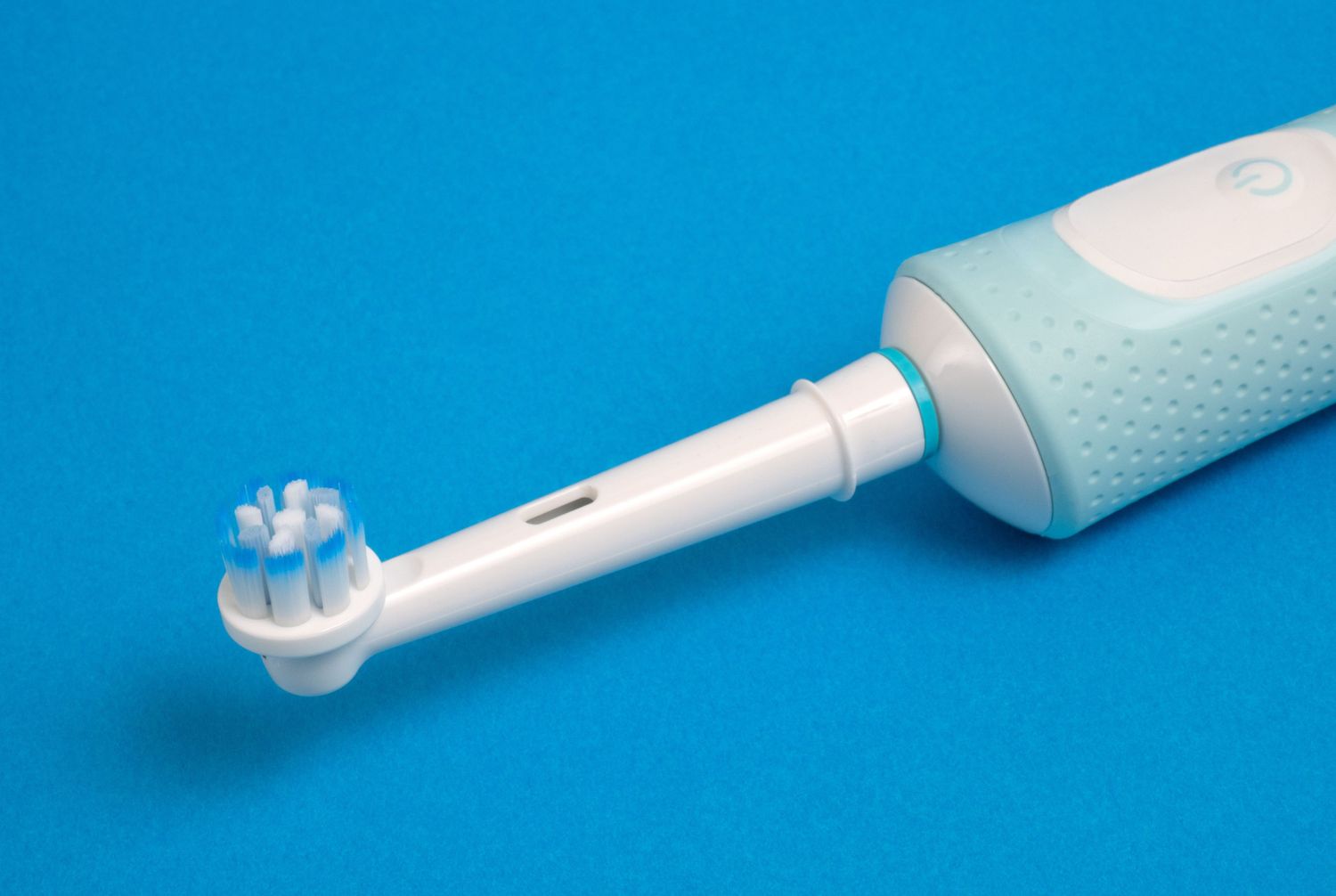
Electric toothbrushes offer several advantages over manual ones. They provide superior cleaning performance, have been shown to remove plaque more effectively, and may help reduce the risk of gum disease, among other benefits.
1. Excellent Plaque Removal
Dental plaque is a sticky film of bacteria on the teeth that can lead to health issues if not removed regularly. Electric toothbrushes have been shown to remove plaque more effectively than manual toothbrushes. They use electricity to move a small brush quickly, which helps clean teeth and gums better than a manual brush.
A 2020 systematic review and meta-analysis looked at studies of electric and manual toothbrushes for plaque removal. The researchers focused on healthy adults without gum disease, braces, implants, or removable dentures. They measured how well each type of toothbrush reduced plaque using established plaque index criteria.
The findings suggested that electric toothbrushes are much better than manual ones at removing plaque even after just one brushing session. These findings held regardless of which score index they used to measure the plaque removal.
2. Prevent Gum Disease
Gum disease (periodontitis) is an infection affecting the soft tissue and bone around teeth, typically caused by poor dental hygiene. Symptoms include bad breath, bleeding and swollen gums, loose teeth, and tooth loss. It can be prevented with regular oral hygiene and professional cleanings.
Electric toothbrushes are effective in preventing gum disease because they clean teeth and gums more thoroughly, reaching hard-to-reach areas. A 2019 study demonstrated that long-term use of electric toothbrushes is associated with better dental health and increased tooth retention compared to manual brushes.
3. Better Cleaning
Electric toothbrushes deliver a longer, more thorough cleaning than manual brushes. Their oscillating heads imitate professional cleanings you receive at a dentist’s office, and the rounded motions are particularly effective at removing plaque and stains from teeth.
A typical electric toothbrush operates at 2,500 to 7,500 strokes per minute, delivering a better cleaning experience that better reaches the gumline and tackles hard-to-reach spots.
4. Bad Breath Prevention
Food particles on teeth can lead to bad breath, but using an electric toothbrush can help reduce it. The electric toothbrush head is designed to fit around each tooth, giving you a deeper clean and reducing the number of food particles left behind.
Plus, many electric toothbrushes come with tongue cleaners, which is excellent since most bad breath actually comes from the tongue. Keeping your tongue clean along with your teeth can help keep bad breath at bay and improve your overall oral hygiene.
5. Teeth Whitening
A manual toothbrush delivers about 300 strokes per minute, while a typical electric toothbrush can deliver up to 7,500 strokes per minute. These additional strokes can help reduce teeth stains, leading to visibly whiter teeth.
Comparative studies have consistently shown that electric toothbrushes are more effective than manual toothbrushes at removing stains. The more advanced the electric toothbrush, the more effectively it removes stains and delivers a whiter smile.
6. Easy To Use
Electric toothbrushes demand minimal effort from the user, making the daily task of brushing teeth easier.
They are especially beneficial for older adults and people with limited mobility or dexterity. Manual brushing often requires some strength and hand movement, which can pose challenges for people with conditions like arthritis, paralysis, carpal tunnel syndrome, or a history of stroke.
Additionally, electric toothbrushes are an excellent choice for children, helping them make the most of their two minutes of brushing time.
Smart Features
Some advanced electric toothbrushes have companion apps that can tell you how long you need to brush in each quadrant and when to change toothbrush heads.
7. Have ADA Approval
The American Dental Association (ADA) provides a list of electric toothbrushes that currently have the ADA Seal of Acceptance. This seal symbolizes safety and efficacy, indicating that products have been rigorously tested and found to be safe and effective at removing plaque and preventing gum disease.
8. Pressure Sensor Protects Gums and Teeth
Many electric toothbrushes have a pressure sensor to prevent brushing too hard. This can reduce the risk of gum recession and tooth damage from excessive, abrasive, or hard brushing.
What Are the Drawbacks of Electric Toothbrushes?
Electric toothbrushes have some potential drawbacks to consider. One primary concern is the risk of brushing too hard, which can damage enamel and irritate gums. Fortunately, many electric toothbrush models are designed to limit the amount of pressure applied.
Other considerations are:
- Cost: Electric toothbrushes are typically more expensive and require regular replacement of brush heads, adding to the overall cost.
- Discomfort: Some users may find the vibrations uncomfortable or anxiety-inducing, especially people with sensory sensitivities.
- Electricity: Electric toothbrushes depend on a power source, which can be inconvenient when traveling or if recharging isn’t possible.
:max_bytes(150000):strip_icc()/lana-barhum-d731df9d86514add9c6e1bd5aa2d7233.jpg)