

Key Takeaways
-
Call your healthcare provider if you notice any pus drainage, spreading redness, or increased pain at your surgical site.
-
You may need antibiotics to treat an infection after skin cancer removal if you have symptoms like fever or swollen lymph nodes.
After skin cancer removal surgery, it’s normal for the incision site to feel sore. It’s not normal, though, for there to be pain, swelling, pus drainage, or red streaks extending from the wound. These, in addition to fever, are signs of infection after skin cancer removal.
If you think your incision is infected, don’t try to treat it at home. Instead, call your healthcare provider and ask for advice. Depending on the severity of the infection, you may need to take a round of antibiotics to treat it.
Kosamtu / Getty Images
What to Expect After Skin Cancer Removal
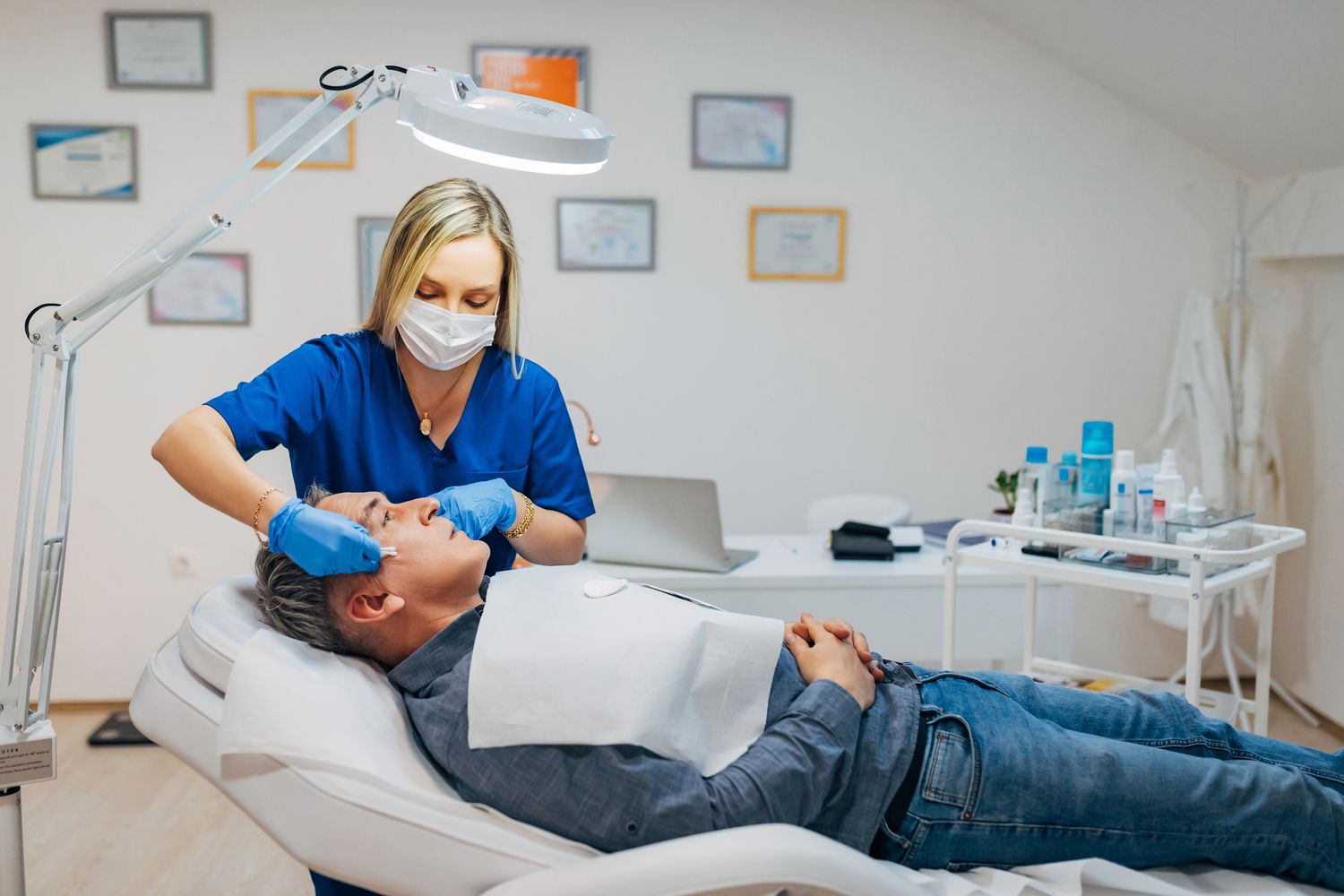
Surgery is a common treatment option for skin cancer usually performed in the dermatologist’s office. The type of surgery depends on the skin cancer type and its stage.
Skin cancer excision involves removing the tumor and some surrounding healthy skin. This procedure, typically done with local anesthetic, will leave a scar.
Mohs micrographic surgery removes and examines a thin layer of skin for cancer presence. This process is repeated until no cancer remains.
There’s a small risk of bleeding with Mohs surgery. To reduce this risk, rest well in the first days of recovery and avoid heavy lifting and strenuous exercise until the wound heals.
Some redness around the incision is normal as it heals. However, if redness worsens or swelling occurs, contact a healthcare provider immediately.
Stitches should be taken out within seven to 14 days. The scar may take a few months to a year to fully mature, depending on the incision’s size and depth.
Follow your dermatologist’s postoperative directions closely. You will receive instructions on how to clean your surgical site. You may also receive a topical medication to apply before covering the site with a bandage or gauze. Keep your surgical wound covered, because ultraviolet (UV) rays can cause irregular color (pigment) and scarring.
Signs of an Infection After Skin Cancer Removal
It’s normal to have some soreness and redness after surgery. However, if the symptoms worsen instead of improving, it might indicate an infection.
Signs of infection include:
- Spreading redness and swelling
- Colored or cloudy drainage
- Pus drainage
- Foul smell coming from the wound
- Incision feels hot to the touch
- Enlarged lymph nodes near the surgical site
- Increasing pain
- Fever or chills
Risk Factors
You may be more likely to develop an infection after skin cancer removal if you have type I diabetes, or another chronic disease that weakens the immune system.
Research shows that males may be more likely to develop infection after skin surgery, too. Although it’s not entirely clear why, researchers believe that males may be less likely than females to adhere to post-surgery wound care instructions.
The risk of developing an infection after skin cancer removal may also be higher if:
If your surgeon thinks you have a higher risk of infection, you may be prescribed a preventive course of antibiotics to take after your surgery.
Ways to Treat an Infection at Home
If you are concerned that you have developed an infection following skin cancer removal surgery, it’s best to consult your healthcare provider.
To care for your surgical wound at home, follow the surgeon’s instructions carefully. Make sure to clean the wound according to the recommended schedule and cover it with a new bandage or gauze. Always wash your hands thoroughly before touching your wound.
When to Seek Professional Treatment for a Skin Cancer Removal Infection
Always talk with a healthcare provider if you suspect you have developed a skin infection. Call your provider right away if you develop a fever, or if your surgical site has any of the following symptoms:
- Increasing pain
- Pus or cloudy liquid
- Uncontrolled bleeding
- An open wound that can’t be held together by stitches
If your provider diagnoses you with a bacterial infection, they will likely recommend antibiotics to treat it. Follow the prescription directions exactly, and continue taking the medication for the entire length of time prescribed.
Most rounds of antibiotics are prescribed for seven to 10 days. Depending on how severe your infection is, your doctor may prescribe oral antibiotics.
Skin Cancer Doctor Discussion Guide
:max_bytes(150000):strip_icc()/DoctorDiscussionGuideMan-5c3e5dd0c9e77c0001879454.png)
If your infection is advanced, your doctor may ask you to return to the office for more invasive treatment. To clean the wound, the doctor will remove the staples or sutures and remove the dead or infected tissue. This process is known as debridement.
The doctor will then rinse the wound with salt water and drain any pus. The wound is generally wrapped with dressings soaked in salt water (saline) and covered with a bandage.
:max_bytes(150000):strip_icc()/carriemadormo3-0d20d62434bb4344bdea385664529e28.jpg)