

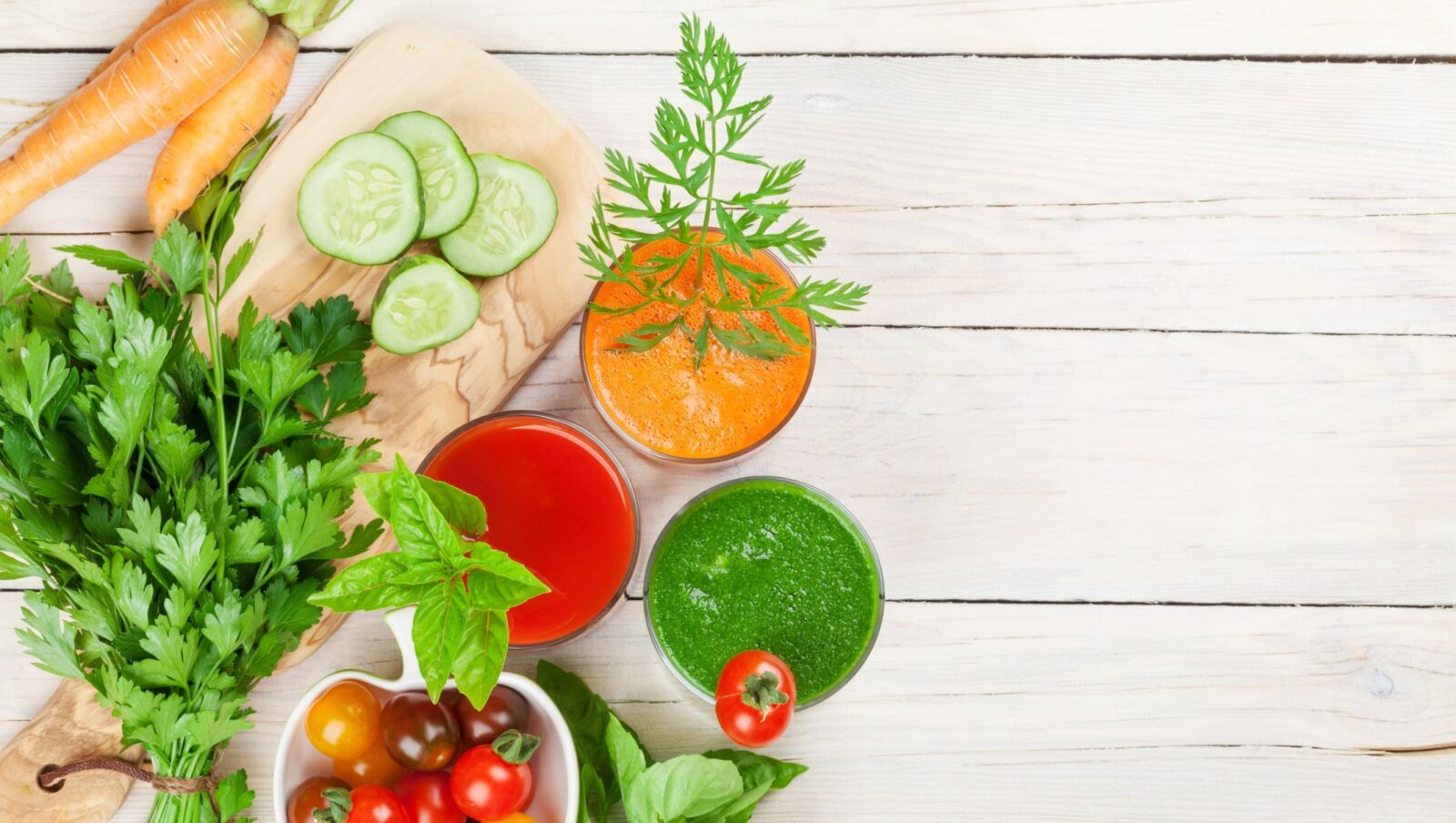
How Does the 21-Day Juice Cleanse Claim to Work?
Look online and you’ll likely find a variety of guidelines for a 21-day juice fast.
“Some 21-day plans (usually those promoted by juice companies) recommend fruit and vegetable juices only for 21 days,” says Scottsdale, Arizona-based Anne Danahy, RDN. “However, most plans suggest juices for up to one week, followed by a week of vegetable soups and smoothies, followed by raw foods, but no meats or animal foods, to gradually get your digestive tract working again.”
People may choose to adopt a 21-day juice fast for different reasons.
For many, it’s a tool for weight loss, since consuming only juice (and raw, light foods in later phases of the diet) cuts calories significantly. For others, a 21-day juice fast is intended to “detox” the body of heavy metals and other harmful substances. And some use a 21-day juice fast as part of a spiritual practice, seeking the mental clarity that may come from fasting.
What Can You Eat on the 21-Day Juice Fast Diet?
Again, the parameters of a 21-day juice fast are quite variable. It’s largely up to you to determine what you will eat at different phases of the diet. That said, many plans involve the following:
- A seven-day phase of consuming only freshly made fruit and vegetable juices and water. Homemade juices are recommended, since commercially made juices may contain added sugar or other ingredients. Some people dilute their juice with equal parts juice and filtered water. Others drink 8 ounces (oz) of juice followed by 8 oz of water.
- A second phase of “light” eating: This phase often involves three to seven days of eating low-calorie, plant-based foods like soups, salads, and smoothies. It’s intended to allow your body to readjust to solid foods after a week of a liquid diet.
- A third phase of “raw” eating in which about 75 percent of your intake comes from fresh, raw foods: The remaining 25 percent can come from cooked foods. Meat and poultry are usually discouraged, as are cooking methods like frying and breading.
Foods to Include
During the juices-only phase of the fast, you can drink juices with the following ingredients:
- Apples
- Bananas
- Bell peppers
- Berries
- Carrots
- Celery
- Citrus fruits
- Cruciferous vegetables like broccoli, cauliflower, and Brussels sprouts
- Cucumber
- Fresh herbs
- Kiwi
- Leafy greens like kale, spinach, and chard
- Lemon juice
- Pineapple
- Pomegranate
- Watermelon
- Zucchini
Foods to Avoid
Meanwhile, the following foods are restricted:
- Added fats like cooking oils, salad dressings, and mayonnaise
- Alcohol
- Beans and legumes
- Dairy foods like cheese, milk, and yogurt
- Grains like bread, pasta, rice, oats, and quinoa
- Meats, including chicken, pork, beef, and lamb
- Nuts and seeds
- Sugar-sweetened beverages
Potential Benefits of the 21-Day Juice Fast Diet (and Why They May Not Last)
By consuming only juice for a week (and very light meals for two additional weeks), you’ll trim your calorie intake considerably. For this reason, weight loss is likely during a 21-day juice fast, according to Houston Methodist.
However, Danahy cautions that juice fasting isn’t a healthy or sustainable path to long-term weight loss.
“Fruit and vegetable juices have virtually no protein, and are very low in calories,” she says. “While that can promote weight loss, it’s mainly because you’re losing water and muscle.” When you resume your usual eating habits, you’re likely to regain weight lost during a short-term fast, according to Mayo Clinic.
Danahy says the claim that a three-week juice fast will “detox” your body also doesn’t hold water. “There is no scientific evidence that a juice diet helps you detox,” says Danahy.
According to the University of Rochester Medical Center, your kidneys and liver do that job 24/7, so the best way to remove toxins is to support these organs with a healthy, balanced diet high in whole fruits, vegetables, and other high-fiber foods, and low in salt and added sugar, especially in ultra-processed foods and alcohol.
As for the mental and spiritual clarity purported to come from fasting, more scientific evidence is needed. In a small study published in 2023, men who did a water-only fast for eight days experienced no changes to their mental well-being.
However, another small study that looked at 52 young women who fasted for 18 hours found they reported a variety of emotional impacts, from elevated positive feelings of achievement, reward, pride, and control to increased irritability.
While neither of these studies looked specifically at 21-day juice fasts, they suggest that each person may have a unique mental, emotional, and spiritual response to fasting.
Potential Risks of a 21-Day Juice Fast
Going on a 21-day juice fast isn’t without risks, including:
- Nutrient Deficiencies Though fruits and vegetables have lots of important nutrients, they’re notably lacking in protein, fat, and certain micronutrients like vitamin B12, according to Houston Methodist. Going without these nutrients for too long could lead to deficiencies.
- Elevated Blood Sugar Fruit juice is very high in sugar, which can cause high blood sugar in someone with diabetes or prediabetes, according to Diabetes.co.uk.
- Undesirable Changes from Low Fiber A study published in 2025 found that juice diets lacking in fiber caused harmful changes to oral and gut bacteria after just three days. Meanwhile, low fiber intake could slow down your digestion, causing constipation.
- Unsustainable Weight Loss Rapid weight loss isn’t usually lasting weight loss, according to Mayo Clinic. Though a juice fast might melt away pounds quickly, it’s not a long-term solution, and it could lead to an unhealthy cycle of yo-yo dieting.
- Lack of Scientific Evidence Scientific evidence doesn’t support juicing’s claim to detoxify the body or individual organs.
- Social Isolation The restrictive nature of a 21-day juice fast could mean three weeks of difficulty socializing over meals. During this time, you may lose out on the pleasure of enjoying food with others.
Is the 21-Day Juice Fast Diet Right for You?
Just because a juice fast is touted by an influencer you admire doesn’t make this fad a healthy choice.
“Whenever you read about diets or health information online or on social media, it’s essential to consider the source,” says Danahy. “No legitimate medical authorities promote juice diets for detox — that should give consumers a big clue about their effectiveness.”
Instead, a credentialed professional like your doctor or a registered dietitian can give you tailored dietary guidance for weight loss or other health goals based on your specific needs.