

Key Takeaways
- Treatment kills scabies mites quickly, but itching can last for weeks to months after treatment.
- Scabies is very contagious and spreads through prolonged skin-to-skin contact
Scabies is a common skin condition caused by an infestation of Sarcoptes scabiei, a parasitic skin mite. The mites burrow under your skin where they feed and lay eggs, creating a cycle that replaces the dead mites with new ones.
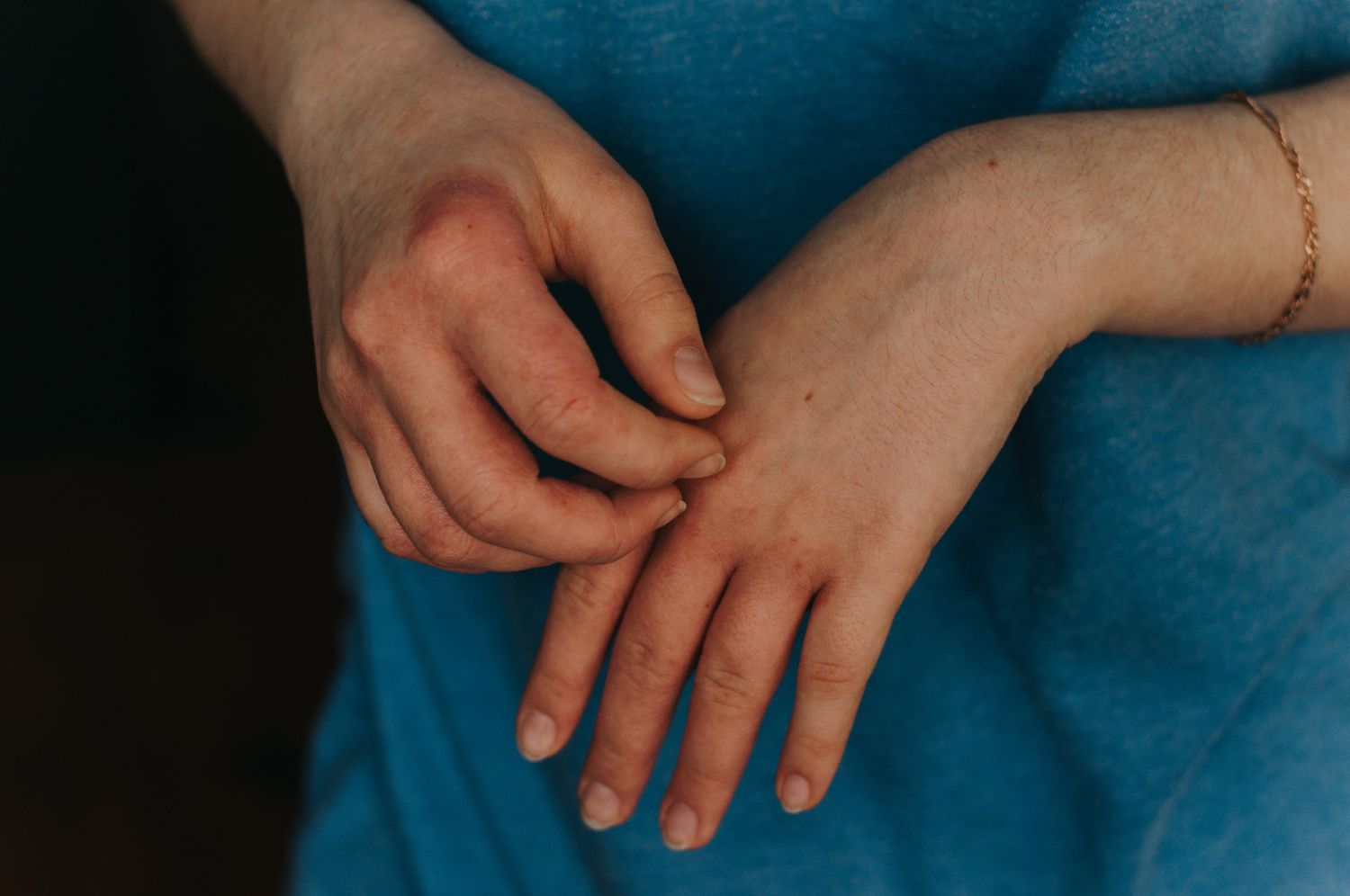
Intense itching and a rash are common with scabies. These symptoms are caused by an allergic reaction to the mites’ feces or saliva.
The time it takes the itching or rash to appear can vary. You can spread the mites as soon as you’re infested, even if you don’t have symptoms. Often, they are spread from person to person while sleeping in the same bed or during other close contact.
While proper treatment can kill the mites quickly, itching can persist after the mites die. Complications and long-term effects can occur without the right care.
In this article, you’ll learn when scabies is contagious, how it’s treated, how long scabies lasts with proper treatment and what you can do to prevent its spread.
iStock / Getty Images Plus
Scabies Life Span
Scabies mites make their way under the top layer of human skin, known as the epidermis. They can survive there for about one to two months. A mature female mite can lay two to three eggs each day until she dies, with roughly 10% of these eggs reaching adulthood.
These eggs hatch as larvae in three to four days. When the larvae mature, they repeat the cycle of tunneling and mating to expand the number of eggs. The mites continue to burrow and reproduce until they are destroyed by treatment.
Extent of Infestation
A typical scabies infestation involves about 10 to 15 mites at a time. In more severe cases, known as crusted scabies, there can be thousands of mites.
While scabies treatment is usually effective in killing the mites, you may experience symptoms of itching for several weeks or months after treatment. Problems like skin infections and health issues can extend the impact of scabies, long after the mites are killed.
Is Scabies Contagious?
Scabies is very contagious, spreading most often through prolonged skin-to-skin contact lasting 10 minutes or more, even before symptoms appear.
Casual contact, like a handshake or hug, is unlikely to transmit scabies. As mites cannot fly or jump, they need constant contact to move from one person to another.
Scabies typically spreads through close, direct contact with:
- Household member
- Sexual partner
- Caregiver
It can also easily spread in high-contact environments such as:
- Childcare facilities
- Long-term care facilities like nursing homes
- Correctional institutions
In some instances, scabies might spread through contact with contaminated bedding, clothing, or furniture, particularly when the affected individual has a large number of mites or crusted scabies.
Scabies Treatment
Treating scabies requires prescription medications known as scabicides to eliminate both mites and their eggs. These prescription creams and lotions can effectively kill the mites when used as directed.
Approved treatments include:
- Nix (permethrin) 5% cream
- Eurax (crotamiton) 10% lotion or 10% cream
- Sulfur 5%–10% ointment
- Benzyl benzoate 25% lotion
- Natroba (spinosad) 0.9% liquid
- Stromectol (oral ivermectin) when topical medications have failed or the infestation is severe
It’s important to continue the full course of treatment as prescribed by your healthcare provider, even if your symptoms improve.
Complications of Scabies
While scabies is usually not dangerous, it can involve the following complications when treatment is delayed or improperly used:
After Treatment
Even if your treatment is successful in killing the scabies mites, the itching and rash can persist for several weeks or longer after treatment. Some scabicides, like permethrin cream, contain allergens that can irritate your skin. This can make it hard to tell if scabies is going away.
When treatment is effective, new rashes and burrows should stop appearing within 24–48 hours of treatment.
Depending on the extent of your itching and rash, your healthcare provider may advise the use of an antihistamine or steroid cream to relieve symptoms.
Retreatment with the same or a different scabicide may be necessary if signs of mites, such as new burrows or ongoing itching, continue for more than two to four weeks after your initial treatment.
Prevention
Being infested and treated for scabies doesn’t protect you from catching scabies again. In fact, your close household members or sexual contacts can reinfect you immediately after your treatment if they had become infested when you had the condition.
The best way to prevent scabies is to avoid prolonged skin-to-skin contact with people who have scabies. However, since a person with this condition can transmit scabies to others even if they don’t have symptoms, it can be hard to know whom to avoid.
Know Your Risk Factors
Living or working in a communal living environment, like a skilled nursing facility, a dorm, or at camp, increases your risk of catching scabies. If you develop a rash or itchiness, consult a healthcare provider as soon as possible to prevent the spread of untreated scabies.
The Centers for Disease Control and Prevention (CDC) advises that household members and recent sexual contacts also receive treatment at the same time that the patient with scabies is treated. This helps reduce the risk of spread and prevents reinfestation.
To protect yourself against reinfestation and prevent further transmission of scabies, use the following home remedy on the day you start treatment:
- Wash your clothes, bedding and towels in a washing machine using the hottest water possible.
- Dry all clothes in a dryer using the hottest setting possible.
- Items that can’t be washed should be taken to a dry cleaner or sealed in plastic for at least one week. This may include coats, jackets, blankets, bedspreads, soft toys, and pillows.
:max_bytes(150000):strip_icc()/IMG_09172-9ca0040fa5e74df0b5aac42d8125d477.jpeg)