

Key Takeaways
- Limit yourself to two or three bananas daily because too much potassium can be harmful.
- People with diabetes should eat bananas with a protein or fat to avoid blood sugar spikes.
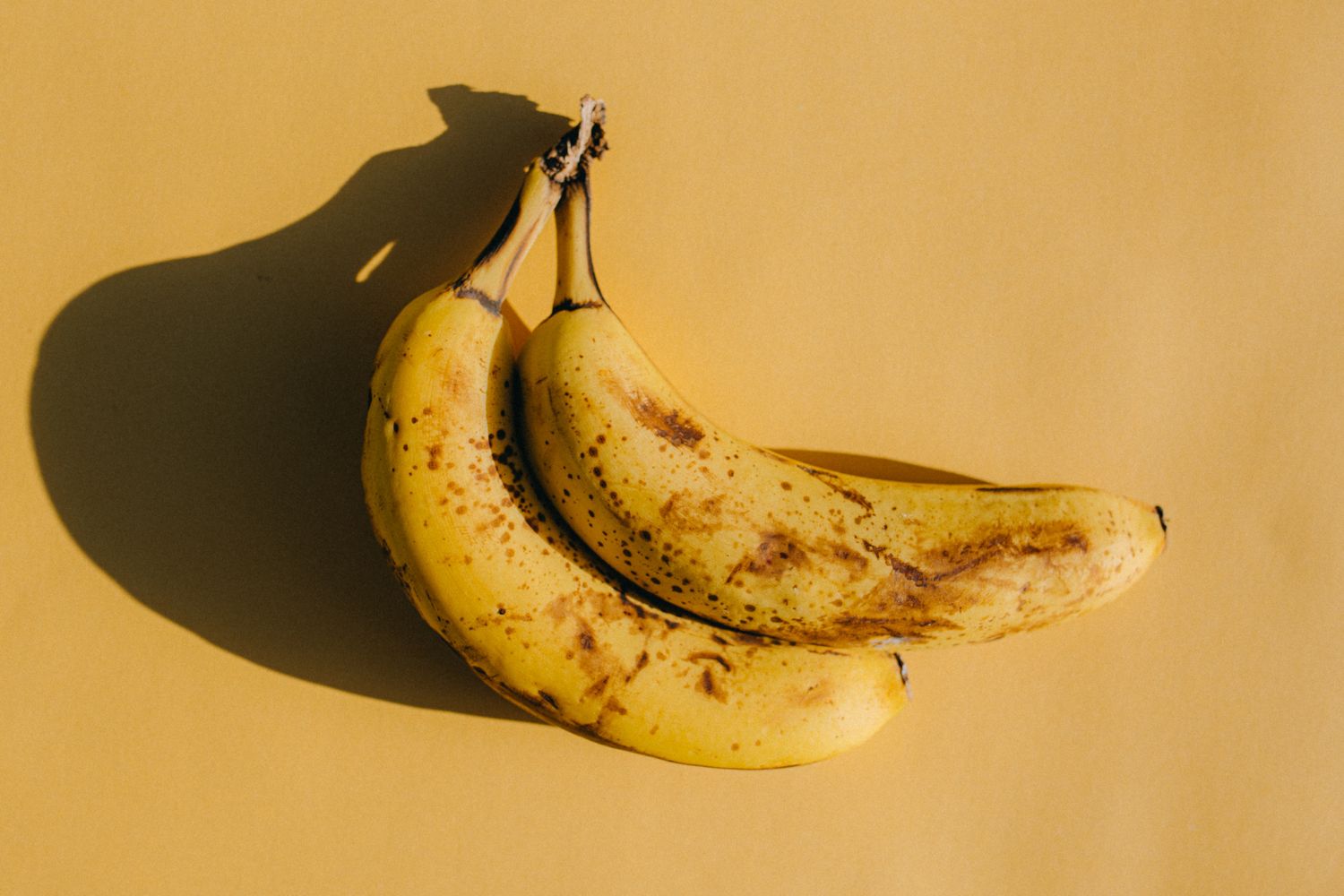
Bananas are a good energy source and contain fiber that’s especially helpful for your gut. But it’s important to consume bananas in moderation, especially if you have certain health conditions. Limit yourself to two or three per day to avoid health issues.
Stefania Pelfini, La Waziya Photography / Getty Images
1. Too much potassium
One banana has about 400 milligrams of potassium, said Alexandra Rosenstock, RD, CDN, a dietitian at Weill Cornell Medicine and NewYork-Presbyterian. “Healthy individuals without kidney problems should be able to safely eat two to three bananas a day.”
Those with impaired kidney function are at risk of elevated potassium levels if they consume too many, she added.
Hyperkalemia occurs when there is too much potassium in the blood. People with kidney disease are at higher risk of developing it after consuming too much potassium.
Hyperkalemia can cause serious symptoms, some of which are life-threatening, including cardiac arrhythmias, paralysis, and muscle weakness.
The upper limits of a healthy blood potassium level are in the 5.0 mEq/L (milliequivalent per liter) to 5.5 mEq/L range, and symptoms of the condition usually begin when much higher levels—about 6.5 mEq/L to 7 mEq/L—of potassium are in the blood.
2. Blood sugar spikes
People with diabetes might need to eat bananas along with a protein or fat source, said Rosenstock. Without it, the carbohydrates and sugars in the fruit may lead to a blood sugar spike.
3. GI discomfort
Eating too many bananas can lead to gastrointestinal issues, including gas, bloating, and diarrhea, said Samantha Dieras, DCN, RD, CDN, director of ambulatory nutrition services at Mount Sinai Health System.
Bananas can trigger uncomfortable GI symptoms for several reasons: they’re high in fiber, and they’re also a high-FODMAP food. FODMAP stands for fermentable oligosaccharides, disaccharides, monosaccharides, and polyols. Some people can’t efficiently digest these carbohydrates, which can cause gastrointestinal issues.
Bananas’ high fiber content can make them a dicey choice for some people with gastrointestinal issues like irritable bowel syndrome (IBS) or other people who need to adhere to a low-fiber diet.
Nutritional Stats of Bananas
Bananas contain energy from natural sugars, which makes them a good pre- or post-workout snack, said Dieras.
Bananas contain the following nutrients:
- Total calories: 105
- Carbohydrates: 27 grams
- Dietary fiber: 3 grams
- Total sugars: 14 grams
- Protein: 1 gram
- Calcium: 6 milligrams
- Sodium: 1 milligram
- Iron: 1 milligram
Why Bananas Are Still a Good Snack
Bananas contain potassium, which can help control blood pressure, antioxidants, and fiber, which you should consume daily.
But it’s not just the fiber that’s good for your gut, said Rosenstock. “Less ripe bananas can act as a prebiotic to feed the gut bacteria due to resistant starch content.”
:max_bytes(150000):strip_icc()/maggieoneill-16204cf3e01b424bbbd66733f6fb4668.jpeg)