

Key Takeaways
- Active adults need 1.2-2.0 grams of protein per kilogram (g/kg) of body weight every day to build muscle.
- People with low activity levels need less, at about 0.8 g/kg daily.
- High-quality protein from whole foods can help build muscle, but supplements are an option.
To build muscle mass, you will likely need to consume more protein. However, your total protein needs depend on many factors.
How Much Protein Do I Really Need?
The amount of protein you need daily will depend on your activity level, age, goals, and health conditions.
- For average adults with low activity levels, the recommended protein intake is about 0.8 grams per kilogram (g/kg) of body weight per day.
- Active individuals, athletes trying to build muscle, and those recovering from illness or surgery may require 1.2–2.0 g/kg daily to support muscle growth and recovery.
- Growing adolescents and older adults also may benefit from higher protein intake. Older adults may need 1.2–2.0 g/kg to prevent muscle loss.
A registered dietitian nutritionist (RD/RDN) can help determine the right balance of nutrients to build and maintain muscle. Ask your healthcare provider for a referral.
Key Factors to Keep in Mind When Setting Your Daily Protein Goals
Here are some of the most important things to consider when determining an optimal daily protein intake:
- Body composition: Individuals with larger bodies or more muscle mass typically require more protein to support muscle growth and recovery.
- Exercise intensity and type: Engaging in intense resistance or endurance training may require more protein to repair and build muscle tissue.
- Age: Older adults typically need more protein to counteract age-related muscle loss (sarcopenia).
- Sex: While not the only factor, sex can influence protein needs due to differences in muscle mass and hormonal profiles.
- Training goals: If your goal is muscle gain, your protein needs will generally be higher than for maintenance or weight loss.
- Calorie intake: If you’re in a caloric surplus, your protein needs might be lower, as more overall energy supports muscle synthesis. In a caloric deficit, higher protein is recommended to preserve lean muscle.
- Protein quality: High-quality protein sources can help support muscle-building with potentially less total protein. For the most nutritional benefit, prioritize whole-food protein sources over protein supplements.
- Timing and distribution: Intentionally spreading your protein intake throughout the day, especially before and/or after a workout and before bed, can help optimize muscle protein synthesis.
Why Protein Is Important for Building Muscle
- Building blocks: Protein is made up of amino acids, which are often called “the building blocks” of muscle tissue. Your body needs amino acids to grow and repair muscle.
- Muscle repair: Strength training causes tiny muscle tears that rebuild stronger through a process called muscle protein synthesis.
- Preservation: Adequate protein helps prevent muscle loss during intense training or calorie restriction, supporting fat loss while preserving lean mass.
How Much Protein Is Too Much?
- Safe limit: Most healthy adults may safely consume up to 0.91 g/lb (2.0 g/kg) of protein daily. Avoid higher intakes unless under the supervision of your healthcare provider.
- Diminishing returns: Consistently eating too much protein may offer little benefit. Any excess is typically excreted or stored as fat.
- Kidney strain: High protein intake increases metabolic waste, which may stress kidneys, especially those with existing kidney issues.
- Protein source matters: Plant-based proteins are less likely to cause long-term health issues than animal-based ones when eaten excessively. However, animal products provide key nutrients like heme iron, zinc, vitamins B12 and D, phosphorus, selenium, and calcium, which are not as abundant in plant protein sources.
- Saturated fat risk: Animal proteins tend to be significantly higher in saturated fat, which, when regularly consumed in excess, is linked to cardiovascular disease.
How to Know You’ve Had Too Much Protein
Some possible symptoms and complications that can develop from regularly eating too much protein include:
- Dehydration: High protein intake may increase water loss because your kidneys work harder to process nitrogen from protein.
- Digestive issues: If your protein intake is high and your fiber intake is low, changes in your bowel habits, like constipation or diarrhea, may occur.
- Kidney strain: Overworking the kidneys with excessive protein intake can be particularly concerning for people with preexisting kidney conditions.
- Bad breath: High-protein, low-carbohydrate diets can lead to ketosis, in which your body switches from using glucose to fat for energy, which often causes a distinct breath odor.
- Increased risk of heart disease: Diets high in protein from animal sources, particularly red meat, may increase the risk of heart disease as they are also high in saturated fat.
- Nutrient imbalance: Excess protein may displace other essential nutrients in your diet, like fiber, vitamins, and minerals, especially if it crowds out fruits, vegetables, and grains.
- Weight gain: Consuming excess protein can lead to a calorie surplus, which may be stored as fat if not used for energy or muscle repair.
- Mood changes: High protein with insufficient carbohydrates may impact serotonin (a feel-good hormone) levels, affecting mood and energy levels.
Food Sources of Protein
Protein is found in almost every food (including broccoli), but some foods are better sources than others. Examples of high-protein foods are:
- Specific plant-based yogurts (made from soy or peas, especially)
- Dairy products (cheese, milk, yogurt, cottage cheese)
- Eggs
- Fish and seafood
- Legumes (beans, peas, and lentils)
- Nuts, seeds, and nut butter
- Poultry (chicken, turkey)
- Quinoa and buckwheat
- Red meat
- Seitan, a plant-based meat alternative made with vital wheat gluten
- Soy milk and pea milk
- Tofu, tempeh, and edamame
It’s best to get protein from a variety of foods. Despite common myths, you can meet protein needs with plant sources alone. If you eat meat, include both animal and plant proteins for added fiber, antioxidants, and nutrients.
Other Protein Sources for Building Muscle
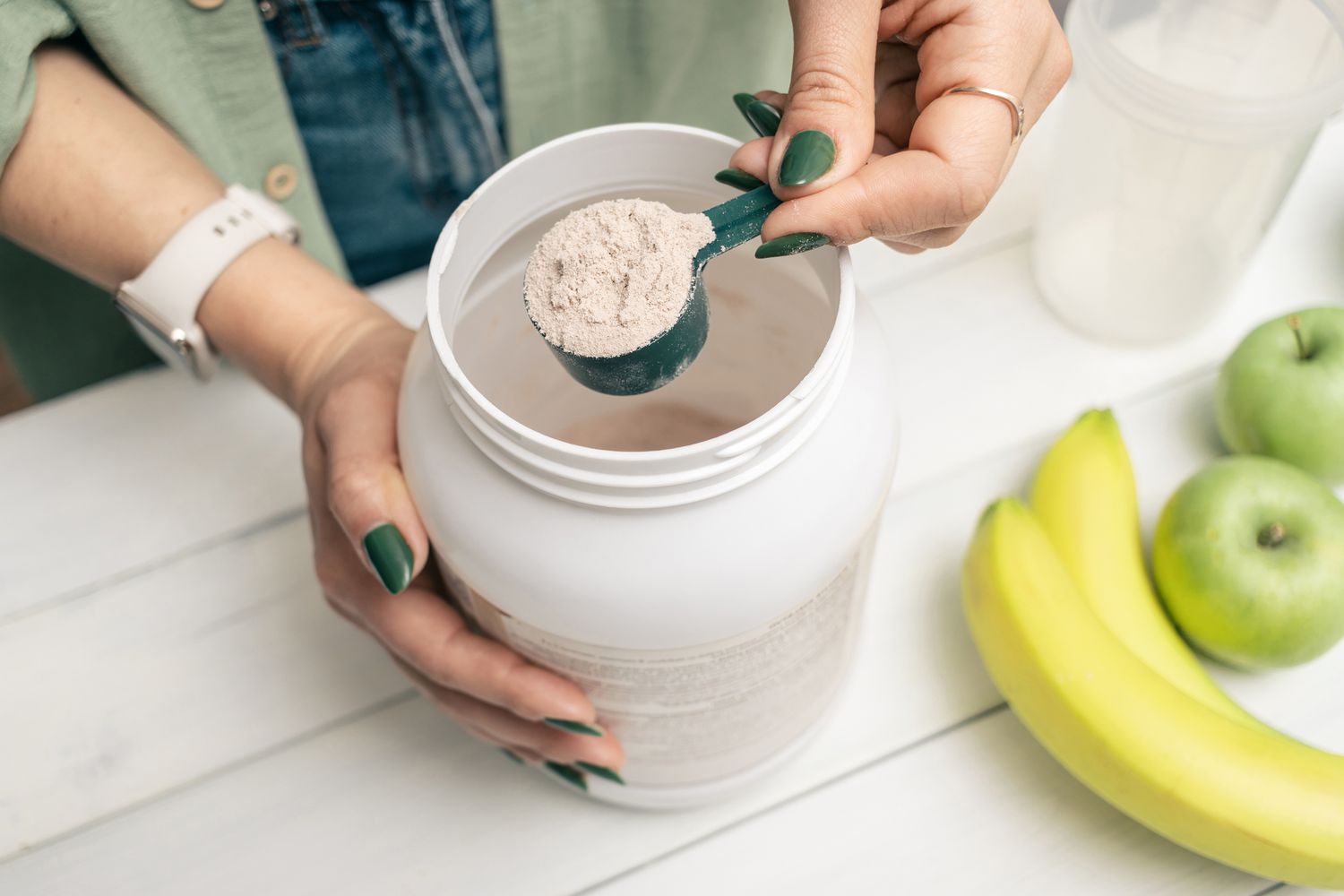
Many people use protein powders to help build muscle. While they are a convenient source of protein that can contribute to your daily needs, they should not be your only source of protein. If not monitored, they can lead to overconsumption and side effects.
Are There Risks of Not Getting Enough Protein During Exercise?
Most people in the United States get enough protein if they eat sufficient calories; true deficiency is rare. However, eating too little protein can slow muscle growth, hinder recovery, and increase fatigue or illness.
Knowing your needs and eating a variety of healthy protein sources makes it easy to support everyday needs and muscle-building goals.
:max_bytes(150000):strip_icc()/Lpanoffverywellphoto-f71f0b5c487943a382bbbdabc0a2fc1d.jpg)