

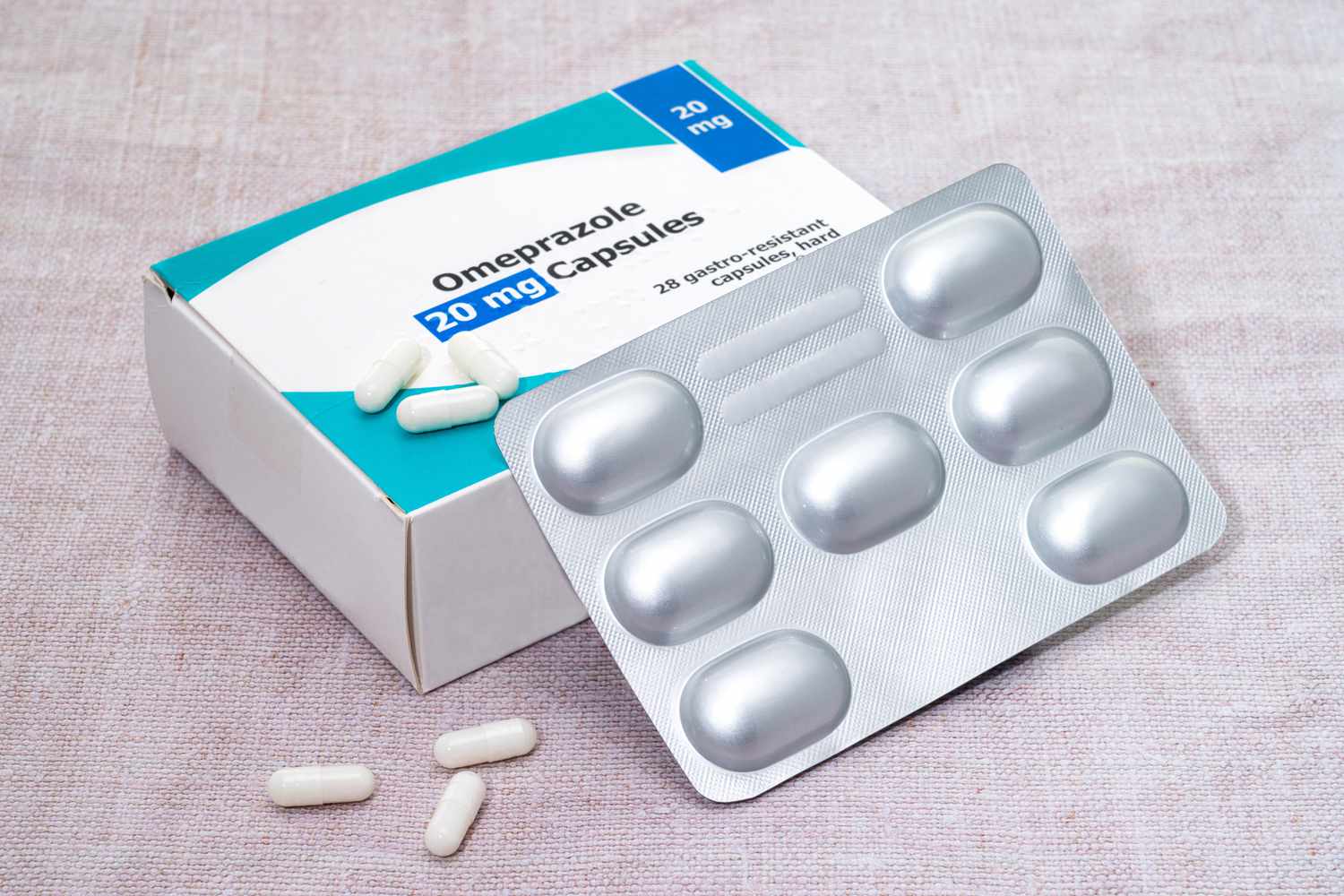
Key Takeaways
- Famotidine starts working in about an hour and lasts for around 12 hours.
- Omeprazole can take a few days to work but lasts all day once it starts.
- Both medications can have side effects, so talk to your healthcare provider to see which is best for you.
Famotidine offers faster relief for heartburn, while omeprazole is more effective for prolonged control of stomach acid. Choosing between them depends on whether you need immediate symptom management or long-term acid reduction.
Clubfoto / Getty Images
What Are the Benefits of Famotidine?
Famotidine is a generic drug in the histamine type-2 receptor antagonist (H2RA) class, also known as H2 blockers. It’s available over-the-counter (OTC) and by prescription. Brand versions include Pepcid, Pepcid AC, and Zantac 360.
The Food and Drug Administration (FDA) has approved OTC versions of famotidine for different indications other than their prescription versions. OTC famotidine, such as Pepcid AC, prevents and treats heartburn in adults and children 12 years and older.
The prescription form of famotidine is FDA-approved for treating stomach or intestinal ulcers and GERD in adults and some children. It also helps prevent gastrointestinal ulcers and treat conditions causing excess stomach acid, like Zollinger-Ellison and multiple endocrine neoplasia syndromes.
How Famotidine Works
Famotidine blocks a specific type of histamine receptor (H2) to reduce stomach acid and relieve GERD and heartburn symptoms by preventing stomach acid from backing up into your esophagus (food tube) and causing irritation and discomfort.
Taking famotidine 15 to 60 minutes before eating can prevent or reduce heartburn symptoms.
Famotidine starts working within one hour, and its effects last about 12 hours.
What Are the Benefits of Omeprazole?
Omeprazole is a generic medication in the proton pump inhibitor (PPI) class. It’s available both as a prescription and over-the-counter (OTC).
OTC omeprazole (Prilosec OTC) treats frequent heartburn in those 18 and older who experience symptoms at least twice a week. It’s usually taken once daily for 14 days. Don’t exceed 14 days of use without consulting a healthcare provider.
The prescription version of omeprazole is FDA-approved to treat damage from GERD in adults and children older than 1 month of age.
Prescription omeprazole is also approved to treat the following in adults:
- Ulcers
- H. pylori infections
- Other hypersecretory conditions (too much stomach acid), like Zollinger-Ellison syndrome
Omeprazole might be prescribed for short or long-term use based on your condition.
Unlike famotidine, omeprazole doesn’t provide quick heartburn relief and may take a few days to start working.
How Does Omeprazole Work?
As a PPI, omeprazole lowers the amount of acid in your stomach but does so in a different way than famotidine.
Omeprazole works by inhibiting the pumping of gastric acid and blocking the final step in acid production.
Omeprazole is not an antacid, and it does not provide instant relief from heartburn symptoms. It can take one to four days of treatment before omeprazole reaches its full effect.
However, some people will notice some relief of heartburn symptoms within the first 24 hours. It usually keeps working to decrease stomach acid production for about a day.
How Dosage Recommendations Compare
Famotidine and omeprazole have different dosage recommendations.
Your healthcare provider may adjust or reduce your dosage if you have certain health conditions, kidney impairment, or if you take other medications.
Take the dosage recommended by your provider.
Famotidine Dosage Forms and Strengths:
- OTC: Oral tablets (10,20 milligrams (mg); chewable tablet: 10, 20 mg
- Prescription: Oral tablet (20, 40 mg); oral suspension: 40 mg per 5 milliliters (mL); Injection: 0.4 mg per milliliter (mg/mL), 10mg/mL
Adult Dosage (Based On Condition):
- Heartburn: 10–20 mg once or twice daily as needed
- GERD: Erosive esophagitis (tissue-lining damage): 20–40 mg by mouth twice daily for up to 12 weeks.
- GERD: Non-erosive: 20 mg by mouth twice daily for up to 6 weeks
- Ulcers: Active ulcer: 40 mg by mouth at bedtime for 4–8 weeks
- Maintenance: 20 mg by mouth at bedtime
- Hypersecretory conditions: 20–60 mg by mouth every 6 hours
Omeprazole Dosage Forms and Strengths:
- OTC: Oral tablet: 20 mg; oral capsule: 20 mg; orally disintegrating tablet (ODT): 20 mg
- Prescription: Oral capsule: 10 mg, 20 mg, 40 mg; granules for oral suspension: 2.5 mg, 10 mg
Adult Dosage (Based on Condition):
- Heartburn: 20 mg once daily for 14 days
- GERD – Erosive esophagitis: 20 mg by mouth once daily for 4–12 weeks
- GERD – Non-erosive (no tissue-lining damage): 20 mg by mouth once daily for 4–8 weeks
- Ulcers – Active ulcer: 20-40 mg by mouth once daily for 4–8 weeks
- Maintenance: 20 mg by mouth once daily
- Hypersecretory conditions: 60 mg by mouth once daily
- H. pylori infection: 20 mg by mouth twice daily for 10–14 days as part of a multidrug regimen
Famotidine and omeprazole can be prescribed for children, with dosages varying by age, weight, and condition. Your child’s healthcare provider will recommend what’s best for their needs.
Famotidine is approved for the following uses in children:
- Relieving and preventing heartburn (ages 12 years and older)
- Treating peptic ulcer disease (ages 1 year and older)
- GERD in children of any age, including infants
Omeprazole is approved for treating the following conditions in children:
- GERD: Non-erosive (ages one year and older)
- GERD: Erosive esophagitis (ages one month and older)
Taking Omeprazole and Famotidine Together
Most people find relief with one medication, but sometimes doctors recommend taking both omeprazole and famotidine for severe symptoms. They are safe to use together as they work differently in the body. Your provider might suggest taking omeprazole in the morning and famotidine before your evening meal for combined benefits.
How to Manage Side Effects of GERD Medication
There are potential common, serious, and long-term side effects of famotidine and omeprazole.
This table isn’t all-inclusive—other side effects may occur.
| Common Side Effects | ||
|---|---|---|
| Common Side Effects | Famotidine | Omeprazole |
| Headache | X | |
| Dizziness | X | |
| Constipation | X | |
| Nausea/vomiting | X | |
| Abdominal pain | X | |
| Diarrhea | X | |
| Flatulence | X | |
| Fever (children) | X | |
| Respiratory symptoms (children) | X | |
Rarely, serious or long-term side effects of famotidine may include:
- Allergic reaction
- Muscle or joint pain
- Palpitations
- Depression
- Anxiety
- Seizures
- Liver damage
- Mental reactions, including confusion, delirium, or hallucinations, particularly in older adults and those with kidney problems
- Arrhythmia (irregular heartbeat)
Rarely, serious or long-term side effects of omeprazole may include:
If you take omeprazole on a long-term basis, your healthcare provider may recommend specific dietary supplements, such as vitamin B12, magnesium, or other minerals.
Before using OTC famotidine or omeprazole, read the label for any precautions or warnings.
Consult your healthcare provider or pharmacist before taking these medications if you have health conditions, use other drugs or supplements, or are pregnant or breastfeeding.
What You Should Know About Drug Interactions
Drug interactions are possible with famotidine and omeprazole. This section describes some of the most important interactions to be aware of, but others may occur.
Famotidine interactions include:
- Zanaflex (tizanidine)
- Reduced effectiveness when taken with drugs or supplements that depend on stomach acid to be absorbed, such as iron, erlotinib, Sprycel (dasatinib), Cellcept (mycophenolate mofetil), and ketoconazole.
Examples of interactions with omeprazole include the following:
- Specific human immunodeficiency virus (HIV) medications, such as rilpivirine
- Saint John’s wort, an herb also known as Hypericum perforatum
- Blood thinners like Jantoven (warfarin) and Plavix (clopidogrel)
- Methotrexate
- Celexa (citalopram)
- Rifampin
- Risk of reduced effectiveness if taken with drugs or supplements that depend on stomach acid to be absorbed, such as iron, erlotinib, Sprycel (dasatinib), Cellcept (mycophenolate mofetil), and ketoconazole
Inform your healthcare provider about all OTC drugs, supplements, and medications you are using before starting famotidine or omeprazole. They can ensure your medications are safe to use together.
Other Ways to Relieve GERD Symptoms
Some people can manage GERD symptoms by making lifestyle changes.
Your healthcare provider may recommend the following tips that can help:
- Eat smaller meals.
- Eat at least two to three hours before lying down.
- Attempt weight loss if you’re overweight or obese.
- Avoid foods and drinks known to trigger symptoms.
Foods and drinks that commonly cause or worsen acid reflux symptoms include:
- Fried foods
- Pizza
- Chili powder
- Peppers
- Spicy foods
- Chocolate
- Cheeses
- Acidic foods, like tomatoes and citrus
The following foods may help prevent acid reflux:
- High-fiber foods
- Whole grains
- Vegetables
- Bananas
- Nuts
These additional tips may also help:
- Raising the head of your bed, which may significantly help nighttime GERD symptoms
- Breathing exercises
- Probiotics may benefit GERD, but more research is needed.
- Seeing a registered dietitian (RD) or registered dietitian nutritionist (RDN) for personalized nutrition guidance
Sometimes, lifestyle changes aren’t enough to control acid reflux symptoms. For best results, continue to follow lifestyle and dietary changes while taking medications for GERD.
:max_bytes(150000):strip_icc()/Patricia52-8acd6aaad385492b90873f769f7f3b69.jpg)