

- Emollients, such as ceramides, which soften the skin and create a protective barrier
- Humectants, such as glycerin, which attract moisture
- Occlusives, such as petroleum jelly, which hold in moisture
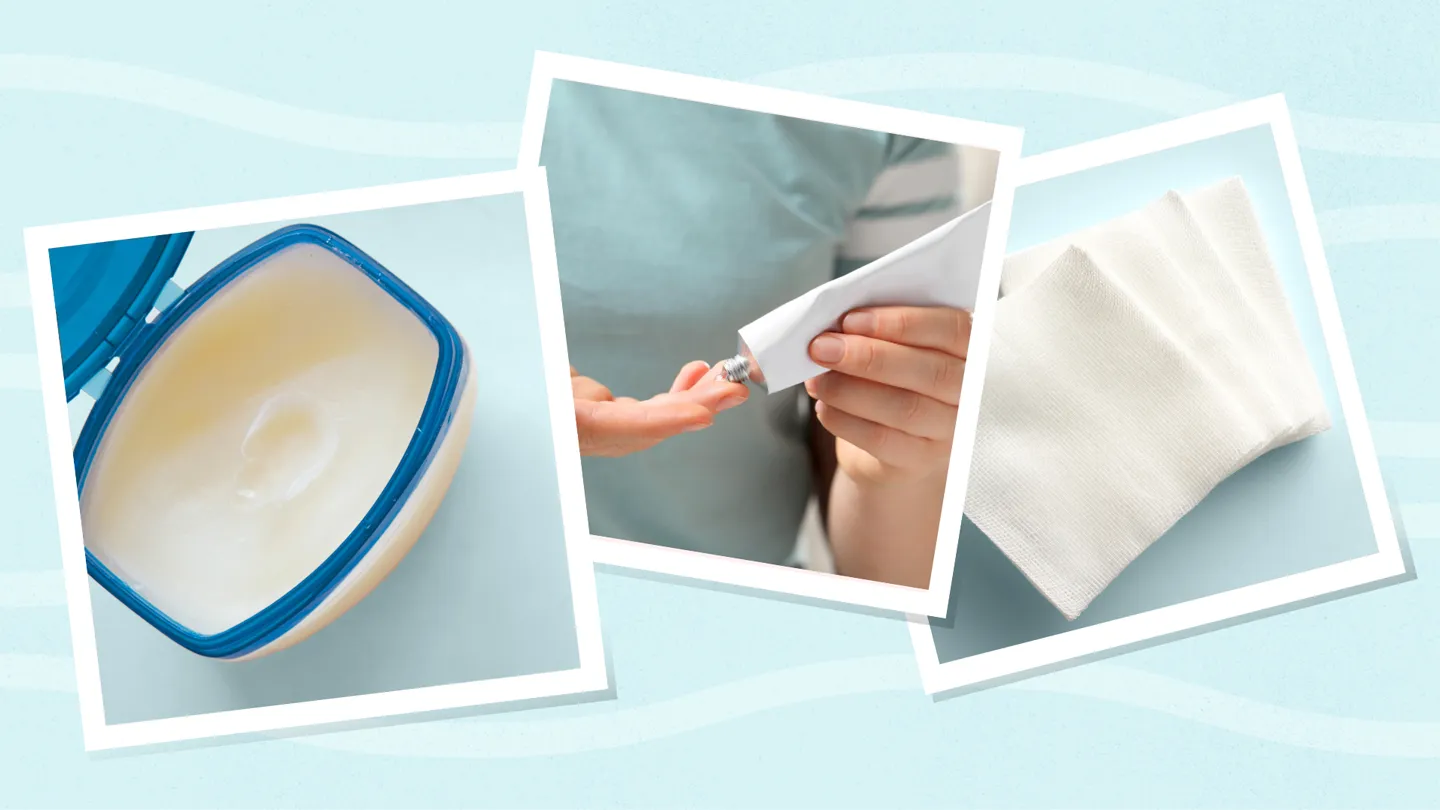
The idea here is to reduce water loss in the skin that contributes to cracking, Wieder says. The catch: If you already have open wounds or fissures, some of these products might hurt to apply. “Sometimes when the skin is very cracked, only occlusives can be tolerated, due to burning from creams or lotions,” she says. In these cases, she recommends a healing ointment such as Vaseline, CeraVe, or Aquaphor.
Always make sure these products are labeled safe for sensitive skin and fragrance free, says Dr. Sitabkhan, so they don’t irritate atopic dermatitis further.
Bleeding is usually minimal. You might notice specks of blood on your sheets in the morning, for example. If you need to stop the bleeding from a minor wound, apply pressure with clean gauze for a minute or two.
“When moisturizers aren’t enough, I prescribe topical corticosteroids that can really help clear up the cracking and fissured skin,” says Wieder.
She opts for ointments over creams to limit discomfort while applying them.
She suggests applying the ointment, wrapping the atopic dermatitis wounds with damp gauze, and then covering it with a dry elastic bandage or cotton glove or sock overnight.
“It will help heal the skin rapidly, and patients will often feel a lot better by the morning,” she says. This wet wrap system is the only kind of bandaging she recommends.
If the wounds are more serious and there are signs of infection, you might need treatment with topical or even oral antibiotics, says Sitabkhan.