

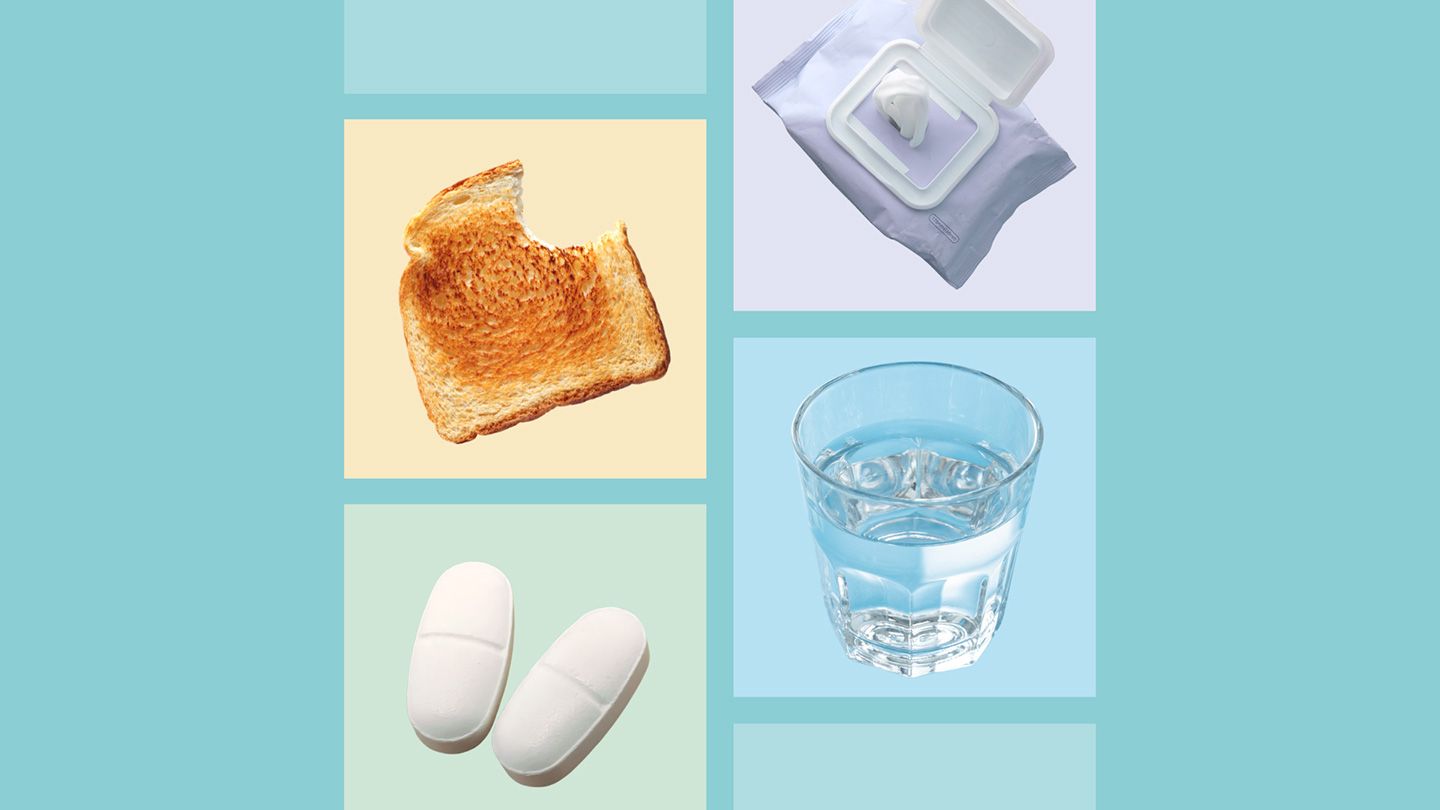
Try the tips below to manage the most common Crohn’s disease symptoms.
Dehydration
Avoid dehydration by making sure you’re getting enough fluids. “The best thing people with Crohn’s disease can do is to be able to make lots of clear urine by drinking plenty of fluids,” says Peter Higgins, MD, PhD, the director of the inflammatory bowel disease program at University of Michigan Health in Ann Arbor.
Drinking at least 2 liters, or about 68 ounces (oz) of water a day can help, but you may need more to make up for any fluid loss due to diarrhea. You should also avoid caffeine and alcohol, which can cause you to lose more fluids through urine than you take in. Ask your doctor if you can stay hydrated well enough on your own or if you need to be rehydrated with intravenous (IV) fluids.
Discomfort From Diarrhea
Frequent bowel movements can create irritation in and around the anus. For relief, try the following:
- Use moistened wipes, making sure they’re alcohol free and safe for sensitive skin.
- Avoid using soap in the area until it heals, as soap can be drying.
- Avoid tight clothing and wear breathable cotton underwear.
- Wash around the anus after bowel movements by using a bidet, showering, or using a moistened wipe.
- Talk to your doctor about whether or not you can use an ointment or barrier cream to help ease itching or pain.
Abdominal Pain
Cramps, bloating, and gas can be painful. Up to 70 percent of people with IBD experience abdominal pain during a flare, and that pain can persist in as many as half of them, even after they achieve remission.
Try these steps to reduce discomfort.
- Eat smaller meals, but eat them more often to get enough calories — the healing process increases your body’s energy requirements.
- Eat refined grains like white bread, pasta, and rice, and low-fiber fruits including bananas and cantaloupe.
- Avoid trigger foods, which differ from person to person, but often include high-fiber foods, anything with lactose, fried foods, caffeine, and alcohol.
Nausea
Talk with your doctor if nausea is keeping you from eating, drinking, or taking medications. Dr. Higgins says that some people might need anti-nausea medications that either dissolve slowly in the mouth, come in patch form, or are available as suppositories. You can also try to relieve nausea naturally by eating foods or drinking herbal teas with ginger, or trying aromatherapy using peppermint oil.
Weight Loss
A Crohn’s disease flare can keep you from eating and drinking enough, and even if you do, your gut may not be absorbing nutrients properly, so weight loss can be a serious concern.
Try these steps to maintain a healthy weight.
- Work with a dietitian on an eating plan for when you are in a flare.
- Look for high-calorie, nutrient-dense foods you can tolerate. Consider peanut butter, bananas, white rice, canned fruits, and cooked fish.
- Make sure you’re getting plenty of protein, as your body requires more protein to heal inflamed tissue.
- Keep a food diary or use a smartphone app to keep track of the calories you take in.
- If you don’t eat enough for more than a few days or you experience rapid weight loss, you may require immediate medical attention, so keep your doctor informed.
Fever
Active inflammation can cause a fever, but this symptom will likely decrease as your treatment starts to work.
Avoid taking nonsteroidal anti-inflammatory drugs (NSAIDs) without your doctor’s approval because they can sometimes upset the digestive system, says Cyrus Tamboli, MD, a gastroenterologist at Jefferson Regional Medical Center in Pine Bluff, Arkansas. Acetaminophen is usually safe as long as you don’t exceed the recommended dosage.
Fatigue
Higgins says fatigue should improve if you stay hydrated, manage your diet, and stick to your treatment plan, which should include maintaining adequate iron and B12 levels.
Mouth Sores
If mouth sores — aka canker sores or mouth ulcers — are part of a Crohn’s disease flare, ask your doctor about using prescription lidocaine jelly to manage discomfort, Higgins says. You might also be advised to use medicinal mouthwash for some mouth sores.
Make sure you don’t do anything to irritate the sores, such as eating acidic, salty, or spicy food or drinks. Eating softer foods might help avoid irritation, as well as using a straw.
Eye Complications
About 10 percent of people with Crohn’s disease experience eye complications, which can include symptoms such as blurred vision, eye pain, dry eye, and sensitivity to light. Make sure your eye doctor knows you have Crohn’s, and ask if treatment may help you manage your symptoms and protect your eyes from inflammation.
These self-care steps should help you feel more comfortable during a flare of Crohn’s disease symptoms.