

:max_bytes(150000):strip_icc():format(jpeg)/razor-burn-on-vag-5213027-final-534ee8e15535471c909f3b98ba956cce.png)
Key Takeaways
- Shaving can sometimes cause razor burn, also known as razor rash. It usually goes away within two to three days.
- Treating the condition by using aloe vera, applying cold compresses, and taking a break from shaving can help symptoms resolve sooner.
- Other conditions may have overlapping symptoms with those seen with razor burn. This includes pubic lice, ingrown hair, and some STIs.
Razor burn near the vagina may occur after shaving to remove hair in what’s often called the bikini area. The sensitive skin of the pubic area can become irritated by using an old razor with a dull blade, shaving in the incorrect direction, shaving dry skin, or shaving too quickly or too often.
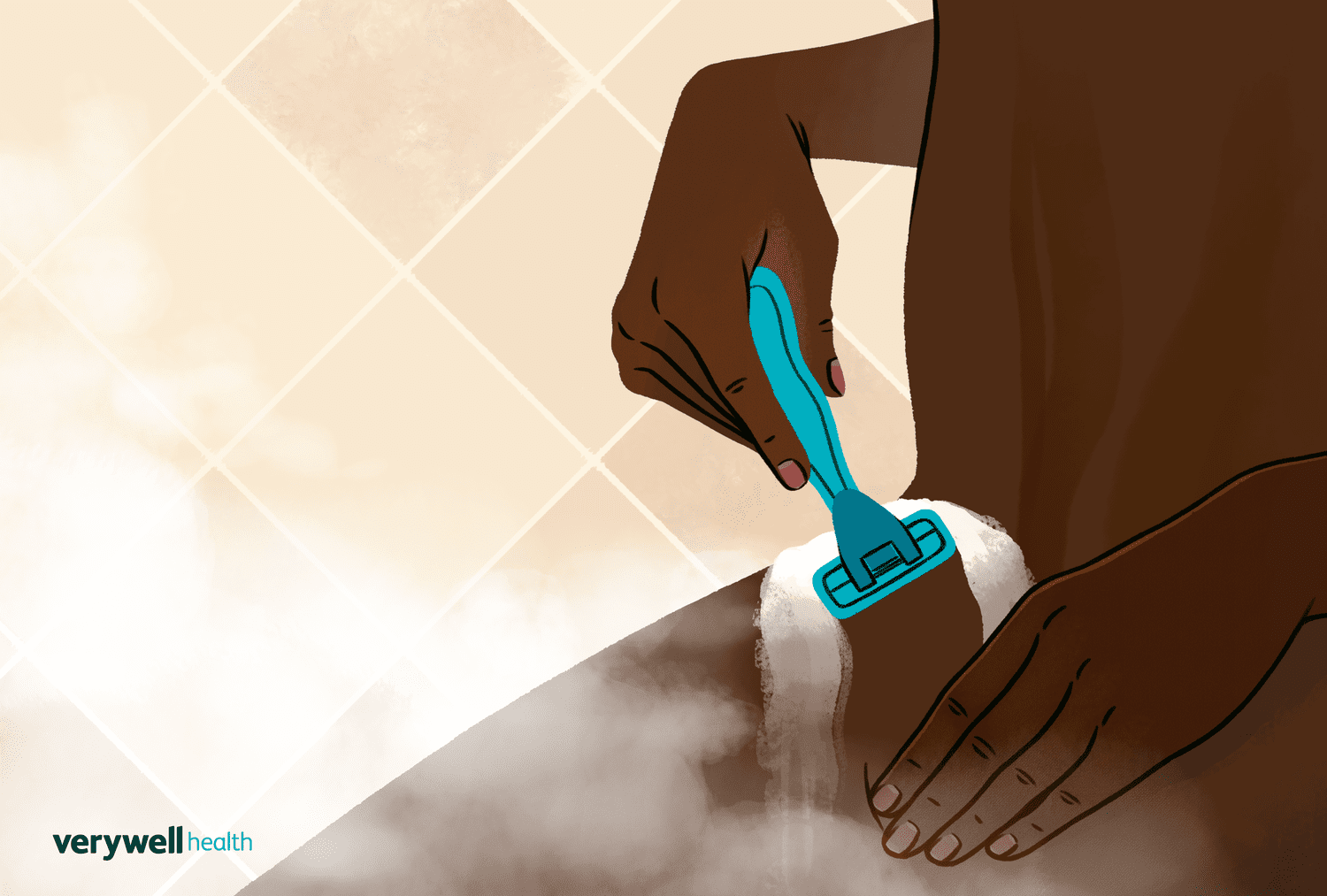
Illustration by Mira Norian for Verywell Health
What Does Razor Burn Look Like?
Razor burn, or razor rash, appears as a red, often itchy rash that can develop after shaving the pubic area. This may include areas near the vagina, such as the outer lips of the vulva, the pubic mound, and the inner thighs.
Besides a red and itchy rash, other symptoms of razor burn that can last for several days include:
Razor burn is one of several risks associated with shaving the pubic area. Some studies suggest an increased risk of injury from pubic hair removal, with some injuries severe enough to require emergency care. From 2002 to 2010, 83% of 11,704 reported cases involved a razor blade.
How to Treat Razor Burn
You can use several methods to treat razor burn, such as:
- Applying cold compresses, like gel packs, to relieve itching, pain, and swelling
- Using tea tree oil or aloe vera, a common remedy for itchy skin
- Applying petroleum jelly externally, found in products like Vaseline or Aquaphor, to help with itching
- Using conditioners and moisturizers; topical beta glucans may especially help with razor burn
- Soaking in an oatmeal bath
Razor bumps in the pubic area, often seen with razor burn, can be treated with over-the-counter topical corticosteroids. See a healthcare provider to discuss your options if the bumps are inflamed or chronic.
If you have razor bumps or burn, stop shaving until it heals. If you must remove pubic hair, clippers that leave about 1 millimeter of hair are a better option.
How to Prevent Razor Burn
Shaving pubic hair is a simple method of hair removal, but following the correct steps can help prevent razor burn:
- Wet the skin. Shaving is best done during a shower or bath.
- Exfoliate. Use a towel to gently remove dead skin cells before shaving.
- Apply shaving cream or gel. Opt for a product for sensitive skin if needed.
- Choose the right razor. Use a sharp razor with multiple blades, or one designed for sensitive skin.
- Follow the grain. Shave in the direction of hair growth.
- Use short strokes. Short, light strokes help minimize irritation.
- Rinse the blade between strokes. Keep it free of shaving cream and hairs for a smooth glide.
- Avoid going over the same area twice. This can cause irritation.
- Rinse with cold water. This helps close the pores.
- Moisturize. Applying a moisturizing cream suitable for sensitive skin to keep the area hydrated.
- Clean your razor. Keep razors clean and dry to limit bacteria growth.
- Replace disposable razors often. Change them after five to seven uses.
Avoid shaving right after a workout or in hot weather when you’ve been sweating. You should also avoid shaving too often to allow the skin time to recover.
After shaving, avoid wearing tight clothing. When fabric rubs against the recently shaved area, it can make irritation worse.
Waxing
Waxing is another method of pubic hair removal. It is a physical method of hair removal that uses hot wax to pull hair from the follicles.
Side effects of waxing can include pain, red bumps, discoloration, and ingrown hairs. While uncommon, infection may also occur. You can limit the burn and other symptoms by:
- Waxing when hair is about 1/4 to 3/4 of an inch long
- Avoiding retinol products for several days before waxing
- Using cold packs on the skin before waxing
- Taking a pain relief medication before waxing
Sugar waxing, also known as sugaring, has also become another popular form of waxing.
Laser Hair Removal
Laser hair removal is another option for removing hair in the pubic area. When done by a licensed professional, it is safe and effective. Though not permanent, laser hair removal can reduce the amount of hair that grows in the pubic area over time.
Depilatory Creams
Gynecologists don’t recommend using depilatory creams in the pubic area. These products dissolve the hair and can be irritating.
Not a Shaving Issue? Other Possibilities
Some other conditions may cause symptoms similar to those seen in cases of razor burn, including sexually transmitted infections (STIs), yeast infections, ingrown hair, and pubic lice. Some studies warn of an increased risk of STIs due to the potential of skin exposure after shaving the pubic area.
However, the scientific evidence is unclear, and a 2019 study found no increased risk of gonorrhea or chlamydia infection (the two most common STIs in the United States) among those who groom pubic hair.
STIs
STIs are infections transmitted via sex. An STI that may appear similar to razor burn is genital herpes. Genital herpes is accompanied by symptoms that razor burn is not, though, including:
If this is your first outbreak, you can get the above symptoms. All the following outbreaks will look similar to razor burn but will be significantly more painful and last longer.
If you think your rash may be caused by herpes, talk to a healthcare provider to get a proper diagnosis and treatment.
Yeast Infection
Candidiasis, more commonly known as a yeast infection, is a fungal infection triggered by a type of yeast called Candida. While Candida naturally occurs on both the skin and within the body, it becomes an issue when it overgrows.
A yeast infection can occur in many places throughout the body, including the vagina and vulva. A vaginal yeast infection won’t give you the same symptoms as a razor burn, but a yeast skin infection of the vulva may present similarly to a razor burn.
Ingrown Hair
An ingrown hair is a strand of hair that grows back into the root after shaving, tweezing, or waxing. Ingrown hairs often look similar to acne but are an entirely different skin condition.
Those with curly or thicker hair are more prone to having ingrown hairs. That said, there are ways to prevent ingrown hairs, such as using proper hair removal techniques, including applying shaving cream, using single-blade razors, and using warm water to shave.
If you have an ingrown hair, treatment options include:
- Taking a break from hair removal: Stop shaving. This gives your hair the chance to grow back fully and correctly.
- Using topical clindamycin: Topical clindamycin can help soothe inflammation.
Pubic Lice
Pubic lice, also known as crabs, is primarily spread through sexual contact. Pubic lice’s main symptom is itching, caused by a reaction to the parasite’s saliva. This itchiness increases in intensity as the infestation worsens.
Pubic lice can be treated with a variety of topical medications. There are both over-the-counter and prescription options.
Keep in mind that apart from issues surrounding razor burn near the vagina, removing hair from the pubic area (including by waxing) may actually help with a lice infection.