

:max_bytes(150000):strip_icc():format(jpeg)/GettyImages-588286086-d093092597964b82903d6c7aa0f8d80e.jpg)
Key Takeaways
- Cutting out added sugars can lower your risk of diabetes, heart disease, and obesity.
- A no-sugar diet focuses on whole foods like fruits, vegetables, and lean proteins.
- Men should have no more than 9 teaspoons of added sugar a day, and women should have no more than 6 teaspoons.
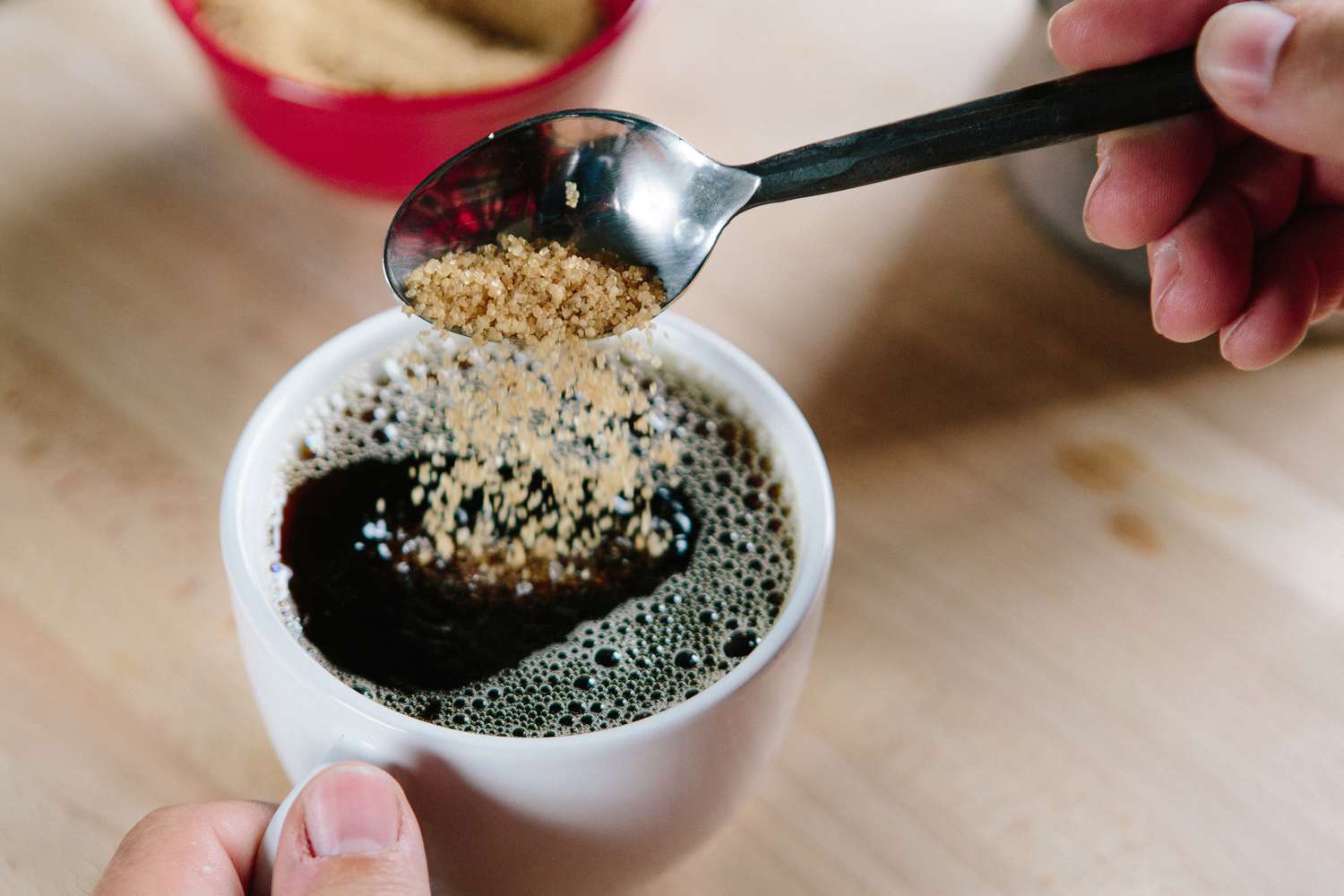
A no-sugar diet helps you steer clear of added sugars, reducing the likelihood of serious health conditions like diabetes and heart disease. Explore how to start a no-sugar diet with a sample meal plan and transform your eating with practical guidance and expert tips.
Glasshouse Images / Getty Images
How a No-Sugar Diet Works
A no-sugar diet focuses on eliminating added sugar and limiting foods with natural sugars.
Follow the American Heart Association (AHA) guidelines for sugar to stay healthy:
- For men, the recommended daily limit of added sugar is no more than 9 teaspoons, equivalent to 36 grams (g) or 150 calories.
- Women should aim for an even lower threshold, limiting their added sugar intake to 6 teaspoons, which translates to 25 g or 100 calories per day.
For example, a 12-ounce can of soda contains 8 teaspoons, or 32 grams, of added sugar.
The AHA suggests keeping added sugars to 6% or less of your daily calories. The U.S. Department of Agriculture’s (USDA) 2025–2030 Dietary Guidelines for Americans advises calls for added sugars to be no more than 10 grams per meal.
Common sources of added sugars include:
- Sugary drinks (soft drinks, fruit juice, energy drinks)
- Sweetened coffee and tea
- Flavored and sweetened milk
- Candy
- Ice cream and other desserts
- Breakfast cereals and breakfast bars
- Sweetened yogurts
It is important to distinguish that sugars naturally occurring in foods such as fruits and dairy products are not classified as added sugars under these recommendations.
Examples of nutrient-dense foods with no added sugars include:
- Vegetables
- Whole grains
- Seafood
- Eggs
- Legumes (such as beans and lentils)
- Unsalted nuts and seeds
- Unsweetened dairy products
- Lean cuts of meat and poultry
The AHA and the USDA emphasize the importance of minimizing sugar and eating nutrient-rich foods and drinks that offer valuable vitamins, minerals, and other health-enhancing elements while maintaining low added sugars.
Duration
The duration of a no- or low-sugar diet depends on factors such as your current health status, your weight-management goals, and any underlying medical conditions.
It’s important to note that while a no-sugar or low-sugar diet may offer various health benefits, it’s essential to consult with a healthcare provider or registered dietitian before making significant dietary changes to ensure it aligns with your individual health goals and needs.
Some people may choose to follow a no- or low-sugar diet for a short time, such as a few weeks or a month. Others may adopt a no- or low-sugar diet as a long-term lifestyle choice. This type of diet can be especially important for individuals with diabetes, insulin resistance (when cells don’t respond well to insulin and can’t take up glucose from the blood), or obesity, in which managing sugar intake is crucial for overall health.
7-Day No-Sugar Menu
To start a no- or low-sugar diet, it may help to plan your meals for a week. It is crucial to prioritize the consumption of a diverse array of fruits and vegetables. It also means opting for whole grains as the foundation of your grain intake and favoring protein sources that are predominantly plant-based, such as legumes and nuts, alongside fish and seafood.
Here’s a sample seven-day meal plan focused on whole, unprocessed foods. It includes various nutrient-rich options aligning with the AHA and USDA guidelines with low or no added sugars. Talk to your healthcare provider or dietitian before starting a new diet plan to make sure it is healthy for you.
Day 1:
- Breakfast: Scrambled eggs with spinach and tomatoes, and a small serving of plain Greek yogurt with a handful of fresh berries
- Lunch: Grilled chicken breast with a side salad (lettuce, cucumber, and bell peppers) dressed with olive oil and vinegar
- Dinner: Baked salmon with steamed broccoli and quinoa
Day 2:
- Breakfast: Oatmeal made with rolled oats, unsweetened almond milk, and sliced almonds, with a sprinkle of cinnamon and a few slices of fresh apple (keep the portion small)
- Lunch: Turkey and avocado lettuce wraps with a side of carrot and celery sticks
- Dinner: Tofu stir-fry with mixed vegetables (broccoli, bell peppers, and snap peas) in a low-sodium soy sauce
Day 3:
- Breakfast: Cottage cheese with sliced peaches (in moderation) and a sprinkle of chopped nuts
- Lunch: Lentil and vegetable soup
- Dinner: Grilled shrimp with a side of roasted Brussels sprouts and brown rice
Day 4:
- Breakfast: Smoothie with unsweetened almond milk, spinach, a scoop of protein powder, and a small amount of berries
- Lunch: Quinoa salad with chickpeas, diced cucumber, and a lemon-tahini dressing
- Dinner: Baked chicken thighs with asparagus and mashed cauliflower
Day 5:
- Breakfast: Scrambled eggs with sautéed mushrooms and a side of sliced avocado with whole-grain toast
- Lunch: Spinach and kale salad with grilled chicken, cherry tomatoes, and a vinaigrette dressing
- Dinner: Baked cod with roasted sweet potatoes and steamed green beans
Day 6:
- Breakfast: Full-fat plain yogurt with chia seeds and a few raspberries
- Lunch: Zucchini noodles (zoodles) with pesto sauce and grilled shrimp
- Dinner: Beef and vegetable stir-fry with a homemade, low-sugar stir-fry sauce
Day 7:
- Breakfast: Sliced turkey breast wrapped around avocado slices
- Lunch: Cabbage and carrot slaw with grilled salmon and a light vinaigrette dressing
- Dinner: Baked chicken breast with a side of roasted mixed vegetables (zucchini, bell peppers, and red onion) and quinoa
For snacks, consider raw nuts, celery sticks with almond butter, or cucumber slices with hummus. Try to minimize processed foods as much as possible and always check food labels for hidden sugars.
What Are Hidden Sugars?
Hidden sugars refer to added sugars found in unexpected places, such as condiments, sauces, canned goods, protein bars, and other processed foods. The best way to check for added sugars is to read the nutrition label. Simply look for “added sugars” under “total sugars.”
If a Nutrition Facts panel is not provided, check the list of ingredients for items like:
- Sugars (cane sugar, confectioner’s sugar, turbinado sugar)
- Glucose, fructose, lactose, maltose, dextrose, and sucrose
- Syrups (corn syrup, high-fructose corn syrup, rice syrup)
- Molasses
- Caramel
- Juice
- Honey
- Agave
Tips to Cut Down on Sugar
Consuming a no- or low-sugar diet may be easier with some of the following tips:
- Eliminate table sugar, syrup, honey, and molasses from your kitchen.
- Reduce sugar in cereal and coffee.
- Replace soda with water or diet drinks.
- Opt for fresh, frozen, or canned fruits (Choose fruits in water, not syrup.)
- Reduce sugar in baking recipes.
- Use extracts (vanilla, almond) instead.
- Spice up foods without sugar.
- Swap in unsweetened applesauce.
Benefits of Following a No-Sugar Diet
There is evidence that cutting down on added sugars in our diets can lead to better health outcomes and save a lot of money in healthcare costs in the long run. Some benefits include the following:
- Reduced risk of obesity and aids in weight management
- Improved heart health
- Blood sugar regulation and decreased chance of type 2 diabetes
- Reduced risk of liver disease
- May lower the risk of depression
- May reduce acne severity in some people
- More stable and consistent energy levels and improved alertness
Can You Lose Weight Just by Not Eating Sugar?
Significantly reducing sugar from your diet can be an effective strategy for weight loss. Cutting down on added sugar can decrease your overall calorie intake, reduce cravings for processed sugar, and improve energy levels.
Considerations When Choosing Less Sugar
Diabetes is a chronic medical condition involving elevated levels of glucose (sugar) in the blood. It results from either the body’s inability to produce enough insulin (type 1 diabetes) or the body’s ineffective use of insulin (type 2 diabetes).
To effectively manage your blood sugar levels, your healthcare provider may recommend reducing your consumption of high-sugar and carbohydrate-rich foods and beverages.
Those with diabetes may be advised to reduce their consumption of refined carbohydrate sources such as:
- White rice
- Tortillas
- Bread made from white flour
- Pasta
- Starchy vegetables like white potatoes, corn, and peas
What to Expect During Sugar Withdrawal
During the first few days of a sugar detox, you may experience temporary sugar withdrawal symptoms. These symptoms may include:
- Cravings for sugary foods
- Headaches
- Fatigue
- Irritability
- Changes in mood
- Decreased concentration
Verdict on Artificial Sweeteners
In May 2023, the World Health Organization (WHO) issued revised guidelines regarding artificial sweeteners, advising people not to use them to manage body weight.
The WHO’s guidelines stem from a comprehensive analysis of existing evidence, which indicates that the sustained use of artificial sweeteners does not help with fat reduction, whether in adults or children.
Furthermore, the review’s outcomes propose that prolonged artificial sweetener consumption may have negative consequences, including:
- An elevated susceptibility to type 2 diabetes
- Cardiovascular disease
- An increased mortality risk in adults
Emerging research also suggests that calorie-free sweeteners can potentially disrupt the brain’s appetite signals and lead to increased appetite.
No-Sugar vs. Anti-Inflammatory Diet
An anti-inflammatory diet, such as the Mediterranean diet, aims to reduce inflammation in the body by promoting the consumption of foods rich in anti-inflammatory compounds like omega-3 fatty acids, antioxidants, and phytonutrients.
While a no-sugar diet may indirectly contribute to reduced inflammation by cutting out sugary, pro-inflammatory foods, an anti-inflammatory diet includes a broader range of foods that actively combat inflammation.
Similarities between the two diets lie in their potential to promote overall health and well-being. Both diets encourage the consumption of whole, unprocessed foods like fruits, vegetables, and lean proteins.