

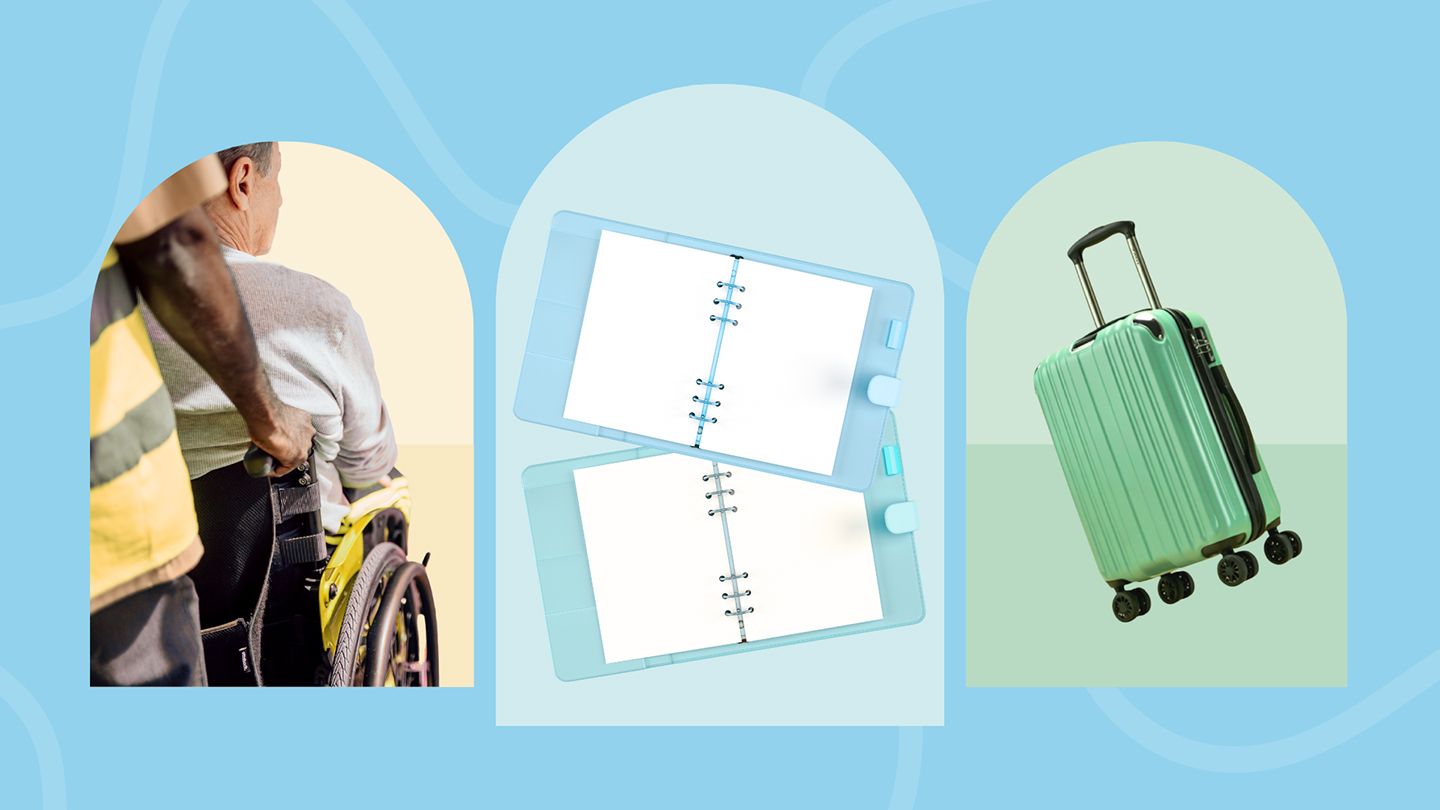
There’s no getting around the facts — travel with MS is not without obstacles, and it’s understandable to feel intimidated or even give up on the idea completely.
If those feelings come up, it can be helpful to dig into that feeling and get more specific about what’s actually standing in the way, says Kathy Zackowski, PhD, associate vice president of research at the National Multiple Sclerosis Society. “Instead of thinking, I just can’t travel anymore, it can help to ask, ‘What part of travel feels hardest right now?’” Dr. Zackowski says.
For example, is it being alone and worrying you might need backup? Is it carrying luggage? Is it heat? Is it walking long distances? “Once you identify the specific barrier, you can often work toward a solution,” says Zackowski.
Because MS affects people in very different ways, no single strategy will work for everyone, says Zackowski. However, breaking down your individual concerns into manageable pieces and addressing them one by one can help turn your dream vacation into a reality.
Fatigue and Lack of Energy
Fatigue is the top concern about traveling with MS, says Dirks. People may start the day with less energy and take longer to recharge, which means long travel days, busy itineraries, and unfamiliar environments can be especially draining.
Pacing strategies are an important part of the equation, says Dirks. “It will be important to know the rate at which your individual battery drains and recharges, and to be aware of any signs you might feel to prevent a crash. Pacing yourself is key, particularly when navigating a new environment,” she says.
The good news: Even though the setting will be unfamiliar, many of the same energy-saving strategies you use at home can be just as helpful while traveling, says Zackowski.
Mobility Challenges
Mobility concerns vary widely in MS, but they can affect how safe and comfortable travel feels. Long walks through airports, uneven streets and stairs, and handling luggage may require extra planning.
Asking for assistance isn’t a cop-out, Zackowski says. Airport wheelchair or cart services can help conserve energy for the parts of the trip you want to enjoy.
Heat Sensitivity
Heat sensitivity is a common and sometimes underestimated travel barrier. Warm weather, crowds, and long days outdoors can temporarily worsen MS symptoms and increase fatigue.
“Dress in layers and consider purchasing items that help regulate temperature, such as a cooling vest, cooling towel, cooling collar, or personal fan,” says Dirks.
Bladder Concerns
Bladder dysfunction is common in MS and can add stress when traveling.
Wherever your travels take you, paying attention to where the nearest and most accessible bathrooms are will be very important, says Dirks.