If you have hypertrophic cardiomyopathy (HCM) , and especially if you have obstructive HCM that reduces blood flow out of your heart, you and your doctor may discuss ways to lower your risk of sudden cardiac death . One option is an implantable cardioverter defibrillator (ICD). There are two main types of these devices for HCM, and one may be better for you than the other. “Both serve the same purpose: monitoring heart rhythm and delivering shocks to stop dangerous heart rhythms and prevent sudden cardiac death,” says Ryan Gindi, MD , a cardiologist with Henry Ford Health in Detroit. Other options, such as a pacemaker or an implantable loop recorder, also could fit your situation.
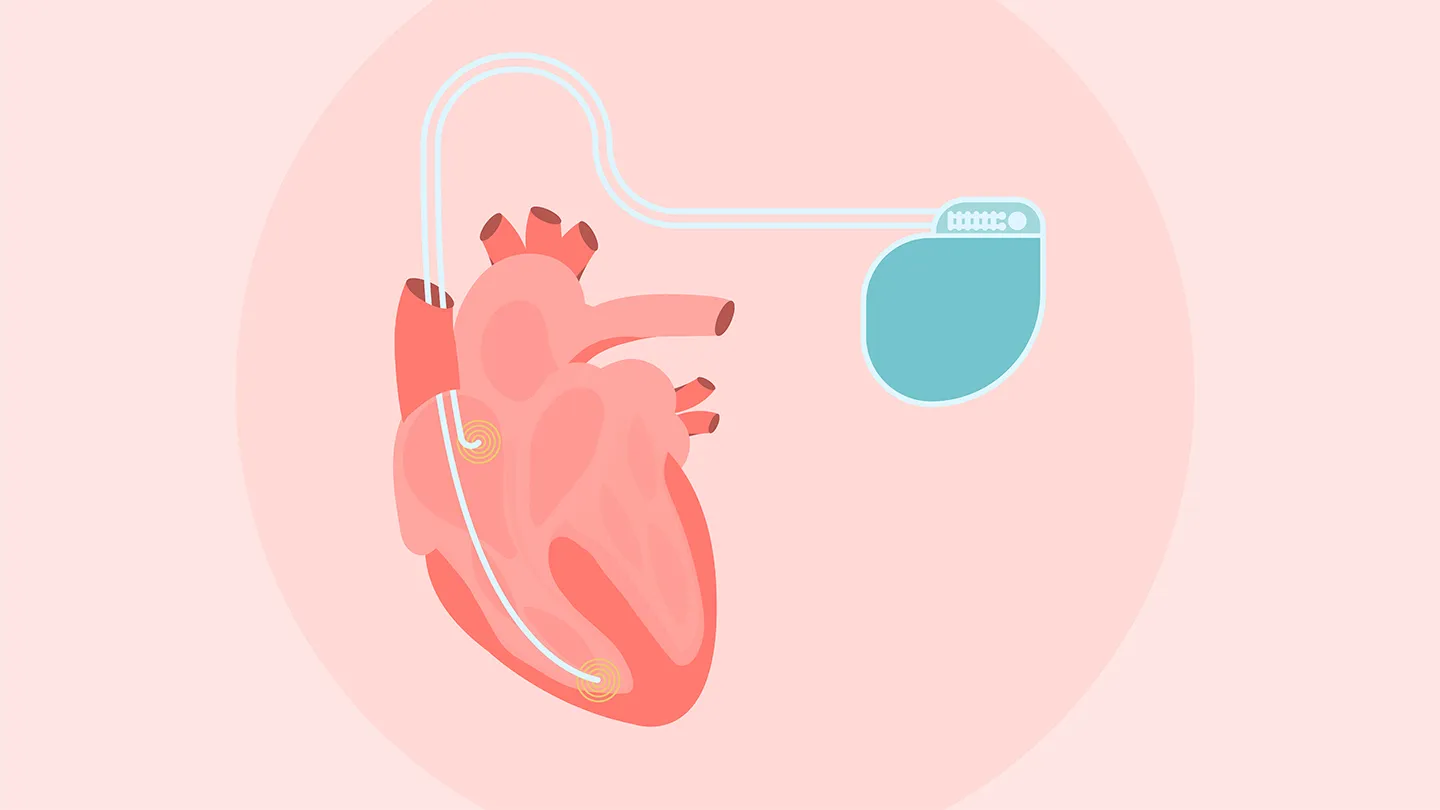
Transvenous ICD Transvenous ICD A transvenous ICD is a small, battery-powered device that’s implanted under your skin near your collarbone and connected to your heart. The device keeps constant tabs on your heartbeat and sends a shock to reset your heartbeat if it gets too fast or too slow.e60dc2a1-f33c-4a05-9b50-8e3e8e597629815bd9a3-7f6f-403a-98f4-d6c7abed827e It can reduce your risk of sudden cardiac death.e60dc2a1-f33c-4a05-9b50-8e3e8e59762993e85017-73d3-471a-870a-e3b713fd7a4b How It Works A transvenous ICD includes a pulse-generating device that connects to your heart through your veins using wires, or leads. If the pulse generator senses a heart rate that’s too fast, it delivers a shock to correct it.e60dc2a1-f33c-4a05-9b50-8e3e8e597629815bd9a3-7f6f-403a-98f4-d6c7abed827e It also can send a low-energy pacing charge to keep your heart beating as it should if it starts to beat too slow.e60dc2a1-f33c-4a05-9b50-8e3e8e597629d44564f5-e319-4855-adf8-4dc5c2e24cc4 Your ICD usually works behind the scenes, and you won’t typically feel it monitoring your heart rate. But shocks can be unpleasant. Some people describe it as feeling like they’re being kicked in the chest. The discomfort only lasts for a few seconds, though.e60dc2a1-f33c-4a05-9b50-8e3e8e597629815bd9a3-7f6f-403a-98f4-d6c7abed827e Transvenous ICDs are implanted with surgery, usually under sedation. While they’re generally safe and effective, they can come with risks, including:e60dc2a1-f33c-4a05-9b50-8e3e8e5976293b71802a-f2b2-416f-aeeb-c6607f980b54e60dc2a1-f33c-4a05-9b50-8e3e8e59762996ad0ef8-5b45-4a5e-b290-bb3546cf66dc Lead failure (20 percent risk after 10 years) Complications from lead replacement Infection Device malfunction Inappropriate shocks, or shocks when your heart rate is normal, in rare cases Who Is a Transvenous ICD For? ICDs are generally recommended if you have HCM and have had cardiac arrest or are at high risk for sudden cardiac death. Your cardiologist will look at your heartbeat, imaging-test results, family history, and symptoms to figure out if an ICD is right for you.e60dc2a1-f33c-4a05-9b50-8e3e8e597629815bd9a3-7f6f-403a-98f4-d6c7abed827e Transvenous ICDs also may be recommended if you have pacemaking needs, Dr. Gindi says. These ICDs typically last 15 to 20 years. So they’re often the first choice for older adults whose life expectancy is 25 years or less, if they can tolerate the infection risk, says Lu Chen, MD , a cardiac electrophysiologist at MemorialCare Heart and Vascular Institute at Orange Coast Medical Center in Fountain Valley, California.
Subcutaneous ICD Subcutaneous ICD Newer than transvenous ICDs, subcutaneous ICDs work in a similar way. These devices are implanted under your skin near your armpit. An electrode is placed in the tissue to the left of your breastbone, not directly in your heart. Their leads do not go through veins.e60dc2a1-f33c-4a05-9b50-8e3e8e59762957cd5301-6d36-4840-a9cf-f8bc2f3e6516 How It Works Subcutaneous ICDs have a pulse generator and an electrode sensor. Although the sensor isn’t actually inside your heart, it’s close enough to sense abnormal electrical activity and deliver shocks when needed. Subcutaneous ICDs can pick up heartbeats that are too fast but not ones that are too slow.e60dc2a1-f33c-4a05-9b50-8e3e8e597629fcf4e5f9-5e13-42c2-b6ab-6499d713e419 Unlike transvenous ICDs, they can’t be used as pacemakers.e60dc2a1-f33c-4a05-9b50-8e3e8e59762957cd5301-6d36-4840-a9cf-f8bc2f3e6516 Subcutaneous ICDs are often as effective as transvenous ICDs in preventing sudden cardiac death in people with HCM. They may malfunction less often than transvenous ICDs, and they have the same likelihood of inappropriate shocks.e60dc2a1-f33c-4a05-9b50-8e3e8e597629b96983d1-e01d-415d-af43-2146542bc0ff Implanting a subcutaneous ICD also is slightly less invasive than a transvenous ICD, because leads aren’t placed in your heart. But the procedure still involves general anesthesia or twilight sedation and, in some cases, an overnight stay in the hospital.e60dc2a1-f33c-4a05-9b50-8e3e8e597629fcf4e5f9-5e13-42c2-b6ab-6499d713e419 Who Is a Subcutaneous ICD For? Subcutaneous ICDs are considered a suitable option for most people with HCM, especially those for whom the leads in a transvenous ICD pose a risk.e60dc2a1-f33c-4a05-9b50-8e3e8e597629b96983d1-e01d-415d-af43-2146542bc0ff They’re not for people who may get too-slow heartbeats and need a pacemaker. They’re also slightly bigger than transvenous ICDs (about the size of a box of raisins), so they may not fit smaller bodies.e60dc2a1-f33c-4a05-9b50-8e3e8e597629fcf4e5f9-5e13-42c2-b6ab-6499d713e419 The battery life of a subcutaneous ICD also is usually lower than that of a transvenous ICD.e60dc2a1-f33c-4a05-9b50-8e3e8e5976295d0d3b0c-f3fa-44de-aaa1-a7a3d2632430 “I tend to use it in younger patients, patients with [an] elevated risk of infection or lack of vascular access, or patients with no pacing needs,” Dr. Chen says.
Pacemaker Pacemaker Unlike ICDs, pacemakers are not defibrillators. These small battery-powered devices monitor your heart rate and send out a milder electrical signal to boost a heart rate that’s dropping too low.e60dc2a1-f33c-4a05-9b50-8e3e8e5976294b17ee86-862e-438a-9a63-cbed01d10f74 A pacemaker is usually implanted under the skin near your collarbone.e60dc2a1-f33c-4a05-9b50-8e3e8e5976295a9cda96-93bd-4278-970b-21885fff5554 How It Works Similar to a transvenous ICD, a pacemaker typically has a pulse generator and a wire lead that’s connected to your heart to track its rhythm. If your heart rate becomes too slow, the pacemaker delivers an electrical impulse to increase it. One type of pacemaker, called a leadless pacemaker, attaches to the wall of your heart and has no leads.e60dc2a1-f33c-4a05-9b50-8e3e8e5976294b17ee86-862e-438a-9a63-cbed01d10f74 Permanent pacemakers are implanted with surgery, either through a thin, flexible tube called a catheter, through a vein in your collarbone, or via an incision. Temporary pacemakers may reside outside your body and are usually used in emergencies, such as after a heart attack.e60dc2a1-f33c-4a05-9b50-8e3e8e597629ffba0ac2-c542-4ab3-aeb0-5d5927907e3e Pacemakers are considered relatively safe and have a low risk for complications. But these devices can malfunction or raise your risk of blood clots.e60dc2a1-f33c-4a05-9b50-8e3e8e5976294b17ee86-862e-438a-9a63-cbed01d10f74 Who Is a Pacemaker For? Pacemakers aren’t typically used to treat HCM. Transvenous ICDs offer pacemaking while also lowering the risk for sudden cardiac death, which pacemakers are not explicitly designed to do. They can, however, reduce symptoms of slow heartbeats, such as fatigue, dizziness, and fainting.e60dc2a1-f33c-4a05-9b50-8e3e8e5976295a9cda96-93bd-4278-970b-21885fff5554e60dc2a1-f33c-4a05-9b50-8e3e8e597629be55856f-5a06-4104-bf40-770c28a9955b Gindi says you may need a pacemaker if you have: A heart block or a change in the heart’s electrical signaling An HCM surgery such as alcohol septal ablation or septal myectomy
Implantable Loop Recorder Implantable Loop Recorder Implantable loop recorders are less than 2 inches long and are placed under the skin of your chest to monitor your heartbeat. They basically record information about your heart and send it wirelessly to your cardiology team.e60dc2a1-f33c-4a05-9b50-8e3e8e597629d84b47d3-c847-4d83-85fa-39f2391ceea3 Unlike ICDs and pacemakers, implantable loop recorders don’t defibrillate or correct your heart’s rhythm, so they aren’t a treatment for HCM. But your cardiologist may recommend getting the device to track your heartbeat temporarily and to use that information to decide on an appropriate treatment plan.e60dc2a1-f33c-4a05-9b50-8e3e8e597629d84b47d3-c847-4d83-85fa-39f2391ceea3
The Takeaway If you have a high risk of sudden cardiac death with hypertrophic cardiomyopathy (HCM), your doctor may recommend an implantable cardioverter defibrillator (ICD), which delivers a shock when your heart is racing dangerously. A transvenous ICD uses wires threaded through your veins and into your heart, allowing it to shock a racing heart back to normal or to pace a heart that is beating too slowly. A subcutaneous ICD sits under your skin without touching your heart or veins; the procedure to implant it is less invasive, but the device can’t correct a slow heartbeat. Your doctor may also recommend other devices. For instance, a pacemaker isn’t a defibrillator, but it can increase a heartbeat that is too slow. An implantable loop recorder doesn’t treat heart issues, but it can help your doctor devise a treatment plan.
Resources We Trust Cleveland Clinic: Hypertrophic CardiomyopathyHypertrophic Cardiomyopathy Association: Subcutaneous Implantable Cardioverter Defibrillator (ICD) Johns Hopkins Medicine: Implantable Cardioverter Defibrillator (ICD) InsertionNational Heart, Lung, and Blood Institute: How Do Defibrillators Work? StatPearls: Sudden Cardiac Death
Hypertrophic Cardiomyopathy (HCM) and Implantable Devices: What to Know About ICDs (and Other Options)