

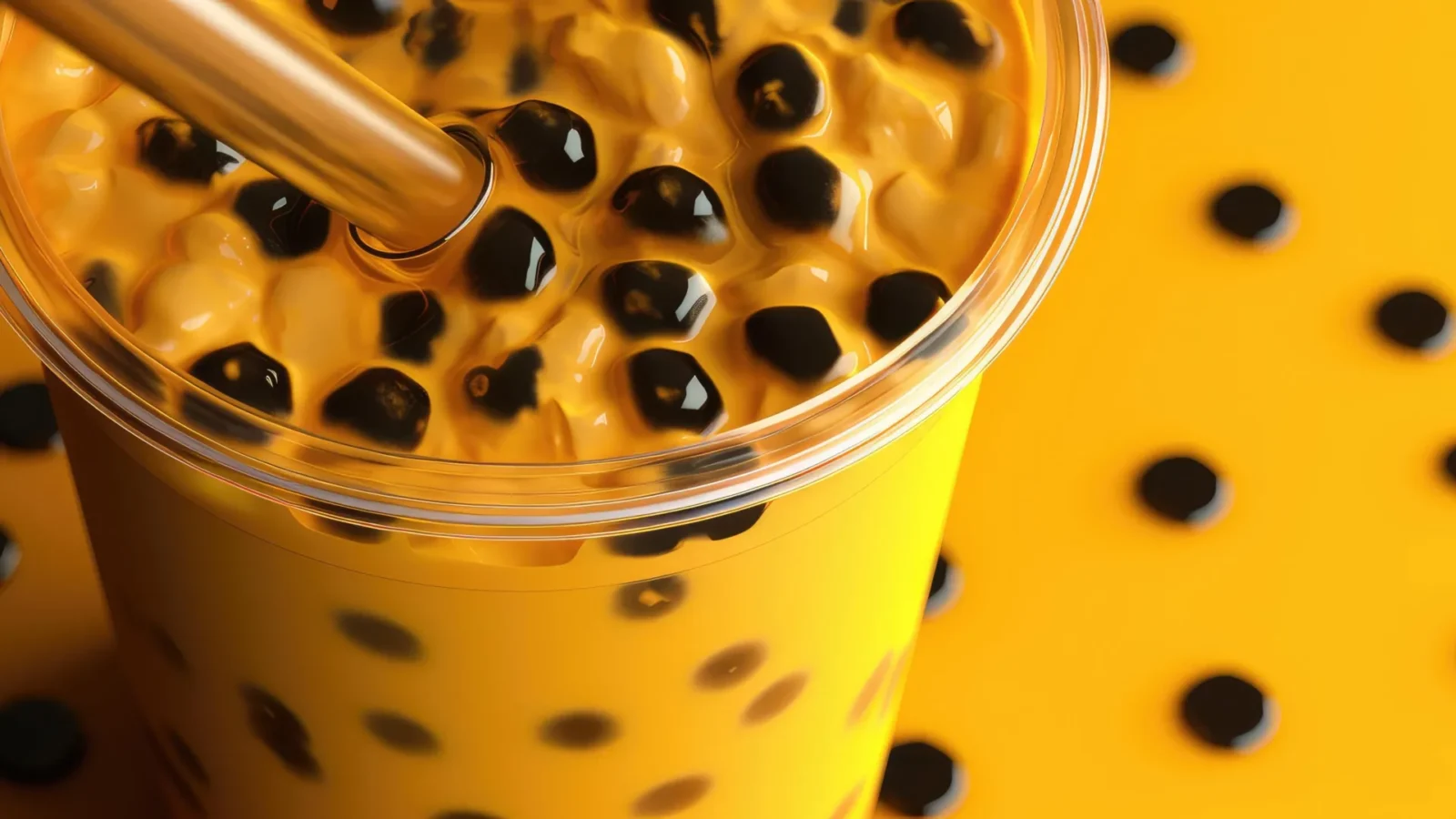
Bubble tea shops are now nearly as common on British high streets as coffee chains, drawing crowds with colorful, photo friendly drinks in endless flavor combinations. The Taiwanese beverage, which blends black tea, milk, sugar, and chewy tapioca pearls, has spread worldwide since it first appeared in the 1980s. Yet growing evidence suggests this popular treat may come with health concerns that deserve attention.
An investigation by Consumer Reports found elevated lead levels in some bubble tea products sold in the United States, raising concerns similar to past warnings about cassava based foods. Tapioca pearls are made from cassava starch, and cassava plants are known to absorb lead and other heavy metals from the soil as they grow. That ability means contamination can make its way into the final product.
Digestive Risks From Tapioca Pearls
Beyond potential heavy metal exposure, the pearls themselves may create digestive problems. Because they are dense and starchy, eating large amounts can slow the rate at which the stomach empties, a condition known as gastroparesis, or in rare situations, cause a complete blockage.
These complications can trigger nausea, vomiting, and abdominal pain. People who already have sluggish digestion may experience more severe symptoms. Guar gum, a thickener often added to bubble tea and generally safe in small quantities, may also contribute to constipation when consumed frequently.
Kidney Stones and Ingredient Concerns
Bubble tea may also affect kidney health. In 2023, doctors in Taiwan removed more than 300 kidney stones from a 20 year old woman who had reportedly been drinking bubble tea instead of water. Some ingredients in the drink, including oxalate and high phosphate levels, can promote the formation of kidney stones. Still, this case likely involved unusually heavy consumption.
For younger children, the danger can be more immediate. Pediatricians have long warned that tapioca pearls can pose a choking hazard. Adults face risks as well. Media reports in Singapore described a 19-year-old woman who died after inhaling three pearls while trying to suck through a partially blocked straw. In another case, quick action by bystanders prevented a similar tragedy.
High Sugar Content and Long Term Health Effects
Sugar levels present another concern. A typical serving of bubble tea contains between 20 and 50g of sugar, an amount that matches or even exceeds a can of Coca-Cola (35g). Research in Taiwan found that by age nine, children who drank bubble tea regularly were 1.7 times more likely to develop cavities in their permanent teeth.
In California, public health experts have identified the drink as one factor contributing to rising obesity rates among young people, even though many teens and young adults are unaware of the potential risks. The combination of high sugar and fat increases the chances of developing type 2 diabetes, obesity, and metabolic disease. Over time, frequent intake may also play a role in fatty liver disease, similar to other sugary products that spike blood sugar and encourage fat storage in the liver.
Possible Mental Health Links
Some of the most unexpected findings involve mental health. Studies of children in China who frequently drink bubble tea have found higher rates of anxiety and depression. Research involving Chinese nurses reported similar associations in adults, linking regular bubble tea consumption to anxiety, depression, fatigue, job burnout, and lower overall well-being, even after accounting for other variables. The same study found that people who drank less bubble tea reported fewer thoughts of suicide, although proving a direct cause and effect relationship remains challenging.
Tapioca Pearls Showing Up on Medical Scans
Doctors have also observed an unusual side effect. Tapioca pearls have appeared on imaging scans of patients who were hospitalized for unrelated reasons.
Physicians treating patients after car crashes or appendicitis have spotted clusters of pearls in the stomach and intestines. Because the pearls are denser than surrounding tissue and resemble small stones, they can sometimes complicate diagnosis by mimicking kidney or gallstones.
None of this means bubble tea needs to disappear from menus. However, the evidence suggests it may be wiser to treat it as an occasional indulgence rather than a daily staple. If you do choose to enjoy one, skipping the wide straw and sipping directly from the cup may reduce choking risk and give you more control while drinking.
