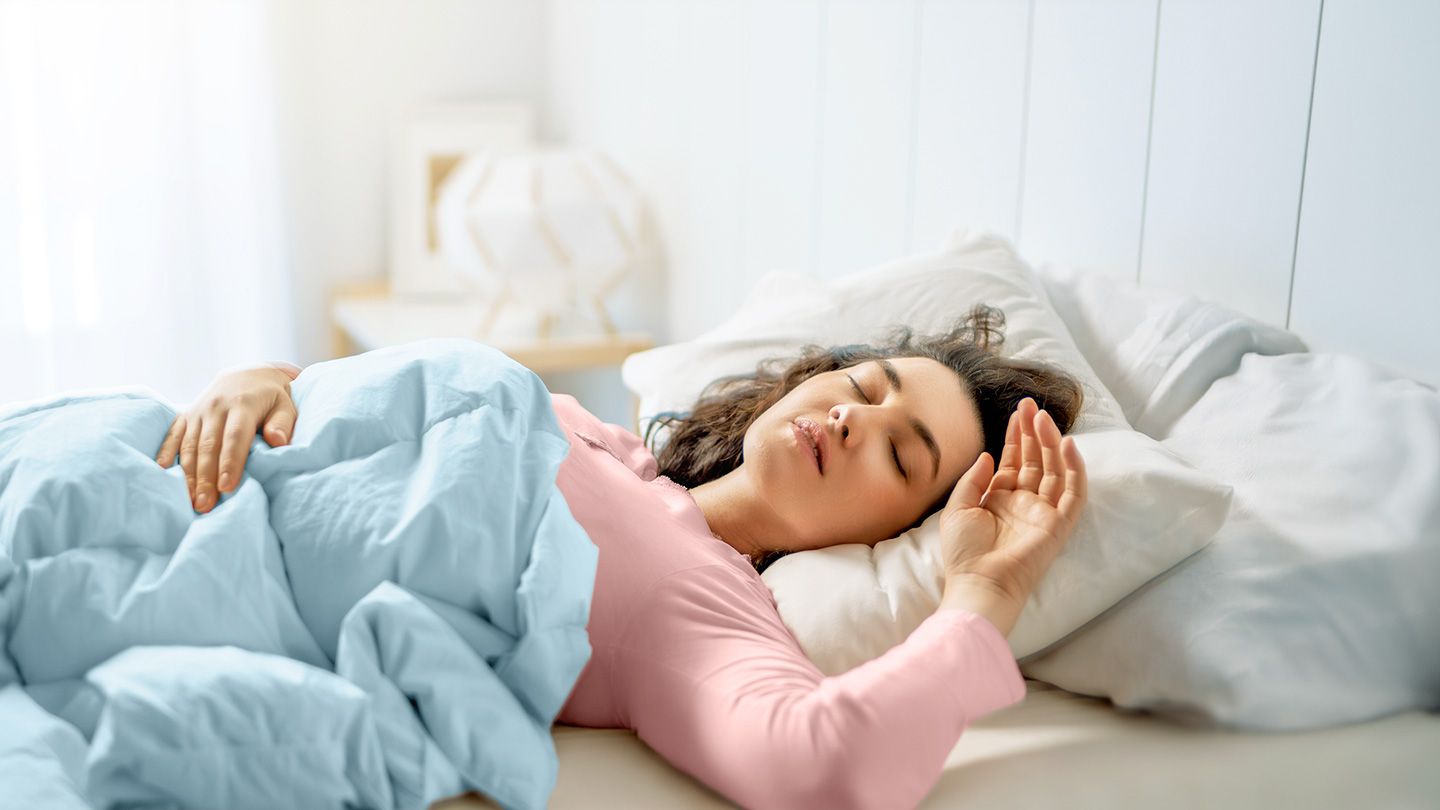
Definition What Are Hypnagogic Hallucinations? Hypnagogic hallucinations are false experiences involving your senses that happen during the transition period between waking and sleep (hypnagogia).e60dc2a1-f33c-4a05-9b50-8e3e8e5976299106c112-05ed-45f3-9420-4d3b47046312 Like other types of hallucinations, they may feel real, but are not. They can occur in anyone, though they’re more common in people who have certain health conditions, like narcolepsy .e60dc2a1-f33c-4a05-9b50-8e3e8e5976299106c112-05ed-45f3-9420-4d3b47046312 Another type of hallucination that happens in the periods between being awake and asleep is hypnopompic hallucinations. They’re similar to hypnagogic hallucinations, but happen as you’re waking up. Neither is typically a cause for concern. They are also not dreams. Unlike hypnagogic and hypnopompic hallucinations, which involve brief sounds or images, dreams typically follow a storyline. It’s also usually clearer when you wake up from a dream. A hypnagogic or hypnopompic hallucination can blur with reality because they occur when you’re partly awake.e60dc2a1-f33c-4a05-9b50-8e3e8e5976299106c112-05ed-45f3-9420-4d3b47046312 But there is some controversy over whether these experiences actually qualify as “hallucinations.” By definition, hallucinations occur when someone is fully awake and alert. They also typically affect someone’s sense of self or personal narrative, whereas hypnagogic hallucinations do not.e60dc2a1-f33c-4a05-9b50-8e3e8e5976299a91e883-94cb-47f1-9907-7bde29df5109
Hallucinations while falling asleep are a fairly common experience — up to 70 percent of people experience it at least once. Known as hypnagogic hallucinations, they’re typically brief, fleeting, and nothing to worry about. Here are some facts on why they occur and the symptoms that aren’t normal, so you’ll know when it’s time to talk to your doctor.e60dc2a1-f33c-4a05-9b50-8e3e8e5976299106c112-05ed-45f3-9420-4d3b47046312
Causes What Causes Hypnagogic Hallucinations? Hypnagogic hallucinations often occur in healthy people. Unlike daytime hallucinations (which can interfere with daily life and signal an underlying medical condition like schizophrenia or Parkinson’s disease), they don’t typically make someone question reality or the sense of who they are.e60dc2a1-f33c-4a05-9b50-8e3e8e597629805a51cd-b33c-4c1d-ac59-54cda0a595e0 In other words, people don’t usually act upon or dwell on these experiences.e60dc2a1-f33c-4a05-9b50-8e3e8e597629dfaa1946-bd45-44de-abd6-2bc9ef8478e5 Women, younger adults, and those with sleep issues like insomnia are more likely to report hypnagogic hallucinations, according to some research.e60dc2a1-f33c-4a05-9b50-8e3e8e597629dfaa1946-bd45-44de-abd6-2bc9ef8478e5 Sleep deprivation may contribute to hypnagogic hallucinations because it causes the borders between ‘wake’ and ‘sleep’ to begin to break down, says Jamie Zeitzer, PhD , a researcher and professor of sleep medicine at Stanford University in Palo Alto, California.e60dc2a1-f33c-4a05-9b50-8e3e8e597629336ffb86-e5d0-42ca-a557-2b5e04dd2cd0 “Different parts of the brain can be signaling for wake and sleep simultaneously,” Dr. Zeitzer notes. Potential triggers for hypnagogic hallucinations may include the following factors, most of which are connected in some way to too little sleep. Narcolepsy Those with narcolepsy may experience hypnagogic hallucinations as a result of rapid eye movement (REM) sleep — a stage of the sleep cycle involving dynamic brain activity and vivid dreams — intruding on “awake” time. Symptoms tend to improve with medications that promote wakefulness (such as modafinil and pitolisant) or reduce REM sleep (like certain antidepressants).e60dc2a1-f33c-4a05-9b50-8e3e8e59762926b301b2-da49-48ee-a5b4-59e9cacb8c61 Sleep Deprivation Similar to narcolepsy, sleep deprivation may pressure the brain to enter REM directly from wakefulness, creating hallucinations, Zeitzer says.e60dc2a1-f33c-4a05-9b50-8e3e8e59762995016842-93de-4069-9ee2-523fbc722570 Mental Health Conditions or Medications Hypnagogic hallucinations occur at higher rates in those with psychiatric disorders like anxiety , post-traumatic stress disorder (PTSD) , and depression .e60dc2a1-f33c-4a05-9b50-8e3e8e597629dfaa1946-bd45-44de-abd6-2bc9ef8478e5 They are also more common in those taking mental health medications , such as tricyclic antidepressants , which can disrupt sleep patterns.e60dc2a1-f33c-4a05-9b50-8e3e8e5976291adaa0df-4fb4-4c2d-91ab-2e8a0f41a663
Managing Them Treatment and Management If hypnagogic hallucinations aren’t causing distress or excessive daytime sleepiness , they don’t require intervention, says Jocelyn Y. Cheng, MD, the vice chair of the American Academy of Sleep Medicine public safety committee. Even then, lifestyle changes are typically the first line of defense, Dr. Cheng says. Hypnagogic hallucinations may diminish if you get enough high-quality sleep, follow a regular sleep schedule , and avoid alcohol. If you’re taking certain medications associated with hypnagogic hallucinations, talk to your doctor about changing your dose or switching.e60dc2a1-f33c-4a05-9b50-8e3e8e5976299106c112-05ed-45f3-9420-4d3b47046312 Best practices for quality sleep include:e60dc2a1-f33c-4a05-9b50-8e3e8e597629f27bbd31-2ca3-4917-a0dd-8554b66b4604 Follow a relaxing bedtime routine . Minimizing light and noise Maintaining a cool temperature (around 65 to 66 degrees Fahrenheit) Keeping electronic devices out of the room Avoiding alcohol in the evening Not eating in the three hours before bed “If anxiety or stress interferes with sleep, mitigations may include implementing relaxation strategies like deep breathing before sleep, mindfulness and meditation , or cognitive behavioral therapy-based techniques ,” Cheng says.e60dc2a1-f33c-4a05-9b50-8e3e8e59762925fb226d-fdcf-4e06-bda9-e175023fb49c
What They Feel Like What Do Hypnagogic Hallucinations Feel Like? Hypnagogic hallucinations vary from person to person, but most are brief. The most common types are:e60dc2a1-f33c-4a05-9b50-8e3e8e5976299106c112-05ed-45f3-9420-4d3b47046312 Visual Most hypnagogic hallucinations are visual, typically involving changing geometric patterns, shapes, or flashes of light. They can also include images, such as animals or people. Tactile and Kinetic Sensations Many hypnagogic hallucinations involve feelings of weightlessness, falling, or even sensing someone else in the room. Auditory Hypnagogic hallucinations can include sounds like people talking or animal noises.
When to See a Doctor When to See a Doctor If hypnagogic hallucinations cause anxiety or distress, or you have other symptoms (like sudden, overwhelming daytime sleepiness or muscle weakness), talk to a doctor rather than self-diagnosing.e60dc2a1-f33c-4a05-9b50-8e3e8e597629facdb927-85fb-492a-9659-52b15c7a572b They can review your current medications and determine if you have an underlying condition, like narcolepsy , that may be contributing.e60dc2a1-f33c-4a05-9b50-8e3e8e5976299106c112-05ed-45f3-9420-4d3b47046312 If your healthcare provider suspects you have narcolepsy or another sleep disorder , they may refer you to a sleep specialist (somnologist) .e60dc2a1-f33c-4a05-9b50-8e3e8e597629facdb927-85fb-492a-9659-52b15c7a572b Also, see your doctor if you begin experiencing hallucinations during the day. This may be due to substance use, certain medications, or a temporary condition such as a high fever or urinary tract infection. Alternatively, it may indicate a neurological disorder, such as Parkinson’s disease or Alzheimer’s disease , or a mental health condition like schizophrenia .e60dc2a1-f33c-4a05-9b50-8e3e8e597629805a51cd-b33c-4c1d-ac59-54cda0a595e0 The Takeaway Hypnagogic hallucinations — perceptions of experiences that occur as you’re falling asleep — can be visual, auditory, or tactile. They are common and typically harmless, unless they cause you distress or anxiety. You can try to get better sleep and avoid certain medications to have fewer hypnagogic hallucinations, but it’s important to see a doctor if they’re affecting your well-being or daytime wakefulness.
Is It Normal to Hallucinate Before Sleep?