

Key Takeaways
- Lotrimin (clotrimazole) is an antifungal cream that can treat diaper rashes caused by yeast.
- Diaper rashes should be treated at the first sign with frequent diaper changes and gentle cleaning.
- Under medical advice, Lotrimin should be used two or three times daily for yeast infections.
Lotrimin (clotrimazole) is an antifungal medication that can be purchased over the counter (OTC) or prescribed to treat certain fungal infections.
Lotrimin works against fungus, a common cause of diaper rash. Lotrimin is applied to the skin (topically) for this purpose.
Diaper rash, or diaper dermatitis, is a common skin problem that occurs under the diaper area. A diaper rash can cause the skin to become sore, red, tender, and scaly. In babies with darker skin, the affected area may lighten (called post-inflammatory hypopigmentation).
The treatment for diaper rash depends on what is causing the rash to occur. A diaper rash due to yeast can be treated with Lotrimin.
This article will provide more information about Lotrimin for diaper rash, other treatments, and how to prevent this skin problem.
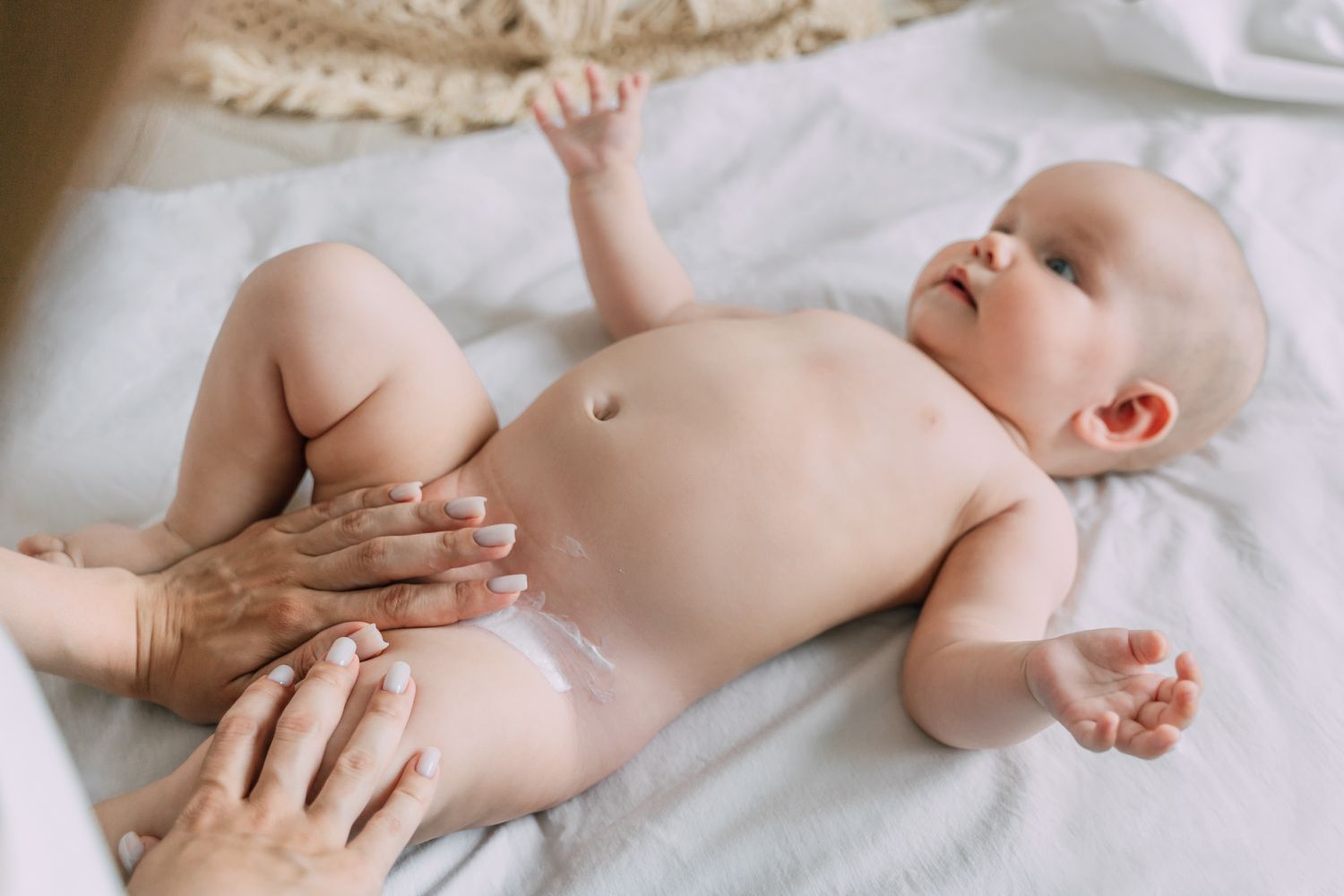
Getty Images / Tatiana Maksimova
Lotrimin for Diaper Rash
Lotrimin is a brand-name medication with the active ingredient clotrimazole.
Clotrimazole is an antifungal medicine used to treat fungal infections like ringworm, jock itch, athlete’s foot, and diaper rash.
It stops fungi from growing. Many diaper rashes are caused by yeast, which is a type of fungus.
A diaper rash that lasts more than a few days may be due to a yeast called Candida albicans. This rash can appear red with raised red spots. Babies with darker skin may experience lightened skin in affected areas. Yeast diaper rashes often begin in skin folds and can spread to nearby areas.
Lotrimin can be applied for yeast-related diaper rashes, following a healthcare provider’s recommendation.
Does Lotrimin Work?
A clinical trial examined two antifungal treatments for diaper rash, highlighting diaper dermatitis as a common skin issue in infants, often involving Candida yeast.
The tested antifungals were:
- Clotrimazole
- A topical combination of nystatin (an antifungal) with zinc oxide (a skin protectant)
The study found both treatments to be safe and well-tolerated, with 100% of cases cured as shown under microscopic examination, regardless of the treatment used.
Diaper rashes occur most frequently in children aged 4 to 15 months and are more common after the introduction of solid foods. They can also affect adults who use incontinence products.
The study found that nystatin was prescribed during 27% of medical visits for diaper rash, making it the most commonly recommended treatment. Clotrimazole was prescribed in 16% of such visits.
Causes of Diaper Rash
Diaper rash typically results from contact dermatitis, where the skin becomes irritated and inflamed due to contact with urine and feces.
The affected skin appears red and shiny, though skin folds are not usually involved initially. If untreated, contact dermatitis may lead to a Candida yeast infection within several days.
With yeast involvement, the skin might turn deep red and develop patches outside the diaper area, often affecting skin folds. Some babies may also develop oral thrush, a yeast infection in the mouth.
Other potential causes of diaper rash include:
- Seborrhea: A chronic skin condition that can affect the diaper area and other parts of the body.
- Bacteria: Less commonly, staphylococcal (staph) or streptococcal (strep) bacteria can cause a diaper rash.
- Allergies: An allergic reaction can occur if the wearer reacts to a dye used in disposable diapers or a detergent used to wash cloth diapers.
Consult a healthcare provider for an appropriate diagnosis and treatment of a diaper rash.
How to Apply Lotrimin for Diaper Rash
An antifungal such as Lotrimin should only be used if recommended or prescribed by a healthcare provider for a yeast infection. Here are some tips for using Lotrimin:
- Apply Lotrimin two or three times daily or as directed by the healthcare provider. Use this medication exactly as directed on the label or by your provider. Do not use more than is recommended or prescribed.
- Lotrimin is for topical use. Do not get it into your eyes or mouth.
- Ask your healthcare provider if you should apply a barrier skin ointment or paste, such as zinc oxide, over the Lotrimin.
Other Treatments for Diaper Rash
In many cases, if you start treatment at the first signs of irritation, the diaper rash can heal within a few days. Some things you can do include:
- Change the diaper as soon as your baby urinates or has a bowel movement. You can also change the diaper in the middle of the night if needed.
- Rinse the baby’s bottom, gently cleaning the area with warm water and a soft washcloth.
- Avoid baby wipes if you can. If you do use baby wipes, use an alcohol-free and unscented formula.
- Do not scrub or rub the skin.
- For a severe rash, use a squirt bottle of water. Clean and rinse the area.
- Pat the skin dry—do not rub—and ensure the area is fully dry.
- Apply a generous amount of an OTC skin barrier cream such as zinc oxide. You do not have to remove the cream between diaper changes. You can apply the cream during every diaper change and cover it with a thin layer of Vaseline so it does not stick to the diaper.
- Avoid using steroid treatments or baby powder (powders can be accidentally inhaled) unless directed by a healthcare provider. Also, avoid using any products that contain fragrances or additives.
- Try to have some diaper-free time to promote healing. This effectively reduces irritation and limits skin contact with urine and feces. This may be a good method to try outdoors. Or, if you are indoors, you can use a waterproof barrier under the baby.
- Do not put rubber pants or plastic liners over a diaper.
- Fasten the diaper loosely to minimize rubbing against the skin.
Some cases of diaper rash may need other treatment, such as:
- For a yeast infection, an antifungal treatment may be recommended or prescribed, such as Lotrimin or nystatin.
- For very irritated or inflamed skin, a healthcare provider may recommend an OTC steroid ointment such as hydrocortisone. Topical steroids should only be used if recommended or prescribed by a healthcare provider.
- For a bacterial skin infection, a healthcare provider may need to prescribe a topical antibiotic (an antibacterial agent that’s applied to the skin) or an oral antibiotic (an antibacterial drug taken by mouth). Experts do not recommend OTC topical antibiotics, such as bacitracin or Neosporin (neomycin, bacitracin, and polymyxin), because many children are allergic to the ingredients.
Diaper Rash Prevention
Here are some tips for preventing diaper rash:
- Some of the same treatments apply to prevention because keeping the skin clean and dry helps prevent diaper rash.
- Change diapers frequently to avoid irritation from urine and feces.
- Use a diaper ointment or paste every time you change the diaper.
- If you use commercial baby wipes, choose unscented ones. However, baby wipes are not recommended when skin is irritated, has open sores, or has a rash that is not improving.
- Clean the diaper area gently. You can use a plastic squeeze bottle of warm water. Rubbing and scrubbing can worsen irritation. Cleanse the area with warm water and a soft cloth. If you want to use soap, use a mild, unscented soap like Dove sensitive skin. If needed, apply mineral oil to a cotton ball to loosen dried feces from the skin. Pat (not rub) skin dry with a soft, gentle towel.
- If you use cloth diapers, launder them in hot water with a dye-free, unscented detergent. Avoid fabric softeners and dryer sheets. Do not cover the cloth diaper with plastic pants. If the child has a diaper rash, experts recommend using disposable diapers because they are better at absorption.
:max_bytes(150000):strip_icc()/IMG_9695-8b4dc875a72440b48ade68c160fc970b-0f69e10a6856432c81f7663e477daebd.jpg)