

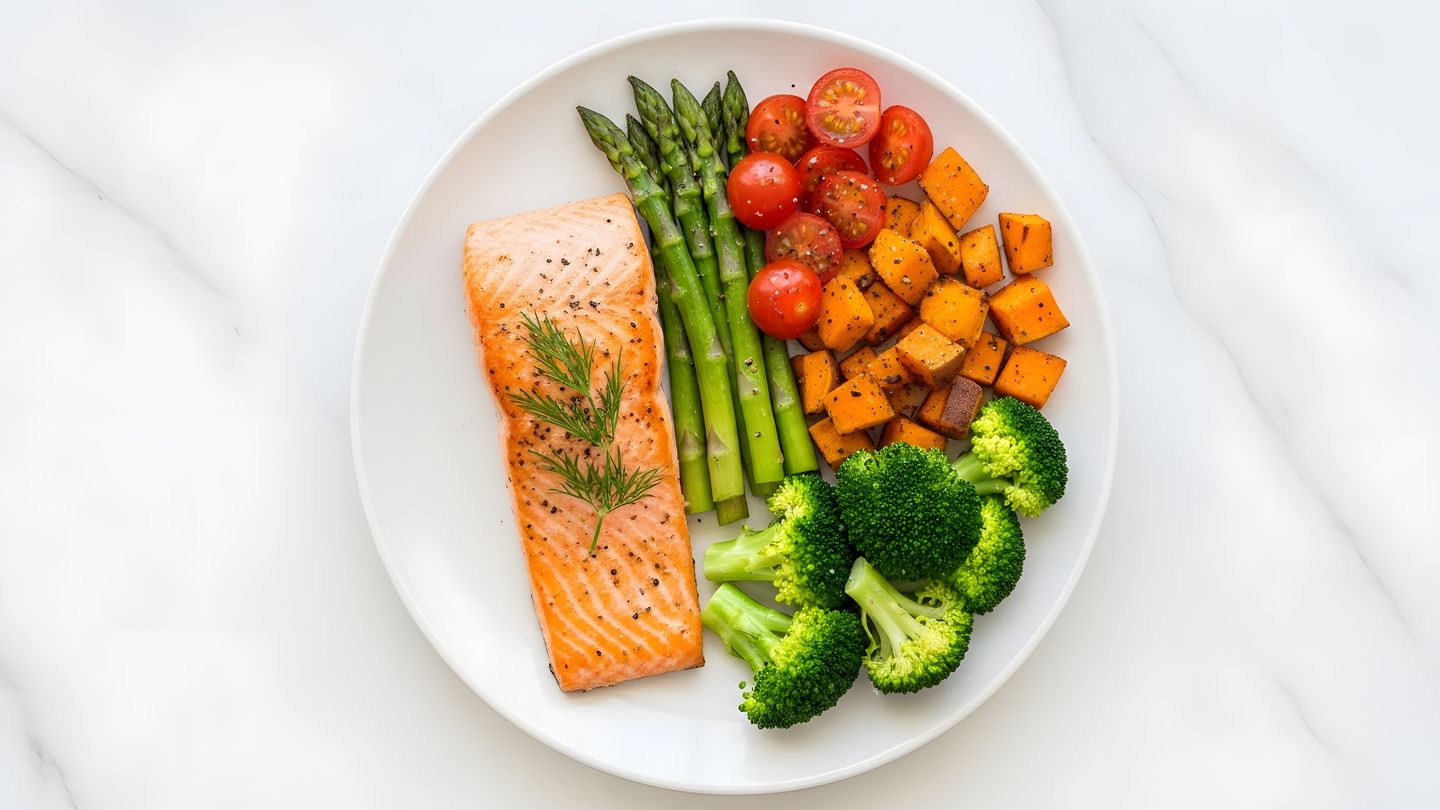
Try implementing these seven strategies at your next meal.
1. Start Meals With Fiber-Rich Veggies …
“Eating vegetables helps create a natural fiber buffer,” says Diana Licalzi, RD, a certified diabetes care and education specialist of the Association of Diabetes Care and Education Specialists based in Boulder, Colorado. “Fiber helps slow down digestion and also helps slow down the absorption of carbohydrates,” which can spike blood sugar.
2. And Save Carbs for Last
No matter what you’re eating, try to eat your protein and fiber first. Save carbs (at least, the bulk of them) for the very end of your meal. This practice is known as meal sequencing.
“Consuming foods that are higher in fiber and contain protein can help slow down the digestion and absorption of carbs,” says Toby Smithson, RDN, senior manager of nutrition and wellness at the American Diabetes Association.
3. Drink Up …
Be sure to pour yourself something to drink when sitting down for each meal.
4. And Make Water Your Beverage of Choice
While you likely won’t want to pair it with every single meal, sticking to water most of the time can help you stay hydrated without excess sugar. If you’re not a fan of plain water or want to change things up, try adding cucumber or mint and basil. You could also opt for unsweetened tea or seltzer water.
5. Cook, Then Cool Down, Carbs
If you’re cooking carbs such as pasta, potatoes, or rice, cooling them down in your fridge for a few hours or overnight can reduce their impact on blood glucose. Reheat them after they’ve cooled completely, or create a cold pasta or potato salad to enjoy with veggies.
6. Stick to Consistent Mealtimes
Smithson says keeping the same eating schedule can be helpful for managing blood glucose levels when they’re out of target range.
“When your regular lifestyle strategies are disrupted due to travel, try to find creative ways to keep your schedule on target,” says Smithson. He suggests packing nonperishable snacks that include both protein and carbs, such as peanut butter on graham crackers or dehydrated cheese balls with whole grain crackers or dried fruit.
Licalzi also advises against going long stretches without eating, as that can cause overeating — and potentially larger blood sugar spikes — later on.
7. Use the Diabetes Plate Method
If you’re still struggling to plan out meals, Smithson recommends the “diabetes plate” as a road map to healthy eating. “Fill half your 9-inch plate with nonstarchy vegetables, one-fourth with lean protein like skinless chicken, fish, or tofu, and the last one-fourth with quality carbs like starchy vegetables, beans, fruit, whole grains, or low-fat milk or yogurt,” says Smithson.
The Takeaway
- Managing type 2 diabetes requires a multipronged approach, including incorporating a few habit changes at mealtimes.
- Eating in a specific order — starting with fiber-rich veggies and ending with carbs — and always including protein is an easy and effective way to prevent blood sugar spikes.
- Other tips include eating high-quality carbs, staying hydrated, and sticking to regular mealtimes.