

Key Takeaways
- Most wasp sting reactions are mild, but if you have signs of an allergic reaction, seek immediate medical care.
- Common symptoms of an allergy include pain and swelling, but more serious reactions may involve the whole body.
Wasp sting reactions can range from mild discomfort to severe pain and life-threatening allergies. Fortunately, most of the time, wasp stings are not an emergency.
Although rare, fatalities can occur from wasp stings, so it’s essential to recognize the signs of severe wasp sting reactions.
This article explains wasp sting reactions, symptoms, and treatment.
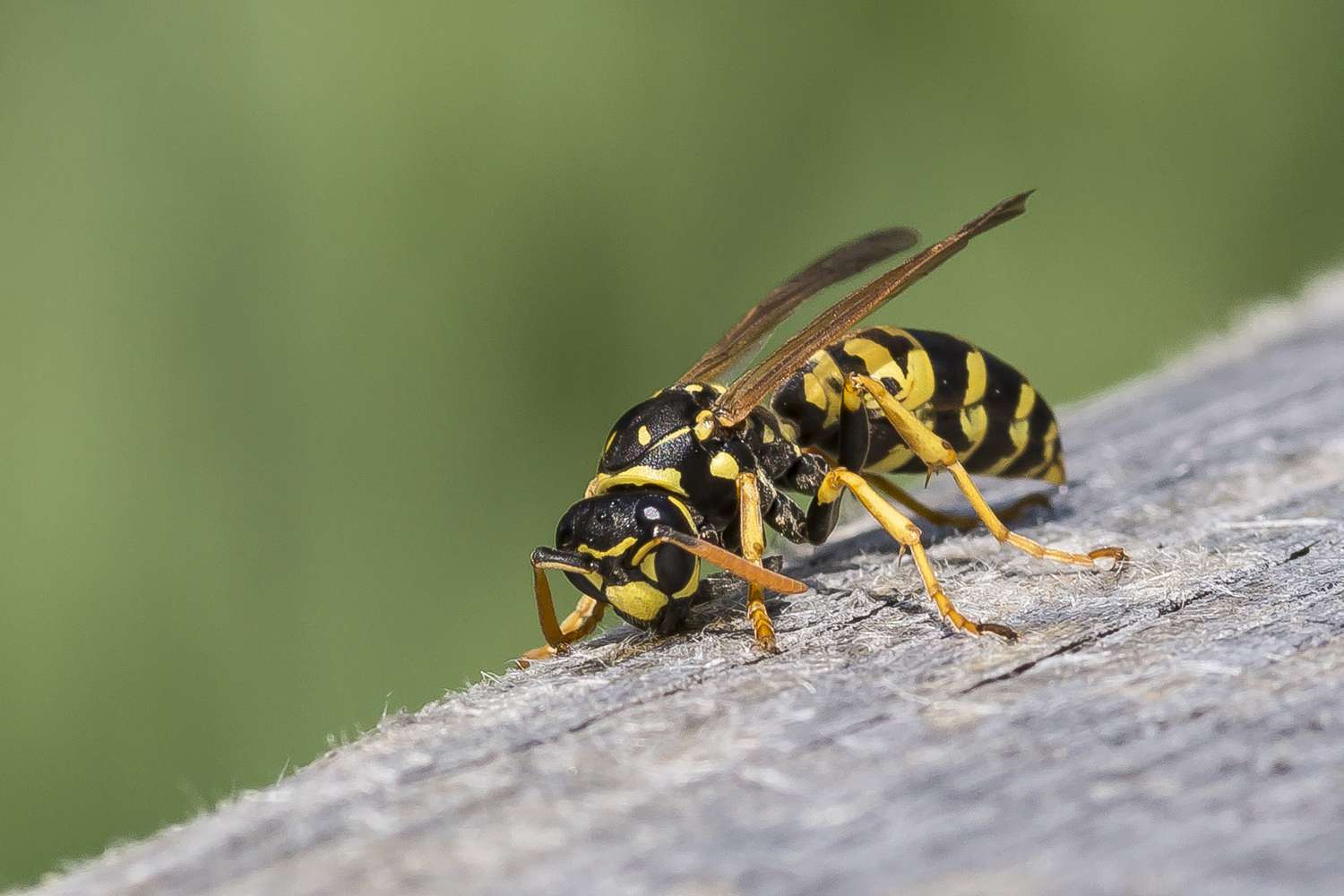
Klaus Schulmann / Getty Images
Between 2000 and 2017, a total of 1,109 people in the United States died from hornet, wasp, and bee stings, an average of 62 deaths per year.
Possible Wasp Sting Reactions
Wasp sting reactions can be localized or widespread, occur immediately or be delayed, and range from mild to severe. Here are some reactions to be aware of.
Serum Sickness
Serum sickness is a complication that can occur from insect stings or from antiserum treatments for insect stings. Serum sickness is similar to an allergic reaction. It is often a delayed reaction, sometimes occurring one to two weeks after a sting.
Symptoms of serum sickness include:
Rhabdomyolysis
Rhabdomyolysis, or “rhabdo,” is a rare and severe complication from wasp stings. It causes muscle breakdown and disrupts fluid and electrolyte balance, often impacting the kidneys.
Researchers suspect rhabdomyolysis occurs due to the toxic effect of wasp venom on muscles. This complication is the result of multiple stings, often more than 50 at a time.
Symptoms may appear days after a sting and include:
Large Local Reaction
Wasp stings often result in significant, localized inflammation. Around 10% of people develop a large local reaction, with redness and swelling at the sting site. Some may also feel fatigued or nauseous.
A large local reaction can become as big as 4 inches in diameter—sometimes even bigger. It may increase in size over one or two days, then resolve in five to 10 days.
This kind of reaction is not a risk factor for developing anaphylaxis (severe allergic reaction). Only 5% to 10% of people with a large local reaction will develop an allergy to bee stings.
Allergic Reaction
An allergic reaction to a wasp sting happens when your immune system overreacts to the venom. If you experience symptoms beyond local redness, swelling, itching, or pain at the sting site, you might be allergic.
Wasp sting allergy symptoms can progress quickly. Therefore, you should seek medical treatment immediately if you notice any allergy symptoms after being stung.
Anaphylaxis
Anaphylaxis is a severe allergic reaction and a life-threatening medical emergency. These reactions can develop quickly after a sting, often within minutes. Therefore, if you notice any signs of anaphylaxis, call 911 immediately.
Symptoms of anaphylaxis after a wasp sting include:
Symptoms of a Reaction
Most wasp sting reactions are mild. Common wasp sting reactions include localized itching, swelling, and pain. However, some reactions can be severe and even life-threatening.
Treatment
Most of the time, you can treat mild wasp sting reactions with home remedies. Unlike bees, wasps do not lose their stingers when they sting, which allows them to sting you multiple times. From a treatment standpoint, you don’t have to remove a stinger.
At-home wasp sting treatment measures include:
- Wash the sting site thoroughly with soap and water.
- Ice the area to reduce pain and swelling.
- Raise the affected limb to reduce swelling.
- Use a paste made of baking soda and water to reduce pain and swelling.
- Consider over-the-counter (OTC) treatments for insect stings.
- Ask a healthcare provider about using Tylenol (acetaminophen) for pain.
- Ask a healthcare provider about using OTC nondrowsy antihistamines for swelling and itching.
- Watch closely for more severe reactions.
Body-Wide Symptoms
You should not attempt to treat systemic (body-wide) symptoms at home, as these may indicate a more severe reaction. If you experience the following, seek emergency medical care:
- Hives
- Swelling in areas other than the sting site
- Respiratory symptoms
- Gastrointestinal symptoms
Treatment for severe allergic reactions is epinephrine, a stress hormone. Healthcare providers, including first responders, can administer this if you have an anaphylactic reaction.
When to See a Healthcare Provider
If your wasp sting symptoms are more than localized pain, swelling, and redness, it is a good idea to seek medical advice. If you experience any signs of an allergic reaction, don’t wait to see if it becomes severe—seek emergency care immediately.
:max_bytes(150000):strip_icc()/Valeiiheadshot2-832258dfafd64123820042937456110e.jpg)