

:max_bytes(150000):strip_icc():format(jpeg)/Microplastics-Could-Be-Disrupting-Your-Hormone-Levels-New-Study-Says-5f5838b4bf5d465c86aaca1dad7b2105.jpg)
- Plastics and microplastics are prevalent in our everyday lives.
- Evidence suggests that microplastics are hormone disruptors.
- Look for ways to reduce plastic use and swap it for glass, stainless steel or wood.
Hormones are chemical messengers produced by our bodies that regulate various functions, including reproduction, growth, development and metabolism. They’re part of our endocrine system. Estrogen, progesterone, testosterone, thyroid hormones, cortisol and melatonin are just a few of the hormones that our bodies manufacture.
Stress and lack of sleep can interfere with proper hormonal functioning, referred to as endocrine disruption. Our hormones also change as we age (hello, menopause). In addition, some environmental factors can disrupt hormone levels and their functions—with the environment being as close as your kitchen.
From plastic containers and cooking utensils to plastic water bottles and plastic wrap, plastic is used in a wide variety of kitchenware. And for good reason—it’s shatterproof and lasts just about forever.
Here’s the thing. Plastic is made from manmade chemicals. Some of them are considered “forever chemicals” or PFAS (per- and polyfluoroalkyl substances), because they resist being broken down in the environment and the body. They’re known for their non-stick, waterproof and stain-resistant properties.
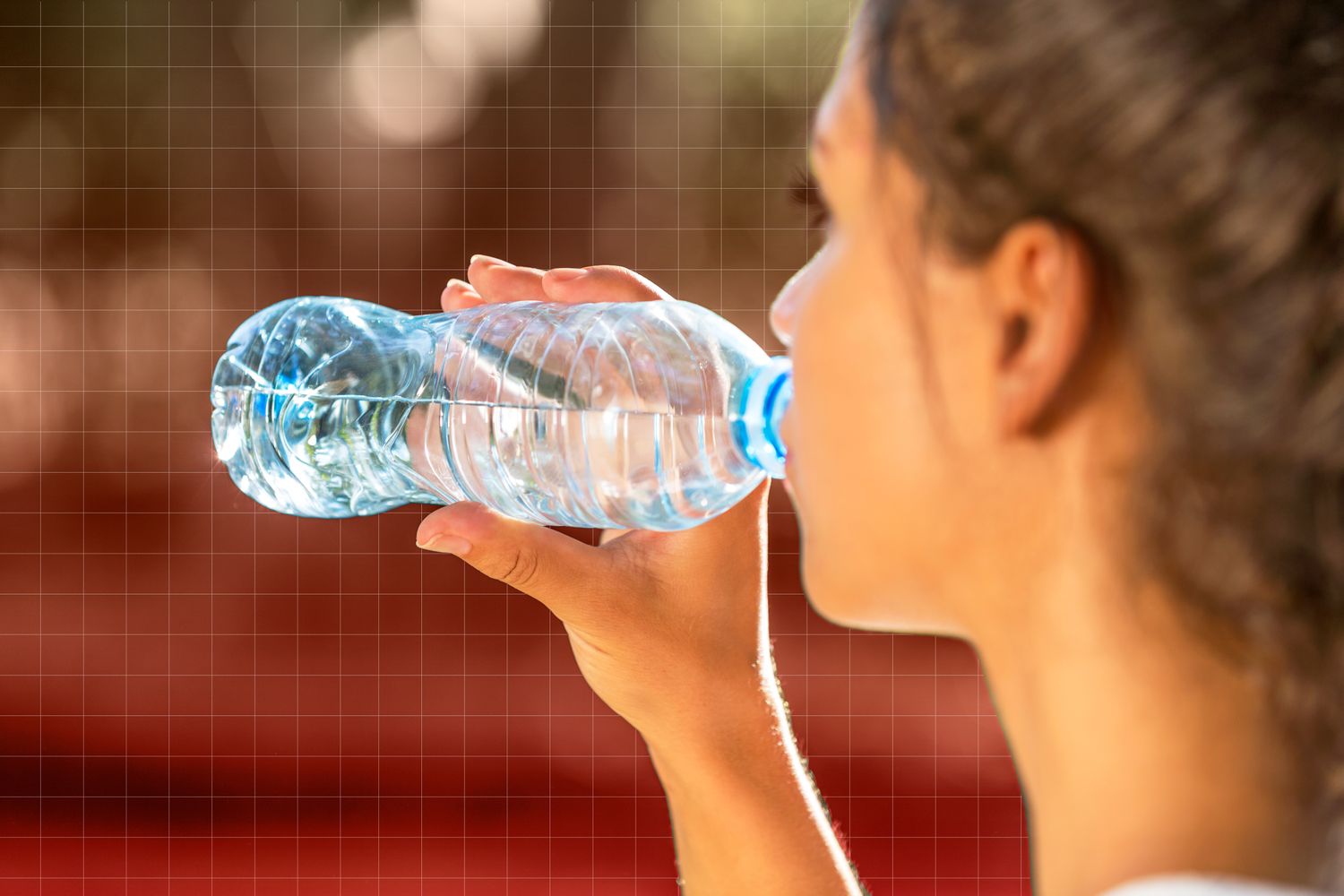
Since PFAS don’t break down, they hang out in soil and water, where some of our food picks them up. If we eat these foods or drink the water—or drink water in disposable plastic bottles—these chemicals, in the form of microplastics, can be absorbed through our gut into our bloodstream and deposited into organs, like the brain, heart and liver. And these microplastics have been linked to a few health problems, including heart disease, lung disease and cancer.
Microplastics have also been implicated as endocrine disruptors. Harvard researchers used the National Health and Nutrition Examination Survey (NHANES) to assess the effect that microplastics have on women’s hormones. They published their findings in JAMA Network Open. Let’s break down what they found.
How Was This Study Conducted?
Researchers drew data from NHANES from the years 2015 to 2020. They included almost 2,000 women of various ethnicities with an average age of 56. Besides age and ethnicity, they also collected other self-reported demographic data, including participants’ income, physical activity, blood pressure, cholesterol levels, alcohol intake, smoking status and body mass index (BMI). In addition, researchers examined participants’ bloodwork results for the presence of PFAS, both single types of microplastics and combinations of them.
To determine whether participants were considered to have endocrine disruption, researchers collected data about estrogen and/or progesterone hormone intake, which was also self-reported.
What Did This Study Find?
After running statistical analyses, including ones adjusting for demographics, researchers found that certain PFAS were linked to endocrine disruption. Even when PFAS exposure was at low levels, if it was over a long period of time, it had a disrupting effect on hormones.
A major limitation of this study is that, other than the bloodwork, all the information was self-reported, which leaves room for bias and inaccuracies. And to determine endocrine disruption, researchers used participants’ self-reports of hormone replacement instead of actual diagnoses.
How Does This Apply to Real Life?
One explanation researchers give regarding how PFAS act as endocrine disruptors is based on findings from another study that suggests that PFAS mimic fatty acids, interfering with or disrupting hormone-binding proteins.
There is still much to learn about microplastics, and so far, there are no known ways to remove them from our bodies—which means that trying to avoid them is your best strategy.
Since microplastics are found in, well, plastic, a good place to start is by replacing plastic food containers, water bottles and plastic cooking utensils with glass, stainless steel or wood. Black plastic cooking utensils and containers tend to be made from recycled electronics, which contain fire retardants—a type of PFAS. When these products are used in cooking or storing and reheating food, the chemicals are more likely to leach into the food and ultimately, into your body.
If you gravitate toward disposable water bottles because they’re convenient, you might want to switch to reusable bottles. That’s because the one-time-use bottles are also linked with higher levels of microplastics. And while reusable plastic water bottles might not have the same level of risk as disposable ones, if you want to further reduce your risk, go for a glass or stainless steel bottle.
Because plastic has been used for food and water uses for so long, some people may experience signs of endocrine disruption. These include persistent fatigue and low energy, sudden weight changes, frequent mood swings, irregular menstrual cycles, excessive thirst and dark patches of skin. If you’re experiencing any of these symptoms, it may be time to see an endocrinologist, a doctor who specializes in hormones. Check in with a healthcare provider if you’re concerned about your symptoms.
Our Expert Take
This study suggests that PFAS, or microplastics, may disrupt women’s hormones. Microplastics have also been linked with an increase in inflammation and chronic disease, like heart disease and cancer. Because plastic use is so prevalent in our society, it’s helpful to look for ways to avoid it and swap it with healthier options—even if it’s a little less convenient.