

Key Takeaways
- Plasma is the liquid part of blood and makes up more than half of blood volume.
- Plasma carries nutrients, hormones, proteins, and waste throughout the body.
- Plasma donation can help people recover from severe fluid loss due to burns or injuries.
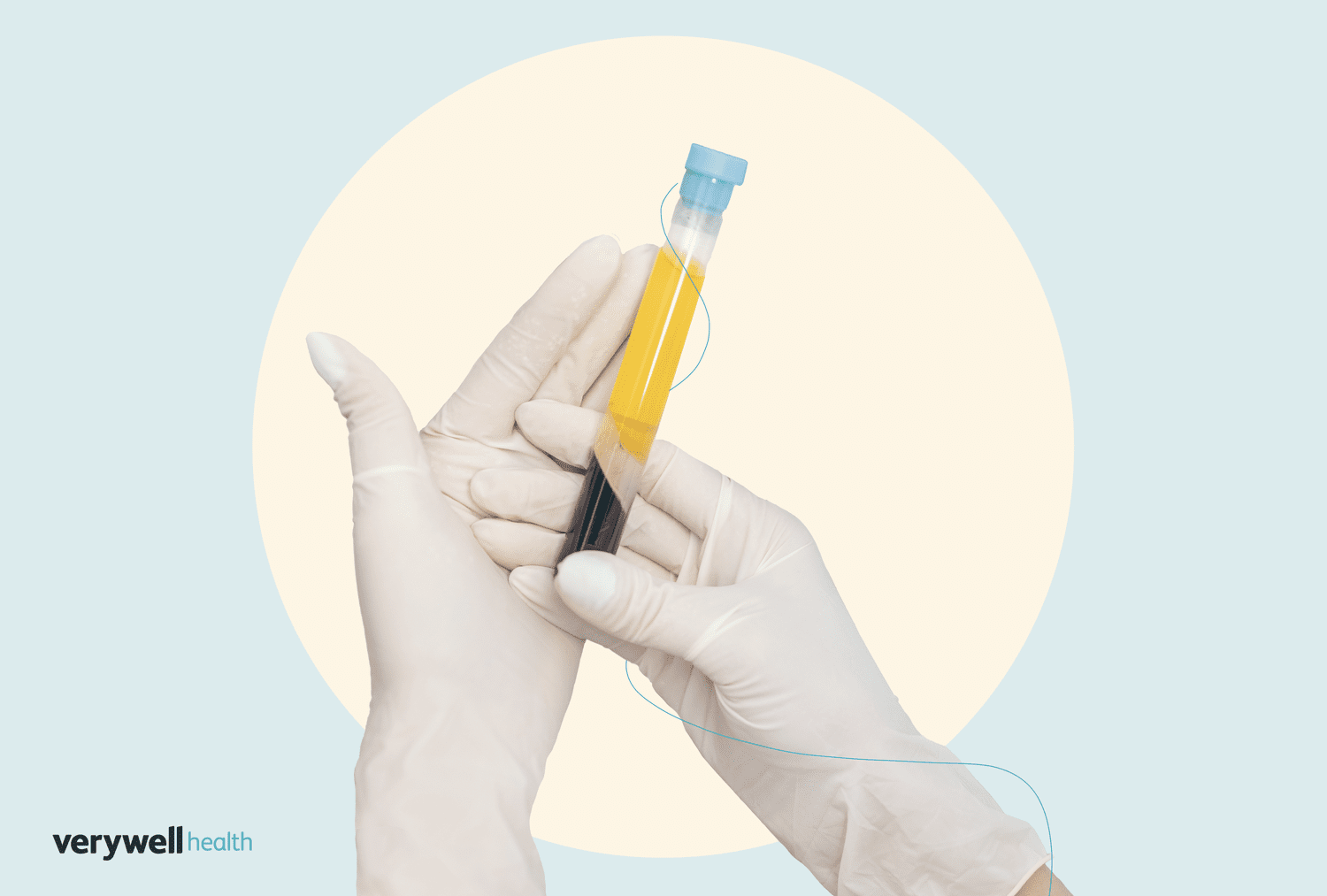
Plasma is the liquid component of blood that facilitates the transport of crucial substances like nutrients, hormones, and waste products throughout the body. While plasma makes up about 55% of your total blood volume, the blood cell portion comprises about 45%. A straw-colored fluid, plasma plays a vital role in maintaining balance and supporting various body functions, making plasma donations essential for medical treatments.
Photo composite by Michela Buttignol for Verywell Health; Getty Images
Role and Composition of Plasma in the Body
Blood flows throughout your body, moving through the heart, arteries, veins, and capillaries. Whole blood looks red due to its red blood cells. When separated, the remaining plasma is straw-colored and slightly cloudy.
Plasma allows blood to move fluidly, delivering essential elements like oxygen, nutrients (such as glucose), hormones, immune proteins, vitamins, and minerals to your organs, tissues, and cells.
Major components of blood plasma include:
- Water: Plasma is a little over 90% water.
- Electrolytes: These include sodium, chloride, calcium, potassium, and bicarbonate, which help maintain fluid and acid/base balance (pH) in the blood.
- Plasma proteins: Albumin and globulin contribute to fluid balance in the bloodstream.
- Coagulants: Proteins like fibrinogen aid in blood clotting.
- Immunoglobulins: Also known as antibodies, these proteins identify foreign substances to fight infections.
- Other elements: Plasma contains enzymes, hormones, vitamins, glucose, and waste products.
Blood is filtered in the kidneys, where waste material is removed from plasma for excretion from the body. Additionally, your kidneys adjust your blood mineral and fluid concentration, maintaining an optimal total amount and ratio of these plasma components. The kidneys send excess water and minerals to the urine for release from the body.
Your blood plasma fluid volume and mineral concentration are balanced to keep you hydrated and your organs and cells functioning properly.
Plasma vs. Serum
When blood clots, the liquid portion is now called serum. Serum lacks certain proteins and other elements used in the clotting process. When plasma is necessary for a blood test (such as coagulation tests), the collection tube contains chemicals that prevent the blood from clotting in the tube.
Blood Plasma Uses
Plasma donation can prevent or treat medical instability caused by rapid or substantial fluid loss. This can happen due to a severe burn or traumatic injury. In these situations, a plasma transfusion procedure would provide plasma from a donor to a recipient.
For Recipients
If you have rapidly lost fluid, you may experience serious health effects. A severe fluid deficit leads to low blood pressure, brain damage, disruption of kidney function, and heart failure. Severe fluid loss can also harm other areas of the body, such as the intestines, liver, and lungs.
A plasma transfusion can restore the fluid and other components of plasma to prevent these consequences and maintain healthy, functioning cells throughout the body.
Donated plasma can also function as a supply of therapeutic biological materials, such as immune proteins and certain hormones, and in the manufacture of medications.
Donor Benefits
Some evidence suggests that donating plasma may benefit people with high cholesterol or high blood pressure. A study examining these potential effects is currently underway.
Plasma Donation
Before you donate blood or plasma, you would have blood typing and screening tests. You can’t donate blood if you have anemia (red blood cell deficiency). You also can’t donate plasma if you have a blood disorder or certain infections, such as HIV and hepatitis.
During a plasma donation, a phlebotomist (a person specially trained to draw blood) inserts a line into a vein. Your blood travels through a machine that separates plasma from the cellular components of your blood. The cellular components are returned to your vein.
Difference Between Blood Donation and Plasma Donation
If you’re giving a blood donation, you can donate blood or plasma. It takes a little longer to donate plasma than it takes to donate whole blood. Whole blood donation may take an hour.
During a plasma donation, sometimes called plasmapheresis, a tube is inserted into your vein, and blood passes through a machine to separate only the plasma portion. The red cells, white cells, and platelets are returned to your bloodstream.
With a whole blood donation, no cells are returned to you. The donated whole blood unit may be processed into components, such as packed red cells and plasma. These can then benefit more than one recipient.
You can donate plasma more frequently than whole blood because the body regenerates plasma much faster than it regenerates blood cells.
Depending on your ABO blood type, your plasma may contain immune proteins (antibodies) that react with incompatible red blood cells (a transfusion reaction). Blood type AB plasma has no antibodies for types A or B and can go to any recipient, so it is the most desired plasma donation for transfusion.
This differs from whole blood or packed red blood cell donation, where type O is more desired because the cells lack A or B antigens and can go to people of any blood type. However, people of all blood types are encouraged to donate whole blood and plasma because of the need for all types.
Plasma donors may be paid for their donations at for-profit plasma centers. When plasma is collected from paid donors, it is used for purposes other than direct transfusion. Payment is not usually given for whole blood donations for transfusions in the United States.
Therapeutic Plasmapheresis
Therapeutic plasmapheresis removes certain components from plasma and then returns the plasma back to the body. This process may treat immune disorders, which occur when the immune system damages the body’s organs. Examples of immune disorders that therapeutic plasmapheresis may treat include Guillain-Barré syndrome, myasthenia gravis, and multiple sclerosis.
How Machines Separate Plasma
Special equipment separates plasma from blood cells or selected proteins from plasma. Though the process runs continuously for an hour or longer, only a small amount of blood passes through the machine at a time. Your blood cells and saline are returned to your bloodstream.
If you’re having therapeutic plasmapheresis, you would have a tube placed in a vein. As the blood runs through the tube, it enters a machine that separates antibodies (specialized immune proteins) or other materials from your plasma before returning the plasma and blood cells to your body.
Plasma Regeneration After Donation
You may feel tired for a few days after you donate blood or plasma. This is due to mild anemia and dehydration from the procedure. It’s important to get some rest after your procedure and as you recover.
After plasma donation, it’s important to drink fluids, especially water. It’s good to have a small meal soon after the donation.
If you are healthy, your body will replace the lost plasma fairly quickly after a plasma donation or whole blood donation. If you are drinking enough fluids, your blood volume will be restored in 48 hours. However, when you donate whole blood, it takes the body longer to replace red blood cells.
Side Effects of Plasma Donation
If you feel dizzier or more tired than expected or if you remain tired or dizzy for more than a few days after donating blood or plasma, call or see a healthcare provider.
:max_bytes(150000):strip_icc()/Heidi-Moawad-MD-1000-2792fc644ba54e05a6e82c8a25ae988f.jpg)