

Key Takeaways
- A stye is a small, pimple-like bump on the eyelid that occurs when an oil gland gets infected.
- You can help a stye heal by using a warm compress on your eyelid for five to ten minutes at least three times a day.
- To prevent styes, clean your eyelids regularly and don’t share makeup or towels.
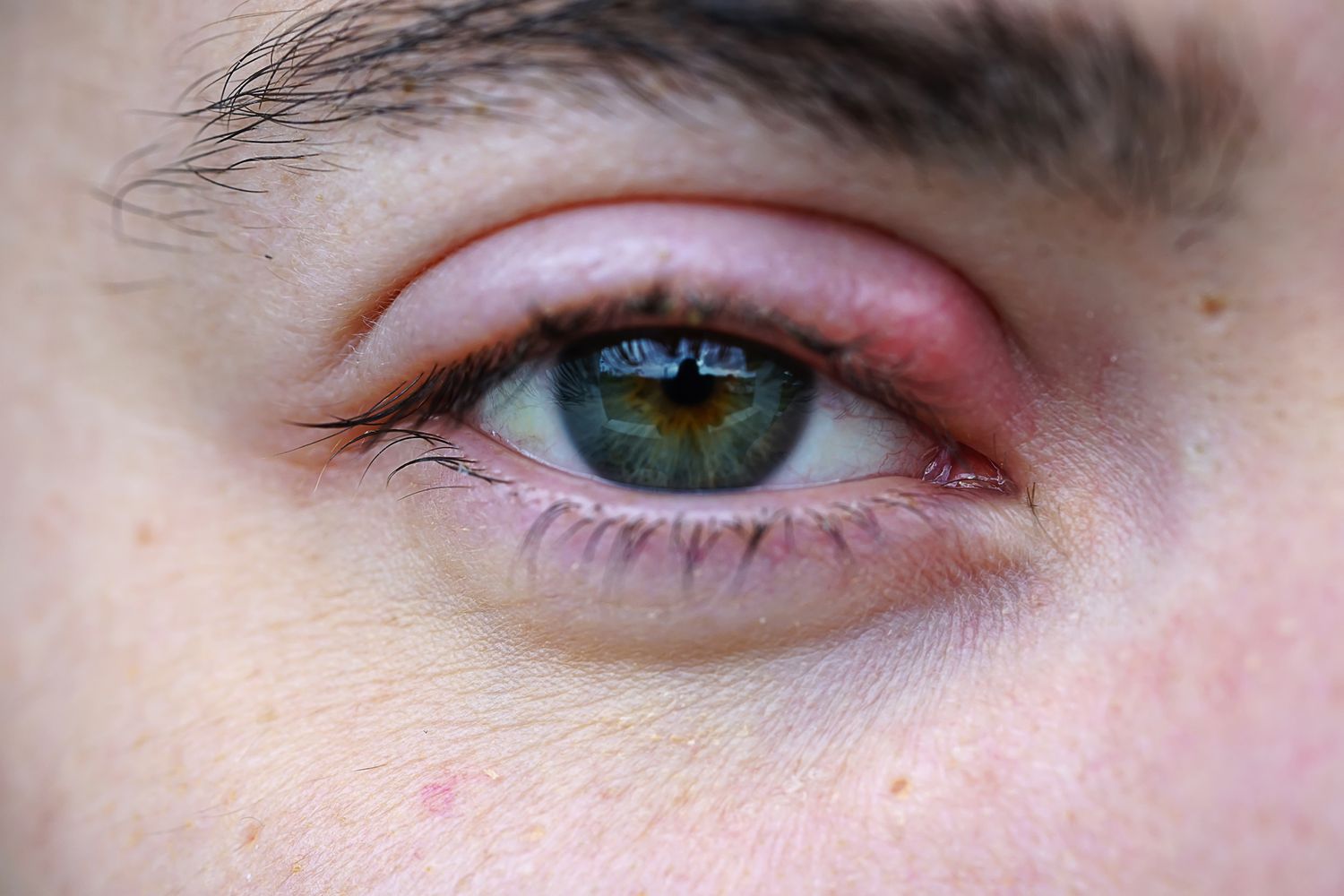
A stye (hordeolum) is a small, pimple-like bump that can form at the base of your eyelash or under the eyelid. Styes occur when an oil gland gets infected or as a complication of eyelid skin problems. While painful, styes are usually harmless.
This article looks at the types, symptoms, and causes of styes, how they’re diagnosed and treated, and what complications you may face from a stye in the eye.
leventalbas
Types of Styes
Two types of styes exist:
- External: More common, forming along the eyelashes
- Internal: Less common, arising from oil-producing glands inside the eyelid
Stye Symptoms
A stye typically begins as a bump on the edge of the eyelid. On lighter skin, styes often appear white, yellowish, or pink. On darker skin, they may appear pink or show no discoloration.
You may experience symptoms such as:
- Swollen, painful eyelid
- Feeling like something is in your eye
- Itching
- Watery eyes
- Sensitivity to light
- A bruised sensation
Having a stye can make blinking feel different than usual.
Complications
If an external stye lingers, it may lead to complications, such as:
- Internal stye
- Chalazion (infection of a blocked oil gland)
Why Do Styes Happen?
Styes can develop due to clogged eyelid glands and eyelash follicles, and anyone can get them.
You may be more susceptible if you have:
- Chronic blepharitis: Bacterial infection leading to persistent redness, swelling, irritation, and crusty flakes on the eyelash.
- Meibomian gland dysfunction: Dysfunctional oil glands causing dryness, watering, burning, itching, and crustiness.
- Staph (Staphylococcus aureus) infection: Bacterial infection affecting skin, potentially leading to styes, impetigo (crusty infection), and other skin issues.
Your risk increases if you:
- Frequently rub your eyes or face with unclean hands
- Wear contact lenses
- Use eye makeup, especially if it’s expired or shared
- Don’t wash your face and eyes properly
- Have skin conditions like eczema or rosacea
- Have high cholesterol or diabetes
Stress may also contribute to styes.
Diagnosis
It’s best to see an eye doctor if you think you have a stye.
To reach a diagnosis, they may:
- Perform a visual examination of your eyelid and lashes
- Use light and magnification to examine the base of your eyelashes and oil-gland openings
- Consider any health problems you have that may contribute
Treatment
Styes often resolve on their own within a week. Home treatments can aid healing, but medication may be needed in some situations.
Consult a healthcare provider if:
- Your stye doesn’t improve in a few days with home treatment
- Your stye worsens
- You experience recurring styes
Verywell / Cindy Chung
Warm Compress
You can make a compress by wetting a clean washcloth with warm water. You can also use an eye mask that contains gel beads.
Lightly press the compress against your eyelid for between five and 10 minutes. Do this at least three times a day.
The skin on your eyelid is fragile. Make sure you always test how hot something is before putting it on your eye.
Eye Drops and Antibiotics
Medicated eye drops or antibiotic ointment may help cure an infection. Both over-the-counter (OTC) and prescription drops are available.
Ask your eye healthcare provider which is best for you and be sure to use products as directed. Be sure you’re using options that are specifically approved for use in and around the eyes.
In some cases, oral antibiotics may be prescribed to clear and infection.
Eyelid Scrubs
OTC eyelid scrubs are commercially prepared medicated shampoo packets similar to a moist towelette. They help kill bacteria on the eyelid or the stye and help the bump heal.
Watered-down baby shampoo can also make a good home remedy.
Draining a Stye
Rarely, a healthcare provider will need to make a tiny cut and drain a stye. This is mainly necessary when a stye becomes especially big and painful.
Never try to pop a stye like a pimple or drain it on your own. This can lead to infection.
Prevention
Once you’ve had a stye, you’re more likely to get more in the future. You can take simple steps to prevent them, though:
- Clean your eyelids regularly with a special eye scrub or watered-down baby shampoo.
- Always remove eye makeup before bed and don’t share makeup.
- Throw away eye makeup three months after opening it.
- Don’t share towels or facial products with someone who has a stye.
- Clean contact lenses as directed.
- Wash your hands before touching your eyes.
:max_bytes(150000):strip_icc()/BedinghausNew-5949793f3df78c537b43aa40.jpg)