

Key Takeaways
- Formication is a hallucination that makes you feel like bugs are crawling on your skin, but there is no real cause.
- Formication can happen with psychiatric illnesses, neurological diseases, infections, and as a side effect of medication.
- It can be treated with antipsychotic drugs and counseling, tailored to the individual case.
Formication, the sensation of bugs crawling on your skin, often is linked to psychological or medical conditions, not actual pests. Whether caused by neurological issues, psychiatric disorders, or medication side effects, treatments like antipsychotic drugs and counseling can provide relief.
Cavan Images / Getty Images
What Does Formication Feel Like?
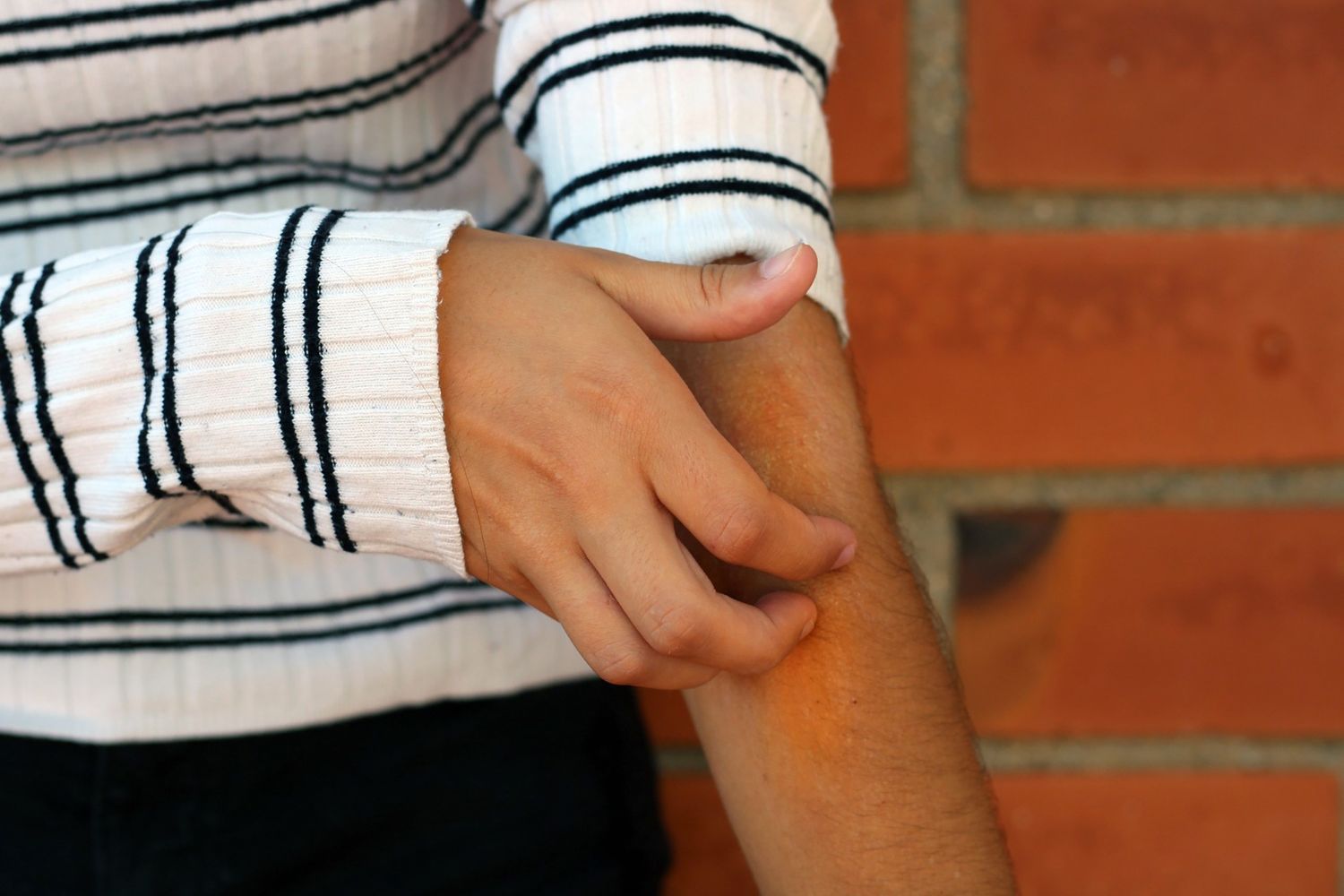
Formication feels like bugs crawling on or under your skin. This sensation can be mild or intense and may affect just one area or your entire body. You might also experience itching, stinging, or a pins-and-needles feeling.
Formication often feels like a genuine skin condition. Up to 90% of people seek help from a dermatologist.
You might experience formication for months or years, often seeking help from multiple specialists without finding a physical cause. This can lead to anxiety and feelings of being ignored or dismissed.
In a desperate effort to find an explanation, some people will embrace controversial diagnoses like Morgellons disease and use alternative treatments that may or may not be of any help.
Sometimes, 5% to 15% of people with formication have the same symptoms as a close friend or relative. This is called folie à deux.
Underlying Causes of Skin Crawling Symptoms
Formication is a sensory hallucination classified as a delusional disorder in the “Diagnostic and Statistical Manual of Mental Disorders, Fifth Edition” (DSM-5). It is a rare condition affecting about two out of every 100,000 people in the United States.
Females are affected twice as often as males for reasons that are not fully understood. The highest incidence occurs between the ages of 50 and 80.
Formication goes by many other names, including:
- Delusions of parasitosis (DOP)
- Delusional infestation
- Psychogenic parasitosis
- Ekbom syndrome
While skin-crawling might seem like a mental issue, formication isn’t only linked to psychiatric illness. Clinicians categorize it as primary (on its own), secondary (with a psychiatric condition), or organic (with a medical condition).
Primary Formication
Primary formication is a psychiatric condition where the belief of having parasites is the sole symptom. It is diagnosed after ruling out all other psychiatric and physical causes.
The person might not meet any psychiatric condition criteria in the DSM-5, or the symptom could be idiopathic, meaning its cause is unknown.
Doctors might use primary formication as a “placeholder” diagnosis to avoid labeling it psychiatric or physical. This can lead to referrals to specialists like a neurologist, endocrinologist, or toxicologist.
Secondary Formication
Secondary formication affects people with a diagnosed psychiatric condition. The sensation of skin crawling is common in individuals with:
Delusions, hallucinations, delirium, and psychoses are common when these conditions are severe and/or left untreated.
Organic Formication
Organic formication occurs due to an underlying medical condition or cause. It may be linked to:
- Infections, including HIV, syphilis, and tuberculosis
- Nutritional deficiencies, such as vitamin B12 and folate deficiency
- Chronic conditions, such as diabetes and hyperthyroidism
- Neurological conditions, like meningitis, stroke, and multiple sclerosis
- Drug side effects, including medication like corticosteroids, opiates, and others
- Substance abuse, including methamphetamine, heavy cocaine use (called “cocaine bugs”), and drug and alcohol withdrawal
Formication is diagnosed only after ruling out other causes. For example, peripheral neuropathy can cause numbness, burning, or tingling due to nerve damage or toxicity.
Formication is only diagnosed if the pattern or characteristics of “skin-crawling” are not consistent with how neuropathy normally presents. Extensive neurological testing may be needed.
Organic formication is ultimately characterized by the unshakable belief that the sensation is the result of their medical condition, even if all evidence is to the contrary. This is when a belief becomes a delusion.
Other delusional symptoms include angry moods, mistrust of friends and family, outsized responses to what is being told you, and a belief that you are being taken advantage of.
Does Skin-Crawling Have a Medical Cause?
Some experts theorize that skin-crawling may be related to a neurotransmitter called dopamine, which regulates memory and mood. Many of the conditions associated with formication are characterized by the dysregulation of dopamine, causing levels to increase, often persistently. This alone can lead to symptoms like anxiety and hallucinations.
More research is needed.
Steps to Diagnose Formication
Formication is a delusion, meaning a false, rigid belief. Whether idiopathic, psychiatric, or medical, individuals often resist alternative explanations for their symptoms.
This doesn’t mean that the person describing skin-crawling is inherently delusional; there may be an underlying cause yet to be undiagnosed.
To this end, the investigation may include a battery of tests to rule out diseases, infections, and actual infestations (like scabies) that might account for the symptoms.
This may include:
Referral to multiple specialists, including dermatologists and neurologists, may be needed to definitively rule out all possible causes.
A psychiatric evaluation is also useful for the diagnosis, although many people will resist seeing a psychiatrist or psychologist, believing that doing so suggests they are mentally ill or are making up symptoms.
How Is the Sense of Skin Crawling Treated?
The treatment of formication generally starts with building a strong, trusting relationship with your primary care provider. Skilled practitioners will devote the necessary time to listen to and acknowledge your symptoms without perpetuating the delusion.
While people with formication may reject psychotherapy, at least initially, they usually desire treatment and may be responsive to antipsychotic drugs commonly used to treat delusional disorders.
Currently, second-generation antipsychotics are recommended for the treatment of formication as they have a lower risk of side effects.
These include medications like:
- Abilify (aripiprazole)
- Caplyta (lumateperone)
- Latuda (lurasidone)
- Rexulti (brexpiprazole)
- Seroquel (quetiapine)
- Vraylar (cariprazine)
Studies suggest that up to 88% of people treated with antipsychotics will experience complete or partial remission of skin-crawling symptoms. The response rates may improve with regular provider interaction or counseling.
Some studies have also shown that antidepressants called selective serotonin reuptake inhibitors (SSRIs) are effective, particularly in people with primary formication, leading to complete remission in up to 79% of cases.
These include medications like:
- Celexa (citalopram)
- Lexapro (escitalopram)
- Paxil (paroxetine)
- Prozac (fluoxetine)
- Zoloft (sertraline)
:max_bytes(150000):strip_icc()/headshot-30161addc7ad4e44a82a42642b1bacb0.jpg)