

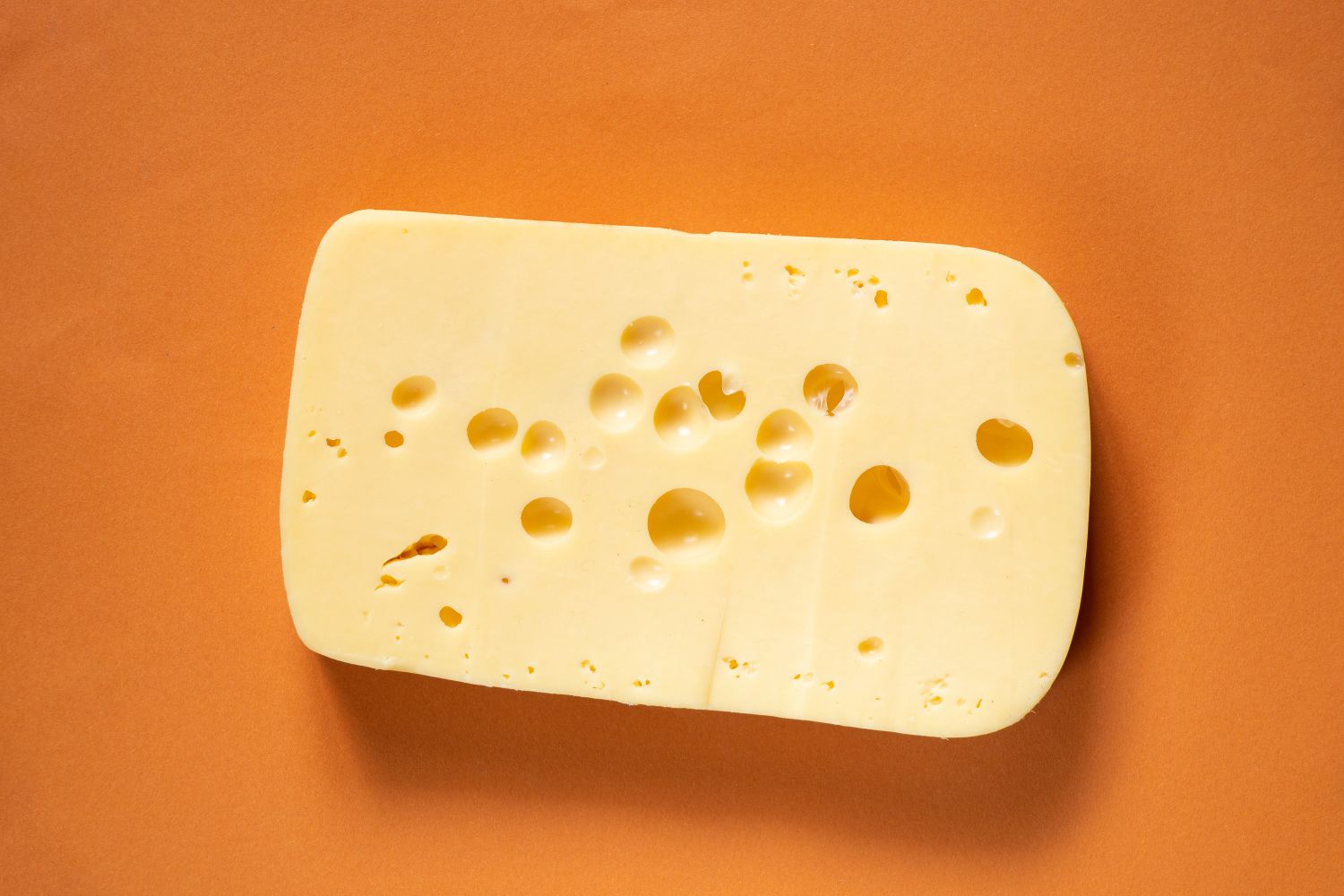
Eating Swiss cheese may have benefits for your blood pressure. Some features of this cheese—it’s low in salt, rich in calcium, low in calories, and promotes heart-healthy peptides and immune-promoting probiotics, can lower your blood pressure, and can help your heart health.
1. Low in Sodium
Salt (sodium chloride) is a natural component of some foods, and it is often added to food as a flavor enhancer. For some people who have hypertension (high blood pressure) or heart disease, a low salt diet can help improve blood pressure and overall heart health.
Salt is added during the cheese production process. But Swiss cheese, in particular, has a lower sodium content than many other types of cheese at 53 milligrams (mg) per ounce (oz). You may have noticed that Swiss cheese doesn’t have a sharp, salty taste, and some may describe it as having a subtle, mild flavor.
Research shows that reducing salt in the manufacture and production of Swiss cheese does not have an adverse effect on the flavor or texture. In contrast, some other types of cheese can’t maintain the same taste and consistency if there’s an attempt to reduce the salt concentration.
How to Know the Sodium Content of Swiss Cheese?
Swiss cheese is lower in sodium content than most types of cheese, but each brand may vary, and the production process and size of each slice can affect the sodium content. You can check the package to find out the sodium content in Swiss cheese that you’re buying.
2. Good Source of Calcium
Calcium is a natural component of dairy products, such as milk, cheese, and yogurt. While you may have heard that calcium is important for your bone health, it’s also important for your cardiovascular health.
Your heart muscle requires calcium to power its contractions as it pumps, and the tiny muscles in your blood vessels also use calcium to regulate your blood pressure.
Consuming an adequate amount of calcium has been shown to help prevent high blood pressure. Calcium intake is encouraged in the Dietary Approaches to Stop Hypertension (DASH) diet.
Swiss cheese, rich in calcium, contains 252 grams (g) of calcium in 1 ounce (oz). Adults should aim for between 1,000 milligrams (mg) and 1,200 mg of calcium per day.
3. Low in Calories
Obesity and overweight can contribute to high blood pressure. Maintaining a healthy weight can help lower your risk of hypertension.
Swiss cheese is relatively low in calories, which can help prevent weight gain. A 1-ounce portion of Swiss cheese has 111 calories.
4. Provides Bioactive Peptides
Swiss cheese contains certain small components of proteins, called peptides, that help relax your blood vessels. Several reviews have noted that Ile-Pro-Pro (IPP) and Val-Pro-Pro (VPP), peptides found in Swiss cheese, exhibit antihypertensive properties (meaning they act to reduce high blood pressure).
According to an older study, VPP and IPP have angiotensin-converting enzyme (ACE) inhibitory activity and were found in seven Swiss cheese varieties.
ACE Inhibitory Action
A 2023 review of the peptide composition of different types of cheese noted that most of the bioactive peptides identified in cheese are angiotensin-converting enzyme (ACE) inhibitory and anti-hypertensive peptides.
It is worthwhile to note that ACE inhibitors are a class of medications prescribed to treat high blood pressure. The concentration and effects of ACE inhibitors in cheese are significantly lower than those in medication.
5. Contains Probiotics
Probiotics are living microorganisms that reside in the gut and aid in breaking down food into usable nutrients for absorption. Research indicates that cheese, including Swiss cheese, supports the growth of healthy probiotic organisms in the gut, which has been shown to improve blood pressure and overall heart health.
How to Incorporate Swiss Cheese into Your Diet
Ways you can add Swiss cheese to your diet include:
- As a snack on its own
- In a sandwich, along with your favorite vegetables on whole-grain bread
- With whole wheat crackers
- Cut up and sprinkle on salad
- Topped with fruit, such as watermelon, strawberries, or apples
:max_bytes(150000):strip_icc()/Heidi-Moawad-MD-1000-2792fc644ba54e05a6e82c8a25ae988f.jpg)