

:max_bytes(150000):strip_icc():format(jpeg)/This-Afternoon-Habit-Could-Be-Quietly-Increasing-Your-Blood-Pressure-According-to-Dietitians-5bb12ea417ef4517bec848fa186018f9.jpg)
- Regularly eating salty afternoon snacks could be quietly raising your blood pressure.
- Sodium can increase blood volume and blunt the body’s sensitivity to blood pressure shifts.
- For better blood pressure, choose potassium-rich snacks, like fruit, veggies or unsalted nuts.
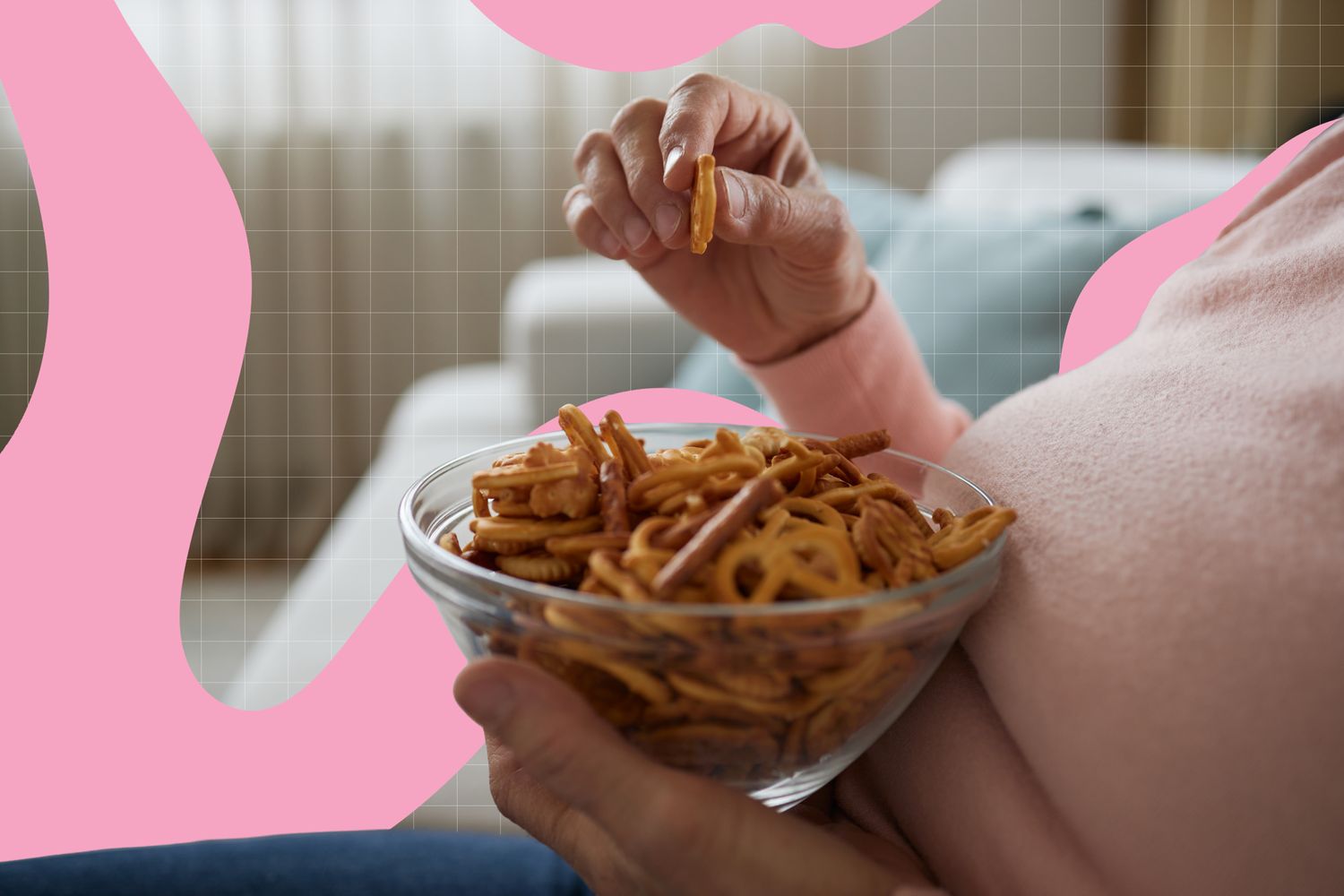
The midafternoon slump hits almost everyone. Around 2 or 3 p.m., energy dips, focus fades, and a salty, carb-rich snack feels like the fastest and easiest way to make it through the rest of the day. While an occasional handful of chips or pretzels isn’t a big deal, making salty snacks a daily habit may have hidden consequences by silently raising your blood pressure. And high blood pressure can increase your risk of heart disease and stroke.
How does it happen? To find out, we spoke with registered dietitians. Here’s what they told us about the link between salty snacks and blood pressure, plus healthier ways to power through that afternoon slump.
How Eating Salty Snacks May Raise Blood Pressure
Eating salty snacks can raise blood pressure in the short- and long-term in multiple ways.
They May Encourage You to Overeat
Many salty snacks are easy to overconsume because they are engineered with ingredients that make them “hyperpalatable,” meaning they are unnaturally tasty. While their hit of salt may light up your taste buds, it also activates reward circuits in the brain that keep you coming back for more.
That’s not all. “Salty snacks are often high in calories and easy to overeat, and weight gain itself is another potential contributor to higher blood pressure,” explains preventive cardiology dietitian Michelle Routhenstein, M.S., RD, CDCES.
Your Blood Vessels May Physically Change
Regularly consuming too much salt can bring about physical changes in your blood vessels, affecting their strength and function. “Over time, regularly eating high-salt foods can make blood vessels stiffer and less able to relax, which further increases blood pressure,” Routhenstein explains. Stiffer arteries are more susceptible to plaque buildup, which increases the risk of heart attack and stroke.
They Can Increase Blood Volume
Your body has mechanisms to maintain fluid balance, blood pressure and blood volume. Eating too much sodium can disrupt these safeguards. “Too much sodium causes the body to hold on to extra water, which increases the amount of blood flowing through the vessels and raises pressure on the artery walls,” says Routhenstein. The effect is similar to turning up the water pressure in a hose. Over time, this repeated excessive pressure damages blood vessels, setting the stage for cardiovascular disease.
Your Blood Pressure May Become Less Flexible
When you regularly eat salty snacks, your body becomes less sensitive to changes in blood pressure. Normally, special pressure sensors in your arteries (called baroreceptors) alert the brain when blood pressure rises. This helps your body respond by relaxing blood vessels and helping the kidneys remove excess fluid.
When blood pressure levels stay elevated for too long and too often—such as with regular high-sodium intake—these sensors start to reset to a higher level. Over time, they don’t respond as effectively. This can cause blood vessels to constrict and prompt the kidneys to hold onto more fluid, both of which may raise blood pressure.
Afternoon Strategies to Try for Better Blood Pressure
- Keep an eye on supplements: Many herbal supplements can raise blood pressure and affect how blood pressure medications work, explains Juliana Vocca, M.S., RD. Ma huang, ephedra and St. John’s wort are major offenders.
- Try mindful breathing: Afternoons can be stressful! Incorporating some mindful breathing exercises can help with relaxation and stress reduction. Some evidence suggests that breathing exercises can lower systolic and diastolic blood pressure by 5 and 3 millimeters of mercury (mmHg), respectively.
- Stay hydrated: “Dehydration can make blood pressure harder to regulate, so drinking water is important,” says Brannon Blount, M.S., RDN, LDN. Vocca agrees and recommends keeping a refillable bottle nearby and sipping from it regularly.
- Set a caffeine quota: Too much caffeine can cause temporary blood pressure spikes, explains Blount. Additionally, drinking caffeine late in the day can lead to trouble sleeping, which can also impair heart health. The American Heart Association recommends limiting caffeine intake to less than 300 milligrams per day for blood pressure management.
- Incorporate movement: Both aerobic exercise and strength training can help lower blood pressure. For the best results, aim for 150 minutes or more of moderate aerobic activity and two strength-training sessions each week. If that sounds like a lot, know that all movement counts! So, take a walk with a friend, go for a leisurely bike ride or have a family dance party.
- Choose potassium-rich snacks: Eating for better blood pressure isn’t just about reducing sodium. Adding potassium-rich foods to your routine can also help keep your numbers in check, as potassium helps counter the blood-pressure-raising effects of sodium. Instead of salty snacks, opt for potassium-rich options like fresh fruit, sliced veggies, unsalted pumpkin seeds or almonds, or plain yogurt, recommends Routhenstein. Not only are they high in potassium, they’re low in sodium, too.
Meal Plan to Try
You Just Found Out You Have High Blood Pressure—Try This Easy 30-Day Meal Plan
Our Expert Take
If you typically reach for a salty afternoon snack, it could be raising your blood pressure without you even knowing it. Regularly eating lots of salty foods can stiffen your blood vessels, which can lead to hypertension. Salty snacks may also promote high blood pressure by increasing blood volume and blunting the body’s sensitivity to changes in blood pressure. While you don’t have to give up salty snacks entirely, you might want to go easy on them–for your heart’s sake. The good news? Small shifts in your day, like choosing potassium-rich snacks, staying hydrated, avoiding too much caffeine and moving regularly, can all help support healthier blood pressure.