

:max_bytes(150000):strip_icc():format(jpeg)/The-1-Carb-for-Weight-Loss-According-to-a-Dietitian-5f5aca71e6d647f9b42f537ff8e20bd3.jpg)
- Whole grains contain fiber and have been associated with weight loss.
- Eating whole grains instead of refined grains may also reduce your risk of chronic disease.
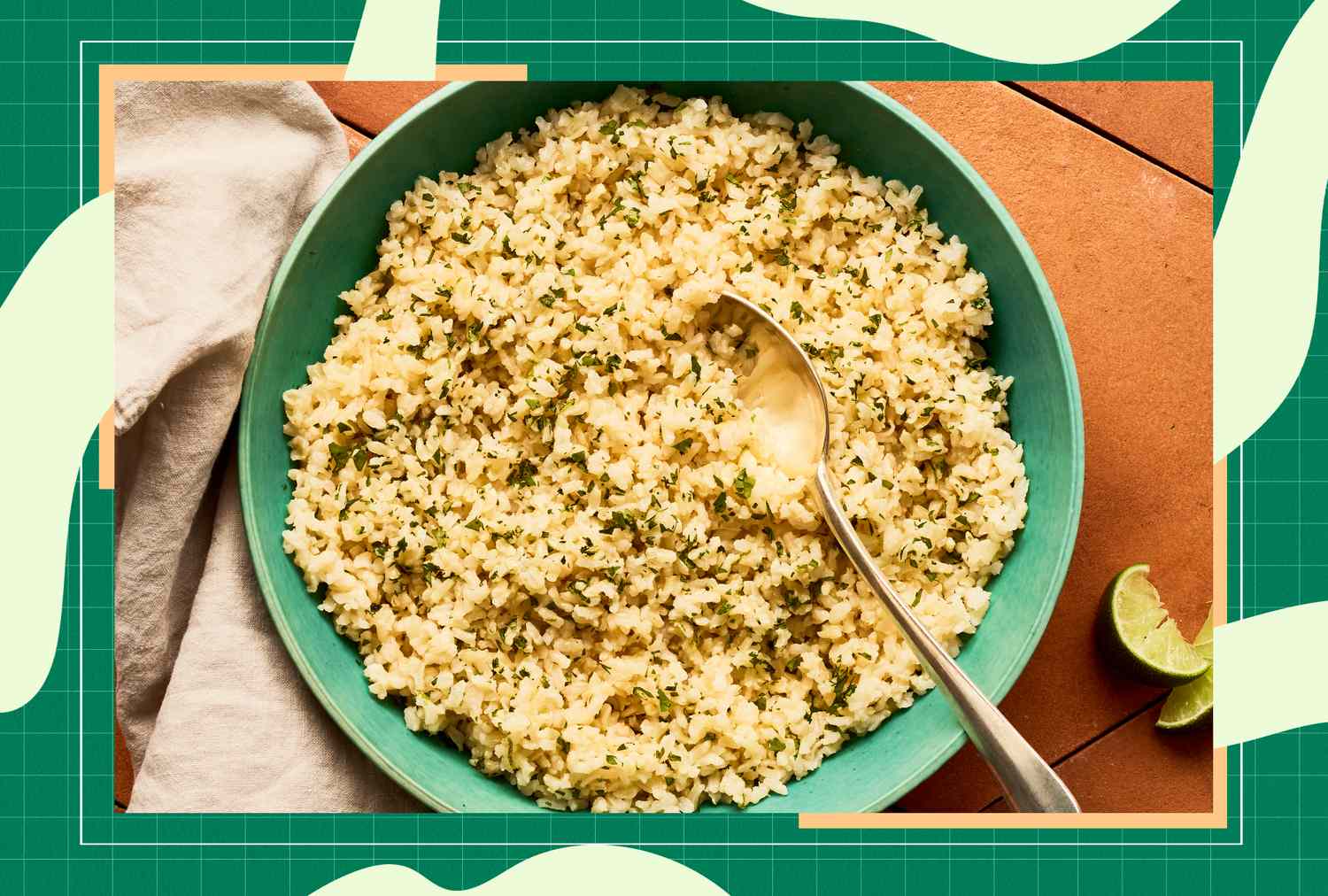
- Whole grains include oats, whole wheat, quinoa, brown rice, farro, bulgur, tef and buckwheat.
Many people believe they have to ditch carbs to lose weight. And while some people may feel well when reducing carbohydrates in their diet, totally avoiding carbs can have potentially harmful outcomes in the long run.
If you are a carb-lover and want to lose weight, we have some good news for you. Carbs can play a starring role in a healthy weight-loss diet. And while all foods can fit in a healthy eating pattern, even when you’re trying to lose weight, eating more of certain types of carbs that support weight loss can help you get closer to your goal—and be happier, more content and less distracted by food preoccupation while doing it.
Carbs are found in a variety of nutritious foods, including fruits, vegetables, nuts, beans, lentils and dairy—not just bread, pasta and cake. The key is the type of carbohydrate, as those higher in fiber can help with weight loss.
“Carbohydrates offer so many health benefits,” says Caroline Susie, RDN, spokesperson for the Academy of Nutrition and Dietetics. “The fiber found in complex carbs can help keep you fuller longer, which is great news if you are trying to manage your weight.”
Susie adds that complex carbs are fruits, vegetables, nuts, beans, legumes and whole grains, and all contain fiber. A recent retrospective analysis study suggests that adults who ate more fiber lost more weight compared to those who ate less of the nutrient over 16 weeks. Another perk? Those who increased their fiber intake also chose healthier, more nutrient-dense foods.
According to Susie, whole grains are the best type of carb for promoting weight loss. Whole grains are grains that contain the entire grain: bran, germ and endosperm. “Whole grains taste delicious, are extremely satisfying and are a good source of fiber,” says Susie.
Here’s how whole grains can help you get closer to your weight loss and health goals.
May Help You Stick to a Weight Loss Plan
The key to managing your weight is consistency. “It’s hard to be consistent when you’re on a restrictive meal plan and feel deprived,” says Susie. “Including healthy whole grains can help you stick with your game plan better to manage your weight.”
While it’s true that some people can thrive on a low-carb diet, others feel limited and are more impacted by food preoccupation. When you incorporate sources of healthy carbs into your diet, you decrease the likelihood of feeling deprived.
May Protect Against Chronic Diseases
People who eat more whole grains consume more fiber. Replacing refined grains with whole grains may help protect against diseases like heart disease, diabetes and some types of cancer. The 2025-2030 Dietary Guidelines for Americans suggests eating 2 to 4 servings of whole grains a day, and limiting refined carbohydrates.
May Support a Healthy Weight
People who eat more whole grains may be more likely to maintain a healthy body weight. One review study found an inverse relationship between weight and whole grain intake. This means that individuals who consume more whole grains may have a lower risk of weight gain. Why? Whole grains may decrease appetite, and could also improve the health of your gut microbiome, which, over time, could reduce your weight.
May Help Reduce Visceral Fat
An observational, cross-sectional study found that an increased intake of whole grains over refined was associated with lower abdominal obesity. This is important because excess visceral fat—the type of fat that hangs out deep inside your abdomen—may be an indicator of metabolic disease, and is associated with inflammatory processes that play a role in disease. Replacing refined grains with sources of whole grains may reduce risk of these outcomes. This can be done by simple swaps—white bread for whole grain bread, or white pasta for whole-wheat pasta.
Other Things to Consider
Susie says that those who restrict carbohydrates as part of a weight loss plan do lose weight quickly. “Anytime you restrict, you will see weight loss,” says Susie, who points out that the goal is long-term loss, which means finding an eating plan that you can stick to for the long haul. Restricting carbs too much can result in feeling of deprivation and backfire in the long run.
In addition, when you’re focusing on losing weight, Susie also recommends paying attention to the timing of meals and snacks and the amount or portion size. She says that eating on a regular schedule will help regulate hunger, decreasing food preoccupation and hunger throughout the day, so you’re less likely to overeat.
In addition, pairing your whole grains (or any carbohydrate source) with a protein source may improve satiety. For instance, eat a couple of hardboiled eggs alongside your oatmeal for breakfast, add rotisserie chicken to your whole-grain pasta or toss some shrimp into fried rice with veggies.
Our Expert Take
If Susie had to choose a specific type of carbohydrate that was best for weight loss, she would go for whole grains. Foods like brown rice, whole grain bread and pasta, farro, bulgur and others are rich in fiber and plant protein, which promotes satiety and can help you stick to a healthy diet. Best of all, this balanced approach is one that you can continue over time to maintain weight loss for the long haul.