

Key Takeaways
- Drinking aloe vera juice in the evening can produce a laxative effect in the morning.
- Drinking aloe vera juice shortly before meals may help alleviate symptoms of GERD or acid reflux.
- Drinking aloe vera juice with or after meals can ensure optimal absorption by your gut.
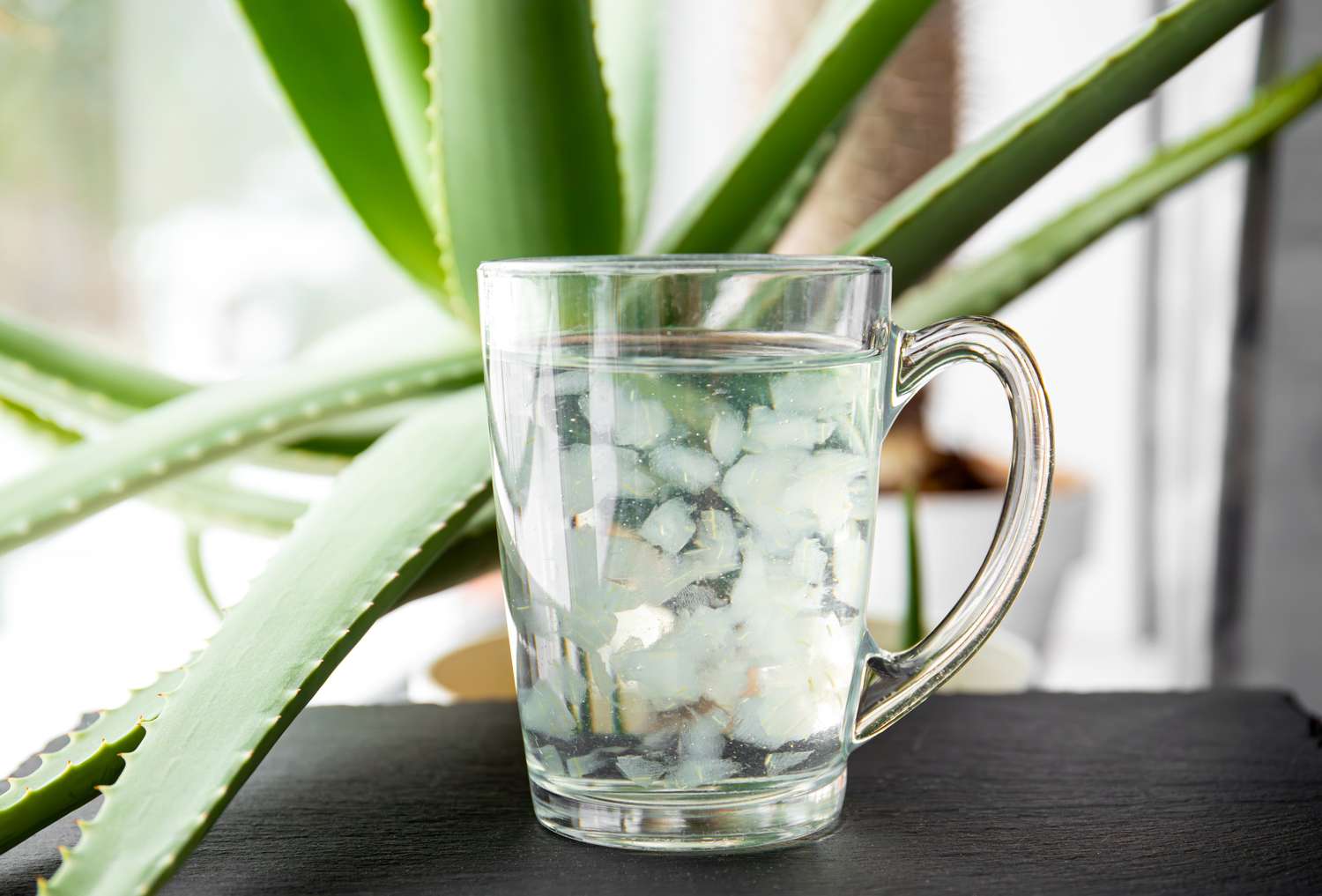
Aloe vera juice, made from aloe vera gel and water, is often marketed as a natural remedy for addressing gut-related issues such as constipation and acid reflux. While there is no conclusive evidence indicating a best time to drink aloe vera gel for digestive health, consuming it at specific times may support different health goals.
When to Drink Aloe Vera Juice for the Most Benefits
- For regularity and relief of constipation, drink aloe vera juice at bedtime to help alleviate morning discomfort.
- For soothing gastrointestinal irritation or acid reflux, drink aloe vera juice before meals to help coat your stomach and esophagus.
- For antioxidant and anti-inflammatory benefits, drink aloe vera juice with food to take advantage of the way digestion enhances the release of its bioactive compounds.
Why Timing Might Matter
While there is some evidence that consuming aloe vera can have an impact on digestive health, research is limited, and quality studies administered with controlled timing are lacking. Existing clinical insights on timing include:
- Aloe vera juice has an established laxative effect due to the presence of aloe emodin and aloin A and B, bioactive compounds known as anthraquinones, which work like a stimulant laxative, requiring about six hours or more to take effect.
- Drinking aloe vera before bed helps you have a bowel movement soon after waking, considered an optimal time because it allows you to benefit from the impact of your internal clock (your circadian rhythm) on your natural urge to have a bowel movement (gastrocolic reflex).
- Research on the use of aloe vera syrup in reducing symptoms of gastroesophageal reflux disease (GERD) has demonstrated that aloe vera is a safe and well-tolerated treatment for this application.
- The benefits of aloe vera on GERD symptoms are attributed to the plant’s anti-inflammatory and antioxidant properties, which support gut-protective effects. This suggests that aloe vera may be most useful when consumed before meals to reduce symptom severity.
- Research using a simulated digestive model found that the beneficial compounds in aloe vera juice, such as aloin, kaempferol, and resveratrol, become more bioaccessible and available for absorption when the juice reaches your intestines while your digestive system is actively working, such as before a meal or with food.
How Much and How Often to Drink Aloe Vera Juice
- Consume aloe vera juice within safe limits. Aloe vera juice is safest when used in small quantities. According to research, consuming more than 2 to 2.7 tablespoons (30 to 40 milliliters) of aloe vera juice per day can have strong laxative effects and toxic results.
- Follow product guidance. Use the serving size specified on the package, as different aloe vera juice products contain varying amounts of active ingredients.
- Consider short-term use. Short-term daily consumption of aloe vera juice, lasting up to 42 days, has been used safely in studies, while there is less evidence on the safety of long-term use.
How to Use Aloe Vera Juice Safely
- Look for the International Aloe Science Council (IASC) certification seal, which indicates that the product meets quality standards with less than 10 parts per million (PPM) of aloin. This compound can cause digestive discomfort in excess.
- Consuming aloe vera in any form (e.g., gel, latex, or whole leaf extract) may be unsafe for use during pregnancy and breastfeeding.
- Stop using aloe vera juice if you experience side effects, which can include muscle weakness, diarrhea, stomach pain, cramping, and potassium depletion.
- Due to the potential risks of consuming aloe vera, check with your healthcare provider about the safety before using it, especially if you have a health condition or take prescription medication.
:max_bytes(150000):strip_icc()/IMG_09172-9ca0040fa5e74df0b5aac42d8125d477.jpeg)