

Key Takeaways
- Calamine lotion can help relieve itchiness and has a cooling effect on hives.
- Hydrocortisone cream can reduce swelling of hives and is available in both over-the-counter and prescription forms.
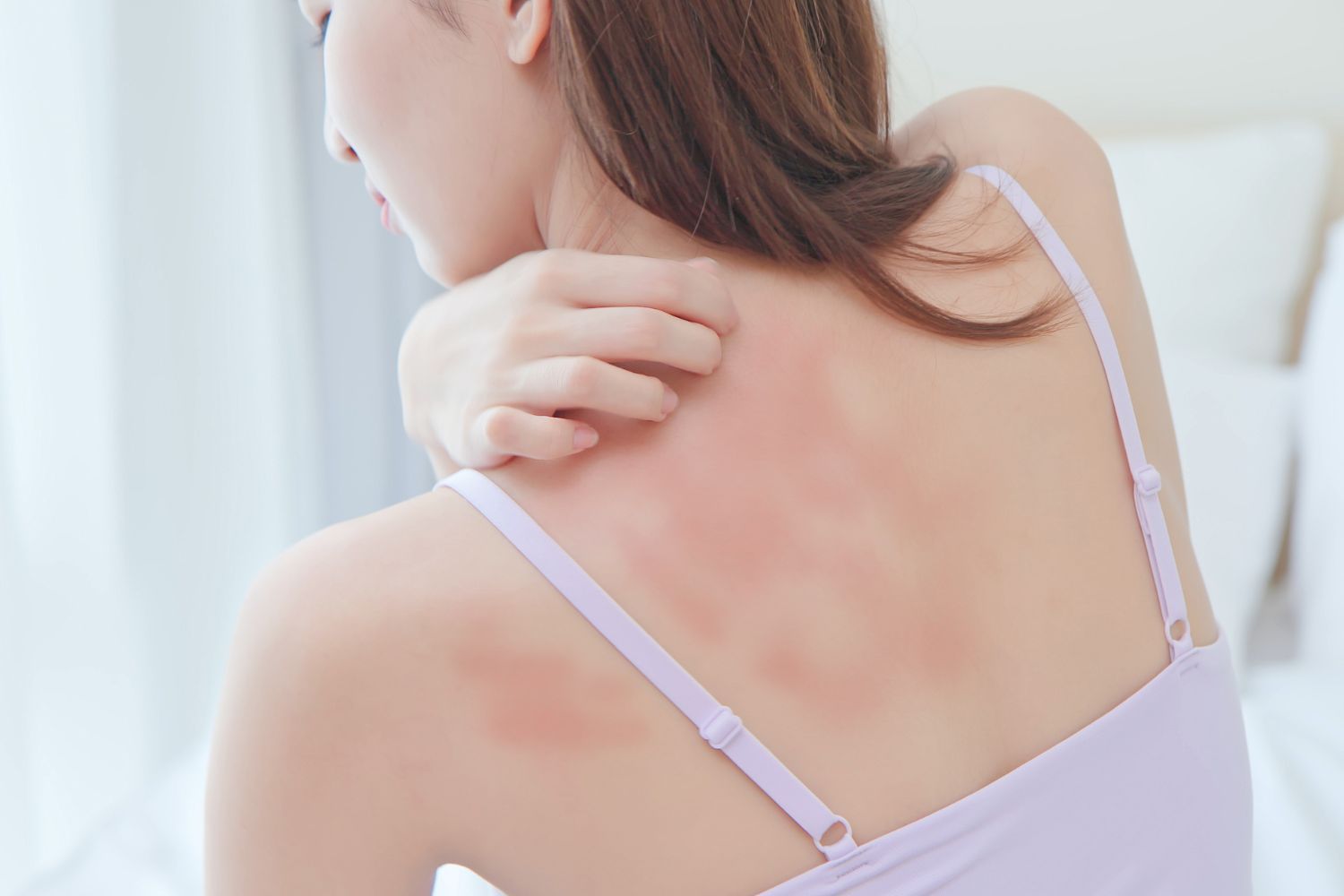
Hives, known medically as urticaria, are red, itchy bumps that appear on the skin. They often go away on their own but sometimes require medications to provide relief as they can be very uncomfortable. Additionally, hives can be long-term or chronic, coming and going for months or even years.
PonyWang / Getty Images
Topical Treatments for Hives
Hives can often be managed at home with over-the-counter (OTC) medications or those prescribed by a healthcare provider. Some medications are taken orally, while others can be applied as a cream or lotion directly to the skin.
While these treatments don’t cure hives permanently, they can:
- Reduce itching
- Provide comfort for those experiencing hives
- Help hives resolve more quickly
Calamine Lotion
Calamine lotion can be applied to skin affected by hives to relieve itching. It is available over the counter, so you don’t need a prescription. In addition to soothing the skin, it has a cooling effect, which is particularly helpful for hives associated with heat.
Hydrocortisone Cream
Hydrocortisone cream is a type of medication known as a steroid, which is applied to the skin. Steroids, or corticosteroids, help reduce the swelling associated with hives. This treatment is available over the counter in lower doses and by prescription for higher doses.
Benadryl (Diphenhydramine) Cream
Benadryl cream (diphenhydramine) is a type of medication called an antihistamine. Histamine is a chemical in the body that leads to hives. Antihistamines block the histamine to treat the reaction.
This nonprescription medication is also available in pill or liquid forms to be taken by mouth. Benadryl is a first-generation antihistamine, meaning it can make people sleepy, so the cream can be an advantage over the oral form because it does not have this effect in most cases.
Aczone (dapsone) is a type of medication called an anti-infective, which is used to treat infections or prevent them from occurring. It is also an anti-inflammatory medication and helps to reduce the reaction and swelling of hives. This medication is available in pill form to treat hives. The topical form has been approved to treat acne.
Side Effects
The side effects of topical treatments for hives can vary depending on the medication used. While these are less common with topical treatments than with oral medications—such as the drowsiness sometimes caused by oral antihistamines—they can still occur.
For instance, using topical corticosteroids may lead to increased hair growth in the treated area or might worsen the skin condition. Individual reactions can differ.
Side Effects of Topical Treatments
- Acne or rash
- Burning or stinging of eyes or open skin
- Increase in symptoms
- More hair growth
- Redness
- Skin irritation
- Spreading of infection
- Thinning of skin
Effectiveness of Topical Treatments
Topical treatments for hives are intended to lessen the reaction and relieve the symptoms until they go away, not cure the condition permanently. They can be effective at providing relief from symptoms depending on the person and the severity of the reaction.
However, topical treatments are not always enough. At times, multiple medications (topical and other) are used together.
Precautions
Topical treatments for hives are not always a good idea. For example, they should not be used if the hives are in a sensitive area or if the skin is open, and some medications are only recommended for people above certain ages. Additionally, just like oral medications, dosing differs among individuals. Corticosteroids need to be measured and applied in safe amounts.
Lotions or creams should not be used:
- On hives located on the face
- Near an infected area
- If there is an open wound or open skin
Other Treatment Options
Topical treatments are not the only way to address hives. In some cases, this may not be enough to control the symptoms. Anyone experiencing long-term hives, severe discomfort, or any signs of severe allergic reaction, such as difficulty breathing, should seek medical care right away.
Call 911 or seek medical care right away if you or someone you know is experiencing signs of a severe allergic reaction such as:
In addition to topical treatment options, other treatments for hives include:
- Determining the cause and preventing the reaction
- Medications that are taken by mouth
- Applying something cold to the skin
- Wearing clothing that is loose and breathable
- Managing stress and practicing relaxation
:max_bytes(150000):strip_icc()/AshleyOlivine-e60b0f7c436248b1ad12bd7a0b8ddc98.jpg)