

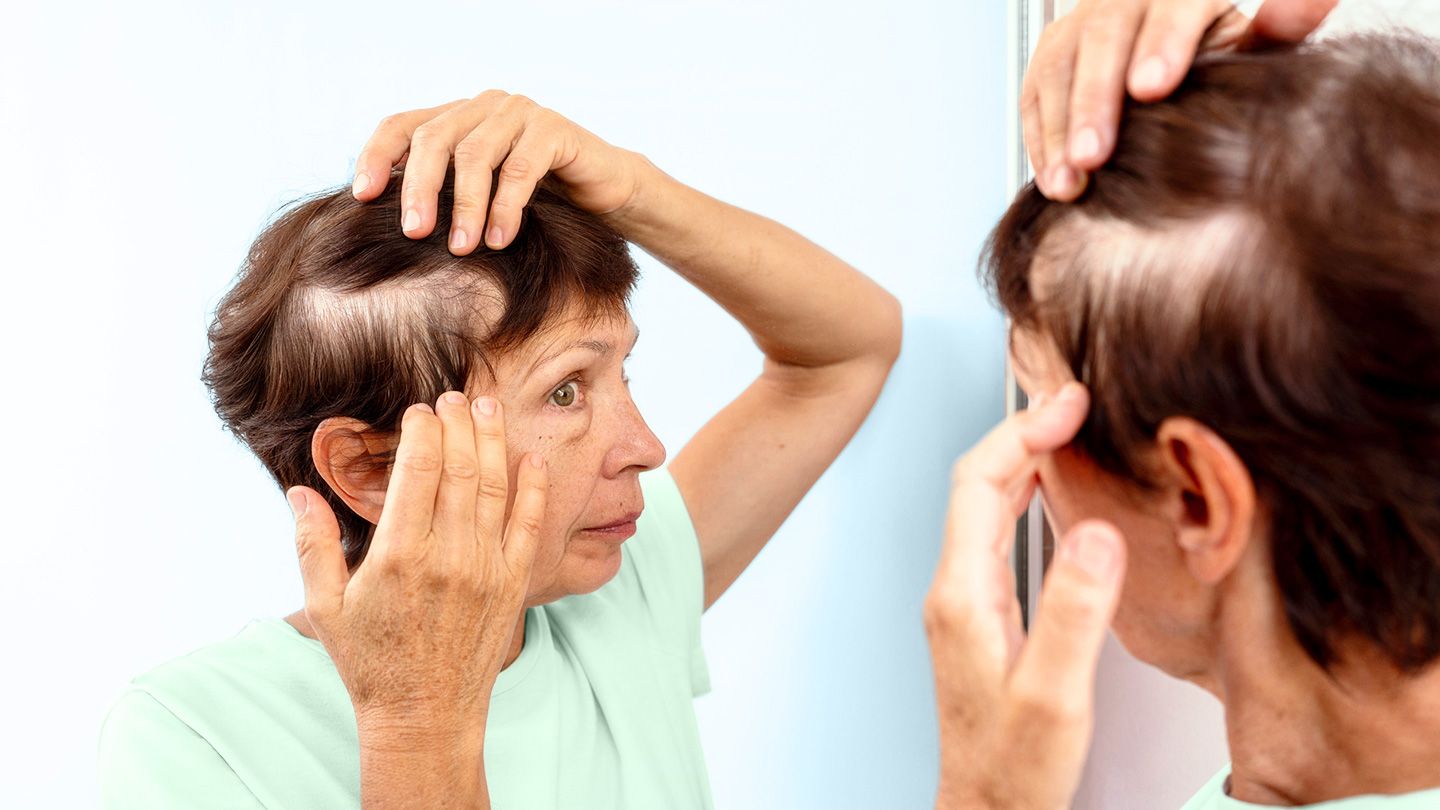
If you notice hair loss, speak to your doctor, says Dr. Davis. The first thing they’ll do is consider the different causes for the hair loss. They will likely see if the hair loss is related to any new medications you’re taking or a change in your dosage. They may recommend testing for other autoimmune diseases that can cause hair loss. If you have another autoimmune disease, treating that illness may also help with hair loss.
If the hair loss is significant or distressing, you can talk to your doctor about changing the medication.
“Controlling RA is very important, and there are possible upsides and downsides to stopping the DMARD and switching to something else,” says Davis. A different DMARD may affect you differently, so you need to weigh the benefits and potential side effects of each medication. “My sense is that patients choose to switch medications only when the hair loss is pretty disruptive for them,” says Davis.
If switching medications isn’t possible, your doctor may refer you to a dermatologist, who can recommend treatments that directly address hair loss, such as minoxidil.
Talk to a therapist. A therapist can help cope with pain, sleep, and mood issues that may be related to your RA.
Make sure your RA is being treated. If your symptoms aren’t well managed, it can lead to more pain, less sleep, and more stress. Talk to your doctor if you’re not seeing improvements with your current medications.
Exercise. Exercising can help ease joint pain and stiffness, and it can help relieve stress.
Learn relaxation techniques. Any type of breathing or meditative exercise, even if you do it for just a few minutes, can help reduce your overall stress. And the more you do it, the more helpful it becomes.