

Health and Human Services Secretary Robert F. Kennedy Jr. recently shared that he lost 20 pounds in 20 days on his carnivore and fermented foods diet.
We asked Theresa Gentile, MS, RDN, CDN, a Brooklyn-based registered dietitian and a spokesperson for the Academy of Nutrition and Dietetics, whether the RFK diet is actually feasible for weight loss and overall health.
*This interview has been edited and condensed for clarity.
Q: RFK Jr. recently said he follows the carnivore diet but also eats fermented foods, and this has helped him lose weight and improve mental clarity. What do you think about this diet?
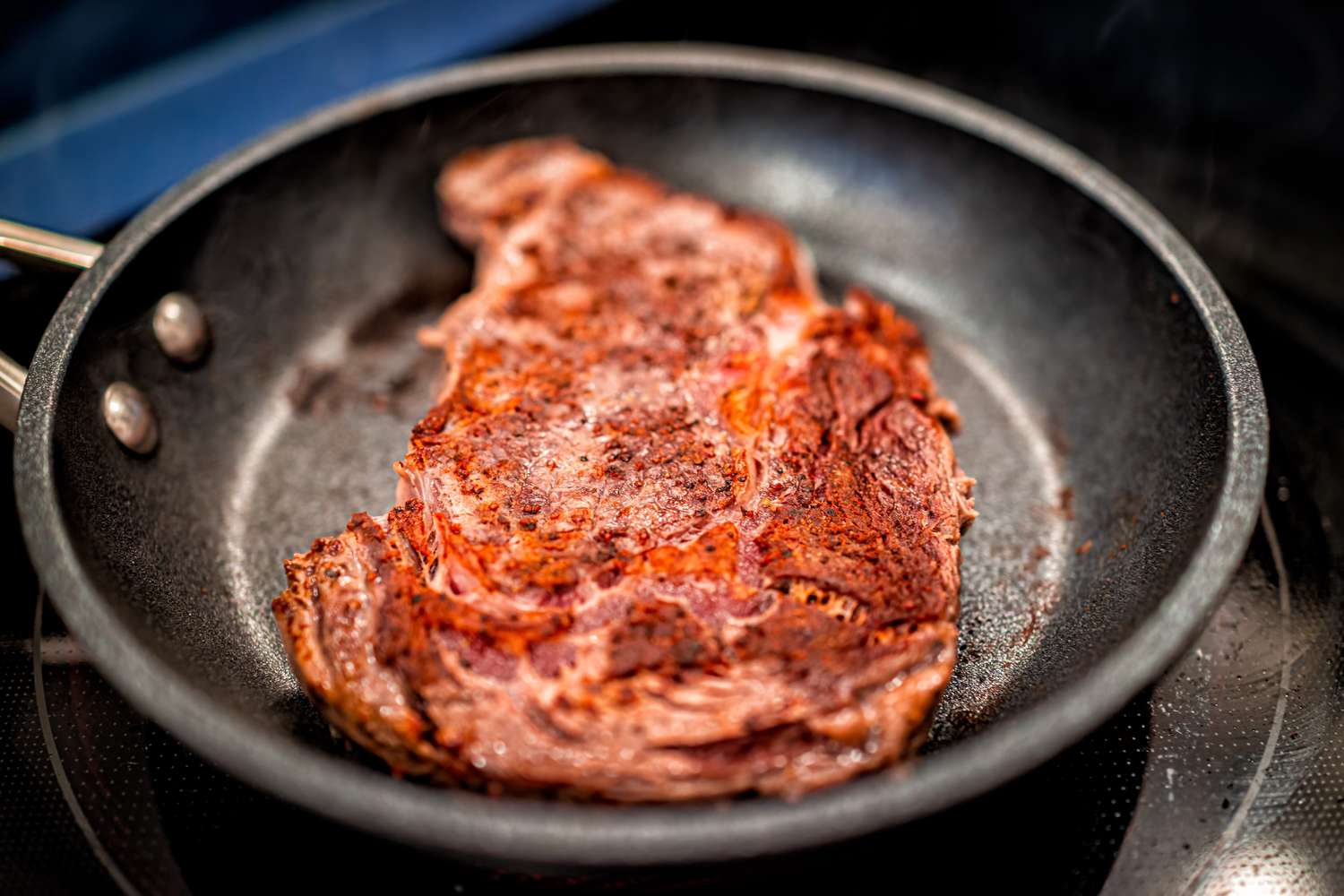
Gentile: The carnivore diet mainly includes meat and animal protein. It is rich in complete proteins, which contain all the essential amino acids that help build muscle mass. This diet helps keep you full longer, supports metabolism, and stabilizes blood sugar. It is often high in heme iron, zinc, and B12, creatine, and omega-3 fats.
But it is high in saturated fat and cholesterol, and could possibly increase LDL cholesterol, especially for people who already have high cholesterol.
It’s also completely devoid of fiber, so it’s good that RFK Jr. is having some fermented foods. Fiber affects our gut microbiome, bowel regularity, colon health, cholesterol control, and blood sugar control.
Even though his diet includes fermented foods, you will miss out on some nutrients that you would get from eating whole food vegetables. You can’t “eat the rainbow” with fermented foods. There are not that many vegetables that are usually fermented, so you will not get all the soluble fiber, insoluble fiber, vitamin C, folate, potassium, magnesium, polyphenols, and antioxidants that you would from eating an array of colorful fruits and vegetables.
The “RFK diet” is not a good long-term strategy. It’s not a varied diet and is missing a lot of nutrients.
It is healthy to have protein foods and fermented foods, but in moderation. Variety is key. You want to maintain a healthy diet forever, not just for the next week.
Q: RFK Jr. said he lost 20 pounds in 20 days and 40% of his visceral fat in a month. Is this realistic or sustainable?
Gentile: Depending on what your dietary pattern looked like before, you might lose weight, in part, because you are eating less.
Some people on GLP-1s can lose weight quickly, but we generally recommend slower weight loss—one to two pounds per week—so the body can get used to it. The body likes to maintain homeostasis, and losing weight too quickly can cause your body to hoard whatever fat it has.
Losing too much too fast can trigger your body to stop losing weight at some point. If you’re losing weight that fast, you’re really cutting out a lot of calories. Unless you’re being very judicious about your nutrition, there is a risk of micronutrient deficiencies, low energy, decreased bowel function, and hair thinning.
Q: Can you really target visceral fat loss?
Gentile: Visceral fat is the fat that’s deep within, not the subcutaneous fat right underneath our skin. Visceral fat is not as healthy because it’s deep belly fat and the fat around our organs, like the heart, liver, or pancreas.
It is not possible to target any particular type of fat with any particular diet. If there were, we would have been doing it already. We would have had the visceral fat-lowering diet. RFK Jr. might have lost a lot of weight, and when you lose a lot of weight, you’re probably also losing visceral fat.
:max_bytes(150000):strip_icc()/StephanieBrownnewheadshot-e5ca9ba2a404491384e9300a7871f190.jpg)