

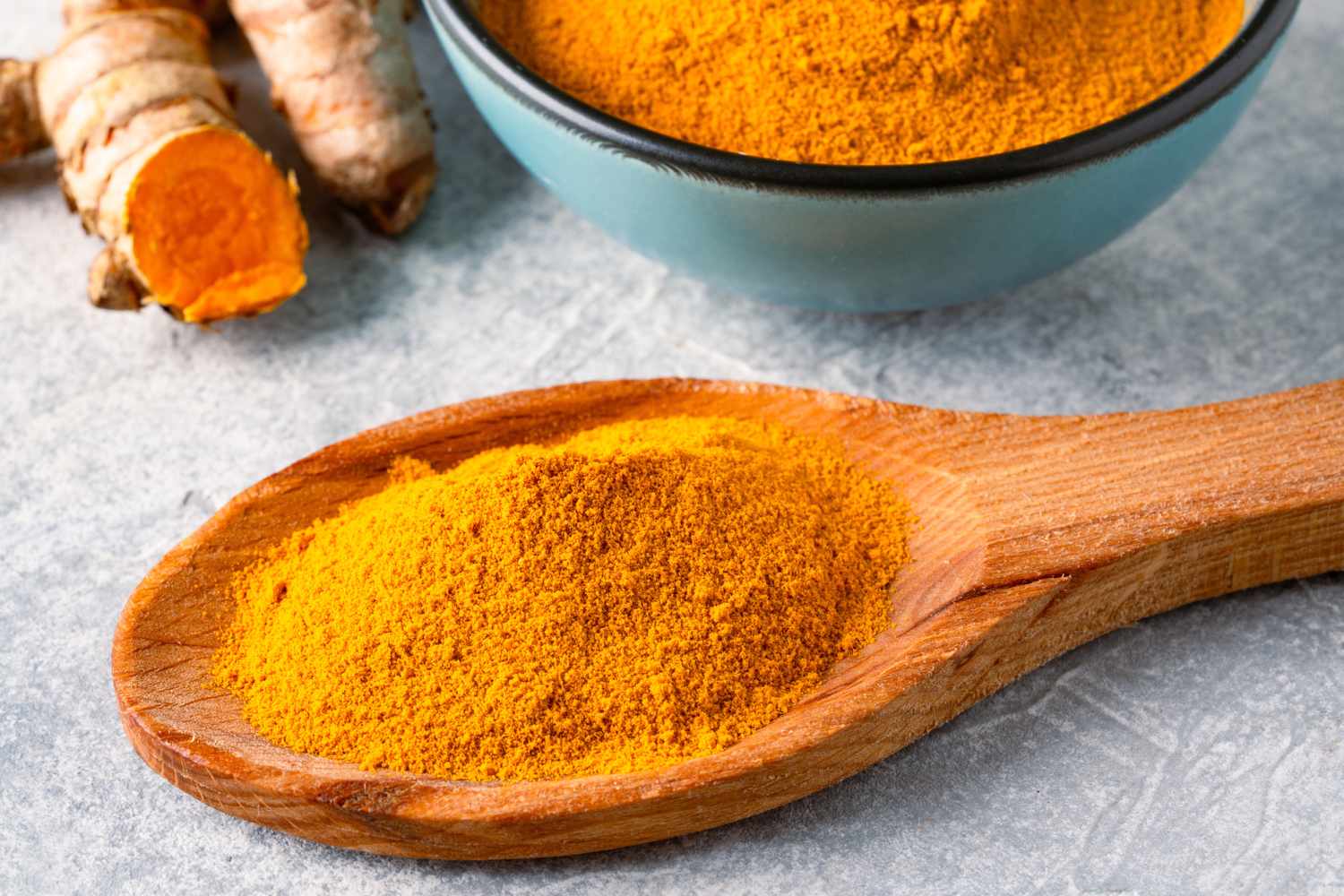
Many people turn to turmeric for its anti-inflammatory properties. Supplements may seem like a convenient and straightforward way to increase your turmeric intake and reap its benefits, but our chief medical officer, Sohaib Imtiaz, MD, says that using turmeric in your cooking may be a better approach.
*This interview has been edited and condensed for clarity.
Q: Why is it better to cook with turmeric than to take turmeric supplements?
Imtiaz: Your body absorbs and uses turmeric’s active compound, curcumin, more effectively than isolated curcumin supplements. There is also a synergistic effect when eating turmeric with whole foods rather than taking supplements.
When you eat whole foods, you’re consuming other compounds and nutrients from food, whereas when taking supplements, you only get the concentrated dose of curcumin.
Some turmeric supplements contain high levels of curcumin and can cause gastrointestinal symptoms such as nausea, heartburn, and diarrhea. In some cases, excess curcumin (typically from supplements) can negatively impact the kidneys and liver.
There are concerns about the standardization of testing and the purity of curcumin supplements. So turmeric from food is the way to go.
How to Start Using More Turmeric in Your Meals
Adding turmeric powder to meals can provide significant amounts of curcumin, particularly when combined with black pepper and fats, which dramatically enhance absorption.
Piperine, an active component in black pepper, increases the bioavailability of curcumin in turmeric by approximately 2,000%.
Including healthy fats further improves absorption, as curcumin is lipophilic, meaning it dissolves in fat rather than water.
You can add turmeric to curries, soups, smoothies, and rice dishes. Some people drink a warm milk blend with black pepper and turmeric called golden milk.
Try to limit your daily intake to about 1/2 to 1 teaspoon.
How Do You Know If You Would Benefit From Turmeric?
If you have inflammation, you may start to see gut issues, brain fog, or fatigue. One of the best ways to know for sure is to have your blood tested.
A healthcare provider can look for inflammatory markers, such as high-sensitivity C-reactive protein (hs-CRP), and recommend strategies to improve your health.
Sometimes, medical conditions like osteoarthritis and diabetes can cause inflammation. Turmeric has been well-studied for its effects on these conditions. Theoretically, it can help with other inflammatory conditions, such as eczema or psoriasis.
That said, there are many causes of inflammation outside of these medical conditions. For example, excessive stress, a highly processed diet, lack of exercise, too much sedentary time, and poor sleep can all contribute.
When addressing inflammation not caused by a condition, the best approach is to focus on your habits—clean up your diet, prioritize sleep, etc. Turmeric can help with inflammation, but it won’t cure it.
Is Turmeric Safe for Everyone?
Ask your healthcare provider before you start adding more turmeric to your diet, especially if you’re on medications. It can interact with certain blood thinners, proton pump inhibitors, chemotherapy, and blood pressure medications.
If you’re pregnant, you should avoid turmeric supplements. People at risk for kidney stones should be careful, too, since curcumin can increase the risk of developing kidney stones.
:max_bytes(150000):strip_icc()/DrSohaibImtiazPortrait-0e6c2d829c2b4ccba6718549159f2dd2.jpg)