

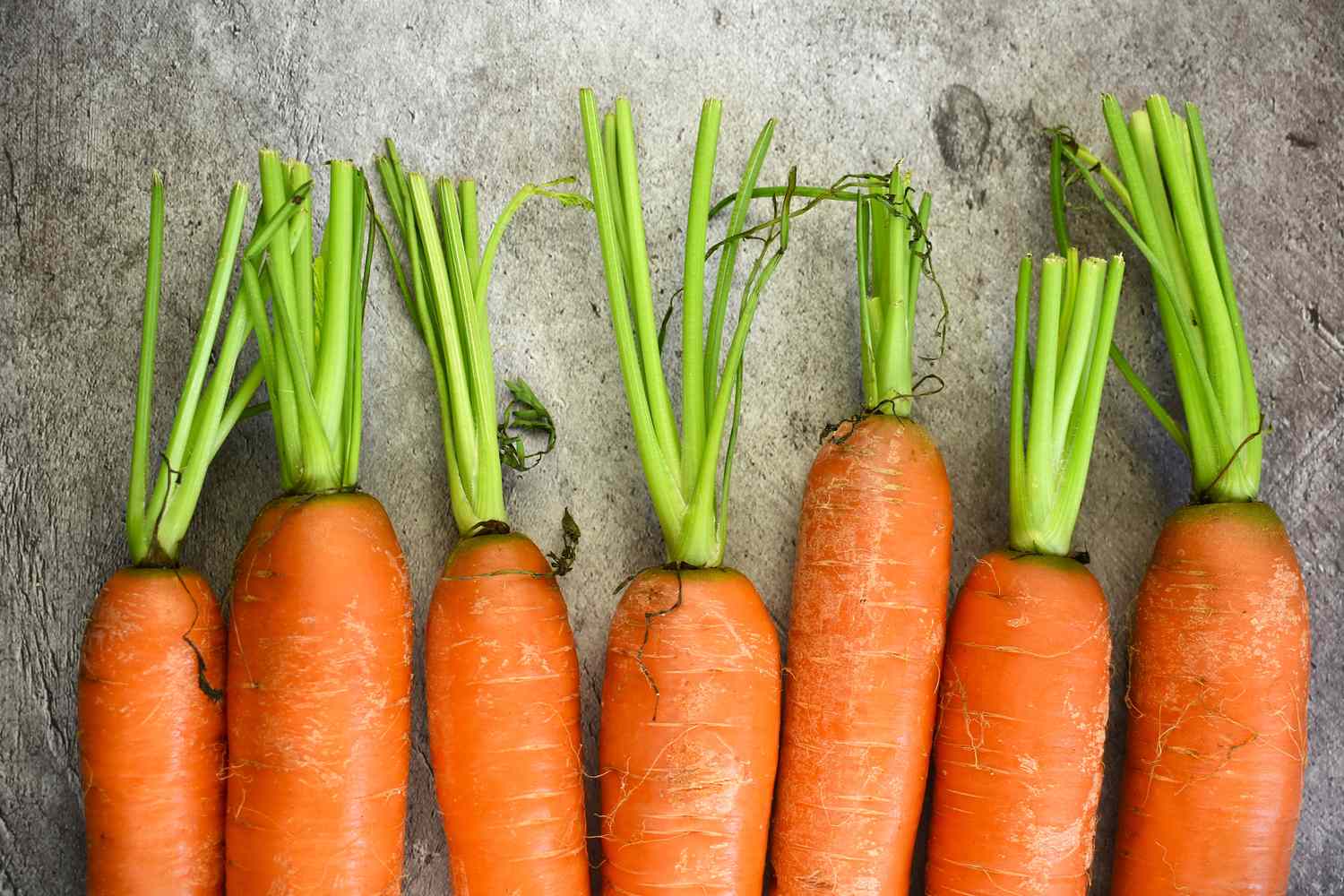
You may have heard the claim that eating carrots can improve vision. This idea comes from the fact that carrots are rich in beta-carotene, a nutrient the body converts into vitamin A.
To understand whether vitamin A really affects eyesight, we talked to Philip D. Kiser, PharmD, PhD, an associate professor of ophthalmology at the Gavin Herbert Eye Institute at UCI School of Medicine.
*This interview has been edited and condensed for clarity.
Q: Does vitamin A really improve vision, and if so, how does it work?
Kiser: Vitamin A, also known as retinol, is a fat-soluble vitamin needed for human vision. It’s transformed within the eye into a derivative called 11-cis-retinal, which is the molecule that allows our retina to detect the light that we consciously perceive as an image.
If a person is deficient in vitamin A, their vision, especially their ability to see in dim light, will be impaired. In this case, vitamin A supplementation would help restore normal visual function.
Humans can’t synthesize vitamin A from scratch. Instead, we get it from our diet in two different forms:
- Pre-formed vitamin A, which is naturally found in animal-derived foods or fortified into some foods like milk and cereal.
- Molecules that serve as precursors to vitamin A, known as provitamin A carotenoids, like beta-carotene.
Carrots are a well-known source of beta-carotene, which is why they are often described as being “good for your eyes.”
Other sources include sweet potatoes, bell peppers, cantaloupe, and dark leafy greens. Both pre-formed vitamin A and provitamin A carotenoids are used in supplements.
Who Needs a Vitamin A Supplement?
Healthy people who eat a balanced diet are generally able to get enough vitamin A from food and don’t require vitamin A supplements.
This is because the human body can store reserves of vitamin A in the liver, eyes, and other organs that can sustain vitamin A-dependent processes in the body for several months, even without new intake of vitamin A.
Additionally, the vitamin A used for vision can be recycled, reducing the need for new vitamin A intake.
People who are malnourished for an extended period of time, have diseases of the GI tract that impair the absorption of fat-soluble vitamins, and those whose diet is low in vitamin A or its precursors can develop a deficiency.
In these cases, you may need to up your intake of foods containing vitamin A or take a supplement.
Is There Such Thing as Too Much Vitamin A?
Vitamin A is very important for a growing fetus, and for newborn babies, so pregnant and breastfeeding women need to get enough of it. A doctor should help decide how much vitamin A to take, because taking too much of the “pre-formed” kind can cause problems in a baby’s development.
Getting too much pre-formed vitamin A—either from supplements or foods like liver—can be harmful and may damage the liver.
But you usually don’t need to worry about getting too much vitamin A from plant sources, like foods with carotenoids. Your intestines have ways to limit how much of these plant forms your body absorbs when you already have enough vitamin A.
How Else Can I Protect My Vision?
There are molecules related to beta-carotene known as “macular pigments” that help shield the retina from damaging blue light and oxidative stress.
These compounds, called lutein and zeaxanthin, are found in foods like mangos, egg yolks, corn, and green-leafy vegetables and are also components of the AREDS2 eye supplement.
Getting enough of these compounds is believed to help prevent some retinal diseases, like age-related macular degeneration.
:max_bytes(150000):strip_icc()/FE3F9AD2-9085-40B8-8E8E-AF95656B0B37-048bcc651b0f4063b40038d3df45e712.jpeg)