

Key Takeaways
- Welts, also known as hives, are raised bumps on the skin that can be caused by allergies, injuries, or infections.
- Treatments for welts include cold compresses, anti-itch creams, and antihistamines, but see a healthcare provider if they persist.
A welt is an area of skin that becomes raised after pressure is applied or an injury occurs. Other causes include allergic reactions or infections.
This article discusses the symptoms, causes, and treatment options for welts.
gokhanilgaz / Getty Images
Symptoms of Welts
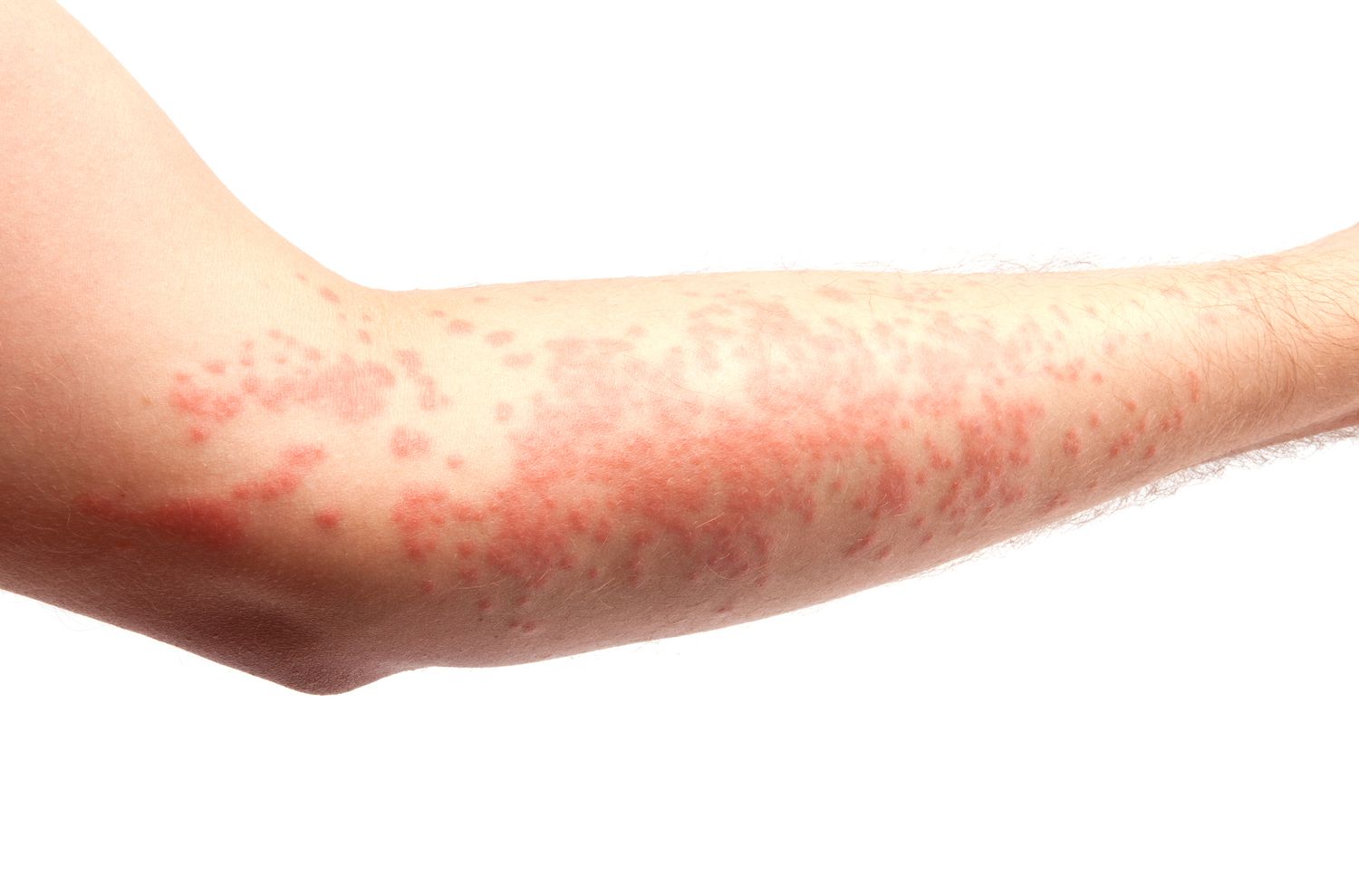
Welts can appear on the skin without other symptoms. They are usually the same color as the skin but can turn red or pink and become itchy. Welts may be small and round, or they can have random shapes and be more noticeable. Most welts resolve within a few days, but they can also become chronic and recur frequently.
Are Welts Considered a Rash?
Welts can develop as solo or a small number of raised bumps on the skin, but if they grow in a cluster, they can be considered a skin rash.
Causes of Welts
Several things can cause a welt to develop on the skin. Pressure or an injury is one of the leading causes because the skin becomes swollen, inflamed, and rises in response to that injury.
Welts can develop when a person breaks out into hives as well. Other causes can include:
- Allergic reactions: Insect bites or stings and environmental or food allergies can cause a person to break out into welts all over their body.
- Infections: Some infections, such as COVID-19, can lead to the development of welts on the body.
- Exposure to cold or heat: Welts can develop due to extreme heat or cold. The drastic temperature changes can be natural or artificial, such as in air-conditioned or heated rooms or buildings.
- Emotional stress: The type of welts that develop because of emotional stress are called hives. When many welts develop, they are called a stress rash.
- Immune system: In cases of long-term or chronic welts, it’s thought that the immune system may play a role and be attacking healthy tissues that lead to the welts developing.
- Other diseases: Diabetes, rheumatoid arthritis, and thyroid conditions can all lead to the development of welts or hives on the skin.
- Unknown origin: In some cases, welts may develop on the skin without any underlying cause. These types are known as idiopathic welts.
What Can Trigger Welts or Hives?
Some things, such as drinking alcohol and caffeine, can trigger welts in some people. Other triggers include exposure to sunlight, exercise, and swimming.
What Medications Can Cause Welts?
Certain medications may cause welts to develop, such as:
If, after taking medication, you develop welts or a hives rash, contact your healthcare provider. They will be able to tell you if it’s safe to continue taking the medication or help you find one that works for you without causing welts.
How to Treat Welts
Treating welts depends on their cause. You may allow welts to heal naturally if they are not severe. To ease symptoms, apply a cold compress, wear loose-fitting clothing, and use anti-itch creams like calamine lotion.
Other treatments can vary depending on the cause and can include:
- Allergic reactions can be treated using antihistamines.
- Infections will be treated on a case-by-case basis. If the hives are from a viral infection, treatment to manage the symptoms will be done while the body fights off the infection.
- Exposure to cold or heat: You can avoid temperature-induced hives or welts by ensuring that your body is covered when out in the cold and that you remain cool in hot temperatures.
- Emotional stress: For stress-induced welts, antihistamines may be used to help quell the body’s reaction. Learning stress-management techniques can also help to reduce the frequency of stress welts. These techniques can include meditating, exercising every day, and practicing mindfulness.
- Immune system: Chronic autoimmune welts or hives can be treated using corticosteroids. One specific type used is prednisone.
Before At-Home Treatment
If you experience welts or hives, you must see your healthcare provider before starting at-home treatment to determine if an underlying health issue is causing them that requires more aggressive treatments.
Are There Tests to Diagnose Welts?
Typically, healthcare providers will be able to diagnose welts by looking at them. That said, diagnosing the cause of the welts requires a more in-depth approach. Your medical provider will ask about your welts, how often they occur, and your health history. In many cases, no further testing will be required.
However, healthcare providers may also inquire about how you generally feel to see if there is any other type of infection or illness. If they suspect there might be, the tests they perform will vary depending on what they think could be causing them. Some possible tests include:
- Allergy tests
- Blood tests to check for infection or underlying health disorders
How Does an Allergy Test Work?
To test for allergies, healthcare providers typically use the skin prick test. The test involves pricking the skin with a small amount of allergen to see if there’s a reaction. If a welt develops, an allergy is present.
When to See a Healthcare Provider
Welts or hives can develop spontaneously and may go away over time. You may not ever get them again. Typically, you will not need to see a medical provider for an acute (temporary) case.
However, if you continuously break out into welts on your body or they are excessively itchy or painful, you should see your healthcare provider. Chronic welts may be caused by an underlying health issue that requires treatment.
:max_bytes(150000):strip_icc()/VerywellBioPicAngelicaBottaro-203f7e803ab444b2b5c13b4252d11159.JPG)