Causes and Risk Factors Causes and Risk Factors of Peptic Ulcers For a long time, it was thought that spicy foods or stress caused peptic ulcers — but doctors now know that isn’t the case. Those two factors can, however, make peptic ulcer symptoms worse.e60dc2a1-f33c-4a05-9b50-8e3e8e597629ae5f59ae-c594-4163-94b5-a824adba4e79 In fact, the most common causes of ulcers are:e60dc2a1-f33c-4a05-9b50-8e3e8e59762992288146-a717-417f-9d56-8fb8a04a2342 Use of nonsteroidal anti-inflammatory drugs (NSAIDs), such as aspirin, Advil or Motrin (ibuprofen), and Aleve (naproxen), can damage the inner lining of your digestive tract Helicobacter pylori ( H. pylori) is a type of bacteria that can infect your stomach Certain factors may put you at greater risk of developing a peptic ulcer, including:e60dc2a1-f33c-4a05-9b50-8e3e8e597629ae5f59ae-c594-4163-94b5-a824adba4e79 Taking high doses of NSAIDs Taking NSAIDs regularly over a long period of time Taking both NSAIDs and corticosteroids , medications that may be prescribed to treat asthma , arthritis, or lupus Being 60 or older with other risk factors Smoking Drinking alcohol Having a history of peptic ulcers In very rare cases, peptic ulcers may be caused by a condition called Zollinger-Ellison syndrome (also known as gastrinoma). It occurs when a tumor of acid-producing cells forms in the digestive tract, producing an excessive amount of acid that damages nearby tissue.e60dc2a1-f33c-4a05-9b50-8e3e8e59762916883817-3d0c-4675-a8ff-7eb2caa69eaa Other rare causes of peptic ulcers may include serious illness, surgery, or medications other than NSAIDs.e60dc2a1-f33c-4a05-9b50-8e3e8e5976298d4a72bb-d99d-4cfd-803d-1f570c11dd80
Complications Complications of Peptic Ulcers Without treatment, peptic ulcers can result in severe complications and potential health emergencies, including:e60dc2a1-f33c-4a05-9b50-8e3e8e597629745b86a1-da2e-4c73-b27b-0f521241ec4b Internal Bleeding Ulcers can cause bleeding that occurs quickly or slowly over time. Gradual bleeding can lead to anemia (inadequate red blood cells), while sudden bleeding often requires immediate hospitalization, potentially including a blood transfusion . Perforation (Hole) in the Stomach Wall If an ulcer eats through your stomach wall completely, you’ll be at risk of an infection in your abdominal cavity (peritonitis), which may be life-threatening. Obstruction Swelling or scarring related to your ulcer can block the passage of food through your digestive tract. If that happens, you may feel full quickly or vomit when you eat, and you may lose weight. If you think you or someone you know is having an ulcer emergency, seek immediate medical attention.
Prognosis How Long Do Peptic Ulcers Last? Peptic ulcers caused by medication usually begin to heal shortly after you stop taking the medication. Doctors often recommend taking antacids for two to six weeks to assist with healing and relieve pain.e60dc2a1-f33c-4a05-9b50-8e3e8e5976295bf0a85a-1ed8-4afe-8c9b-5ee9346d1148 Ulcers caused by H. pylori will heal when the bacteria are killed. The typical course of treatment includes two weeks of antibiotics, along with acid-suppressing medicine. This is usually followed by an additional eight weeks of acid-suppressing medicine alone.e60dc2a1-f33c-4a05-9b50-8e3e8e5976296a691da9-74ff-4a12-b34d-370ed6f3cb77 An ulcer can heal temporarily without antibiotics, but it will likely recur — or another one will form nearby — if the bacteria are not killed.e60dc2a1-f33c-4a05-9b50-8e3e8e59762939c730f7-4ccf-4f77-aec9-f6ee86b262f1 In general, stomach ulcers can take roughly four to eight weeks to heal with appropriate medical treatment. But healing time will vary among individuals.e60dc2a1-f33c-4a05-9b50-8e3e8e59762932fcf6a8-bce6-48e4-a1a8-a4647b9e41a6
Types of Peptic Ulcers Types of Peptic Ulcers Peptic ulcers are quite common, affecting about 4 million people each year in the United States. It’s estimated that 1 in 10 people will develop a peptic ulcer at some point.e60dc2a1-f33c-4a05-9b50-8e3e8e59762992288146-a717-417f-9d56-8fb8a04a2342 The most common kinds are named based on the location where they occur. These include:e60dc2a1-f33c-4a05-9b50-8e3e8e597629437d7031-8285-4f15-a108-66bffab72052 Gastric Ulcers A common type of ulcer, these occur on the inside of your stomach. Duodenal Ulcers These are located in the upper part of your small intestine, called the duodenum. Esophageal Ulcers These occur less commonly inside your esophagus, the tube that carries food from your throat to your stomach. You can have more than one type of peptic ulcer at the same time.
The Takeaway Peptic ulcers are sores that can develop on the inner lining of your stomach, upper intestines, and occasionally your esophagus. Although peptic ulcers were once thought to be caused by stress, they’re actually often caused by H. pylori bacterial infections or the chronic use of certain medications, like NSAIDs. Peptic ulcers are marked by abdominal pain that may feel worse when your stomach is empty and feel better temporarily when you eat or take an antacid. In severe cases, peptic ulcers can lead to dangerous symptoms like vomiting blood, blood in the stool, and unexplained weight loss. If you think you have an ulcer, avoid self-medicating and see a doctor for proper diagnosis and treatment.
Diagnosis How Are Peptic Ulcers Diagnosed? If your doctor suspects that you may have a peptic ulcer, the next steps include taking a full medical history and performing a physical exam. Your doctor may also order the following diagnostic tests:e60dc2a1-f33c-4a05-9b50-8e3e8e597629745b86a1-da2e-4c73-b27b-0f521241ec4b Lab Test A stool test or a breath test may be used to determine whether H. pylori bacteria are present in your body. Endoscopy During this procedure, a flexible tube with a camera will be passed down your throat to your esophagus, stomach, and small intestine. It allows your doctor to look for a peptic ulcer and take a biopsy (tissue sample) if one is present. Barium Swallow For this test, you’ll swallow a white liquid containing barium, which coats your digestive tract to make ulcers more visible in a series of X-rays of your upper digestive tract.
Lifestyle Changes and Prevention Lifestyle Changes and Prevention of Peptic Ulcers Certain lifestyle changes may help you recover from a peptic ulcer:e60dc2a1-f33c-4a05-9b50-8e3e8e59762932fcf6a8-bce6-48e4-a1a8-a4647b9e41a6 Watch your diet. If you know that specific foods or drinks make your ulcer feel worse, avoid them until your treatment is over. For many people, these include alcohol, caffeine, fatty foods, or spicy foods. Stop smoking. Ulcers take longer to heal, and medications for ulcer treatment may be less effective if you are a smoker. Scientists don’t know exactly why smoking has those effects. Use pain medications with caution. Pain relievers known as NSAIDs , which include aspirin, ibuprofen, and naproxen, can slow ulcer healing even if they didn’t cause your peptic ulcer. Acetaminophen (Tylenol) does not cause ulcers, so it may be a good substitute. Be sure to talk to your doctor before taking any of these medications; they may continue putting you on a PPI drug to prevent ulcer recurrences. Taking medication with food may also help. As far as prevention, peptic ulcers caused by H. pylori are not usually preventable. That said, you may be able to prevent other types of peptic ulcers by avoiding overuse of NSAIDs, limiting alcohol, or avoiding smoking.
Treatment and Medication Treatment and Medication Options for Peptic Ulcers Your course of treatment will be based on the cause of your peptic ulcer. Treatment typically involves taking acid-suppressing medications to kill H. pylori bacteria, if present, and to promote healing, as well as stopping any medications that are causing your peptic ulcer. You may also experience symptom relief from certain lifestyle measures. Medication Options If your peptic ulcer is found to be caused by an H. pylori infection, your doctor will prescribe antibiotics to kill the bacteria in your digestive tract.e60dc2a1-f33c-4a05-9b50-8e3e8e597629745b86a1-da2e-4c73-b27b-0f521241ec4b Over-the-counter antacids like Mylanta, Rolaids, or Tums can help you feel better, but they will not heal ulcers. If left untreated, complications from ulcers can occur.e60dc2a1-f33c-4a05-9b50-8e3e8e597629745b86a1-da2e-4c73-b27b-0f521241ec4be60dc2a1-f33c-4a05-9b50-8e3e8e597629c3028367-06c4-4a66-9cdf-110c4b1de73c Proton pump inhibitors (PPIs) are drugs that block acid production and promote healing of peptic ulcers. PPI drugs include:e60dc2a1-f33c-4a05-9b50-8e3e8e597629745b86a1-da2e-4c73-b27b-0f521241ec4b Lansoprazole (Prevacid) Omeprazole (Prilosec) Pantoprazole (Protonix) Rabeprazole (Aciphex) Acid blockers, also called H2 blockers, reduce acid production and heal ulcers. These include:e60dc2a1-f33c-4a05-9b50-8e3e8e597629745b86a1-da2e-4c73-b27b-0f521241ec4b Cimetidine (Tagamet HB) Famotidine (Pepcid) Nizatidine (Axid AR)
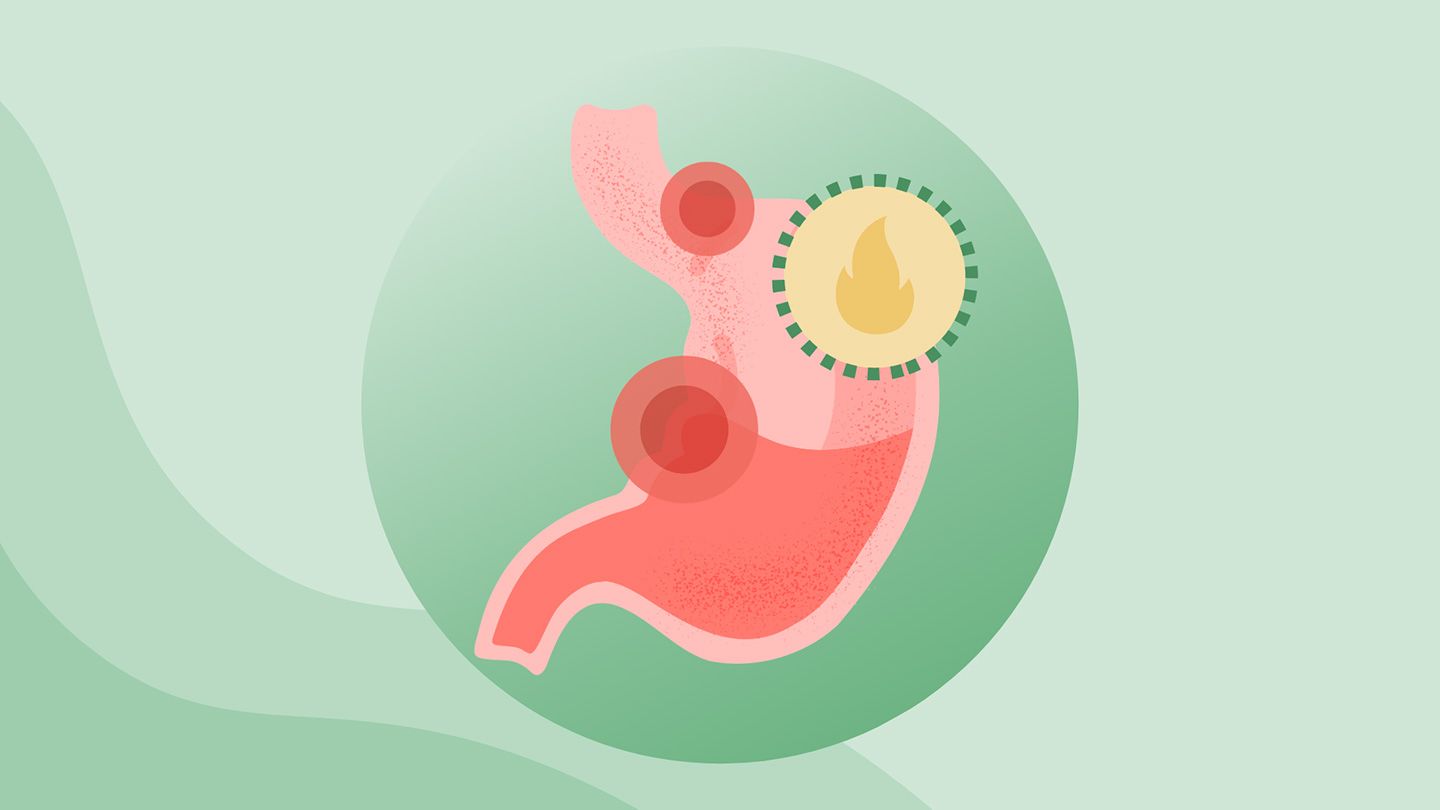
A peptic ulcer is a type of sore that develops on the inner lining of your stomach or duodenum, the upper part of your small intestine just beyond your stomach. In some cases, a peptic ulcer may develop just above your stomach, in your esophagus.e60dc2a1-f33c-4a05-9b50-8e3e8e597629956788f4-af81-4088-8dd7-7d6185cf7aba Anyone can develop a peptic ulcer. They’re often caused by a bacterial infection or certain medications. In rare cases, tumors cause them. Contrary to popular belief, they don’t happen due to having stress or eating spicy foods. The most common symptom is simply abdominal pain. And the good news is that peptic ulcers are very treatable.e60dc2a1-f33c-4a05-9b50-8e3e8e597629ae5f59ae-c594-4163-94b5-a824adba4e79
Signs and Symptoms Signs and Symptoms of Peptic Ulcers Many people with peptic ulcers don’t have any signs or symptoms. If they do, upper abdominal pain is often the most common one. But abdominal pain can occur anywhere from your navel up to your breastbone, and it may follow any of these patterns:e60dc2a1-f33c-4a05-9b50-8e3e8e597629c3e3d72b-5ebe-4c6a-a8bd-3580fb5c936d Feels worse when your stomach is empty Feels better temporarily when you eat or take an antacid Gets worse at night Comes and goes for days or weeks Less commonly, a severe or complicated peptic ulcer may cause the following symptoms:e60dc2a1-f33c-4a05-9b50-8e3e8e597629ae5f59ae-c594-4163-94b5-a824adba4e79 Nausea or vomiting Vomiting red or dark blood Bloody, black, or tar-like stools Changes in your appetite Feeling dizzy or fainting
Resources We Trust Mayo Clinic: Peptic Ulcer Cleveland Clinic: Peptic Ulcer Disease Johns Hopkins Medicine: Stomach and Duodenal Ulcers (Peptic Ulcers) National Institute of Diabetes and Digestive and Kidney Diseases: Symptoms and Causes of Peptic Ulcers (Stomach or Duodenal Ulcers) MedlinePlus: Peptic Ulcer
What Are Peptic Ulcers?