

Key Takeaways
- See your healthcare provider to find the cause of vaginal skin peeling so you can treat it properly.
- Yeast infections and contact dermatitis are common causes of vaginal skin peeling.
Vaginal skin peeling can be unsettling, but it often stems from common conditions like yeast infections, eczema, or contact dermatitis. Identifying the specific cause with your healthcare provider can lead to effective treatment and relief.
Verywell / Laura Porter
What Causes Vaginal Skin Peeling?
Several conditions can cause inflammation in the vulva (vulvitis) or the vagina (vaginitis), leading to vaginal skin peeling. Six potential causes include:
Yeast Infection
Many women may have at least one yeast infection during their lifetime. These infections happen when the fungus Candida grows too much. While Candida is normally present in the vagina, certain conditions can cause it to overgrow and lead to an infection.
Symptoms of a vaginal yeast infection include:
- Itching
- Irritation
- Burning during urination
- Pain during sex
- Rash
- Whitish-gray, clumpy, cottage cheese-like discharge
Contact Dermatitis
Contact dermatitis is a rash resulting from contact with certain substances. Common irritants or allergens that may cause a vaginal rash include:
- Soap
- Fragrances
- Laundry detergent
- Lubricants
- Latex
Symptoms of contact dermatitis include:
- Red rash
- Itching
- Blisters
- Peeling
- Swelling
- Hives
Symptoms usually resolve within a few days to two weeks once the irritant is removed.
Eczema
Eczema, also known as atopic dermatitis, is an inflammatory skin condition often starting in childhood. Symptoms can come and go and, while flare-ups usually appear on the arms and behind the knees, they can occur anywhere on the body.
Symptoms of eczema include:
- Red rash
- Itching
- Dryness
- Flaking
- Bumps
- Cracks in the skin
- Peeling skin
Bacterial Vaginosis
Bacterial vaginosis happens when one type of bacteria grows too much in the vagina. Activities that change the pH balance in this area may increase the risk. These activities include:
- Sexual intercourse
- Using fragranced soaps or bath bombs
- Frequent douching
Many people with bacterial vaginosis have no symptoms. When symptoms occur, they may include:
Herpes
Herpes is a viral infection and a sexually transmitted infection (STI). Once acquired, the virus stays in your body, with symptoms that come and go. It spreads more easily during flare-ups when active symptoms are present.
Symptoms of herpes include:
- Pain
- Itching
- Sores
- Open sores, known as ulcers
- Scabs
Lichen Sclerosus
Lichen sclerosus is a rare condition mainly affecting postmenopausal women or young girls who haven’t started menstruating. Its cause is not well understood.
Symptoms of lichen sclerosus may include:
- Thin, white patches of skin around the genital area
- Itching
- Discomfort
- Skin tears
What to Expect During a Diagnosis
Many skin conditions that cause vaginal skin peeling have similar symptoms, making self-diagnosis challenging. Visiting your healthcare provider can help you get an accurate diagnosis and a suitable treatment plan.
Your healthcare provider may diagnose your condition by examining the affected area. They might recommend blood tests or a sample from the area to confirm the diagnosis.
When to See a Healthcare Provider
If you notice flaky, itchy, or peeling skin in your vaginal area, consult your healthcare provider for a proper diagnosis. Some conditions might need prescription medication.
Treatments your doctor may prescribe include:
- Antifungal treatment
- Antibiotics
- Antivirals
- Oral corticosteroids
Ways to Treat Vaginal Skin Peeling at Home
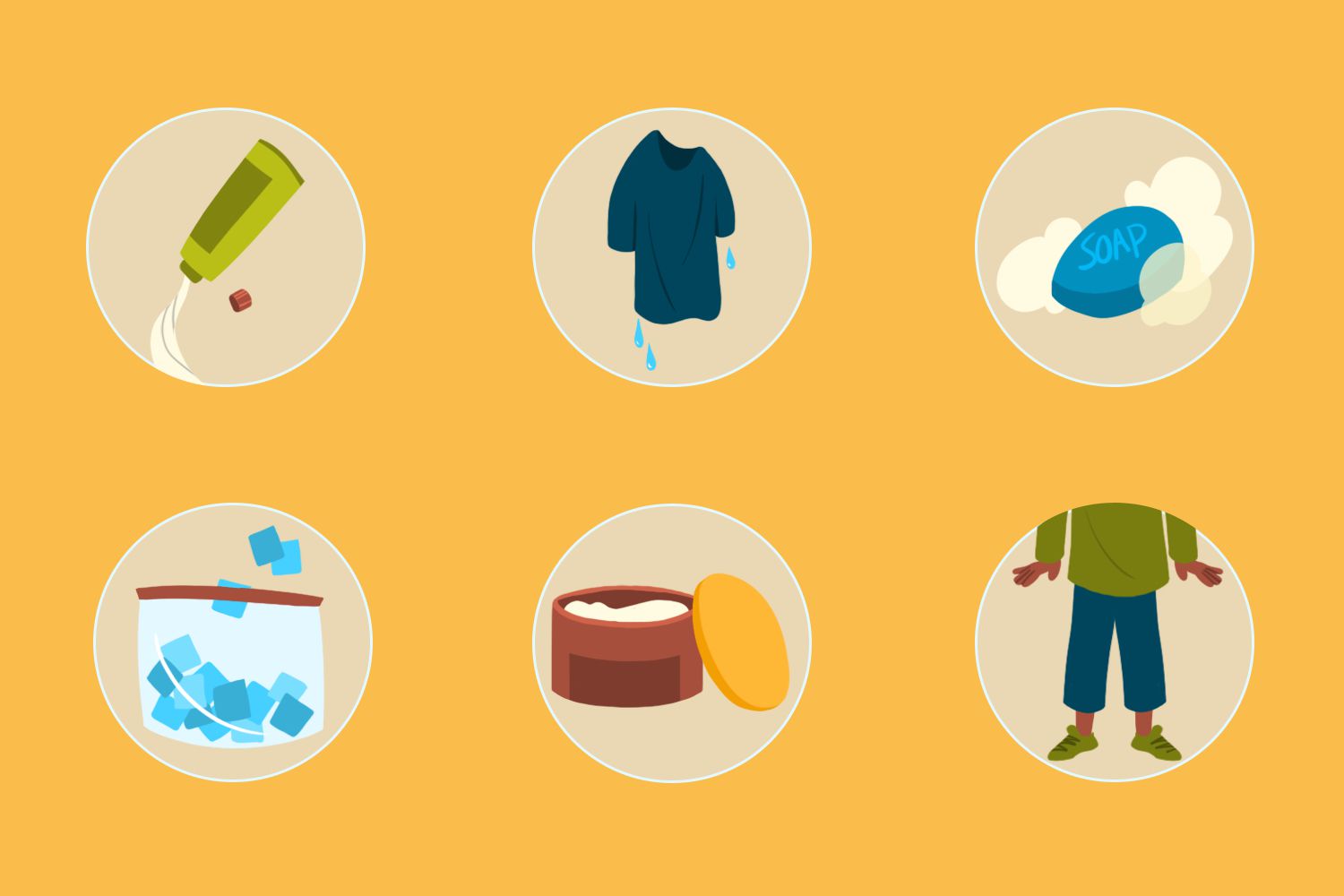
It’s important to treat the cause of your skin condition to get rid of symptoms. At-home treatments that may help ease the symptoms of vaginal peeling include:
- Using over-the-counter antifungal creams and ointments (for a yeast infection)
- Using anti-itch creams like corticosteroid ointments
- Applying ice or a cold compress to ease irritation and itching
- Changing out of wet clothing quickly
- Wearing breathable clothing
- Using gentle, fragrance-free soaps
:max_bytes(150000):strip_icc()/IMG_0813-523ed9671eb14fb4b23bd296c9cccf6c.jpg)