

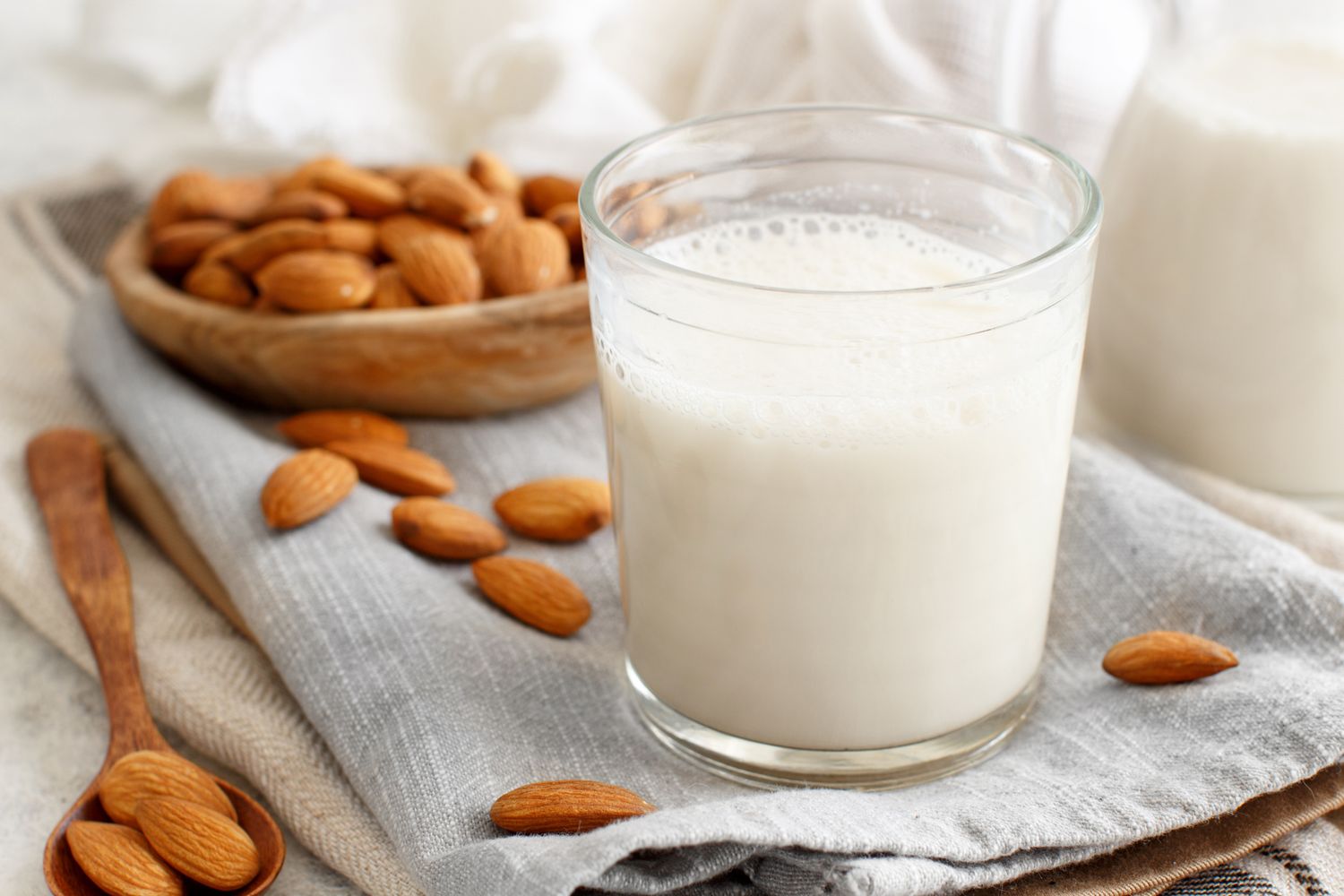
- Unsweetened vanilla almond milk helps support a healthy weight and, being low in saturated fats, is good for your heart.
- Fortified almond milk offers calcium and vitamin D for strong bones.
- Almond milk has much less protein than dairy or soy milk, however.
Unsweetened and fortified vanilla almond milk can be a healthy daily choice. This lactose-free, vegan-friendly beverage provides essential nutrients and is low in calories.
1. Supports Heart Health
Almonds are low in saturated fats and rich in monounsaturated fats, which help maintain healthy cholesterol levels.
Monounsaturated fats are widely seen as healthy fats. Cow’s milk contains saturated fats, which can raise low-density lipoprotein (LDL, or “bad”) cholesterol. Almond milk is low in saturated fat, making it good for your heart.
2. Helps With Weight Management
Unsweetened almond milk is low in calories, making it an excellent choice for managing weight compared to dairy milk.
Unsweetened vanilla almond milk contains significantly fewer calories than most dairy milks, making it an excellent non-dairy choice for calorie control and weight management.
3. Doesn’t Trigger Lactose Intolerance
Lactose is a sugar found in dairy products. Almond milk is naturally lactose-free. Because almond milk doesn’t contain lactose, drinking it daily instead of cow’s milk can help avoid the common bloating, gas, and digestive issues caused by dairy products if you have lactose intolerance.
4. Provides Vitamin E Antioxidants
Vanilla almond milk contains vitamin E, a powerful antioxidant that helps protect your body’s cells from oxidative stress.
By neutralizing harmful free radicals, the vitamin E in almond milk helps maintain cellular integrity and supports the body’s natural defense systems.
5. Promotes Bone Health
Fortified versions of vanilla almond milk are often good sources of calcium and vitamin D, key nutrients that promote strong bones and reduce the risk of osteoporosis.
Calcium and vitamin D levels in fortified almond milk are similar to and sometimes higher than in cow’s milk, depending on the brand. This fortification is critical for promoting bone strength and offsetting long-term osteoporosis risk and preventing fractures.
Always look for almond milk with added calcium and vitamin D. Unfortified versions offer very little of either nutrient and are not a substitute for dairy milk in terms of bone health support.
6. Keeps Blood Sugar Steady
Unsweetened vanilla almond milk is low in carbohydrates, which helps keep blood glucose levels steady and avoids sugar spikes.
Because it’s low in carbohydrates, unsweetened vanilla almond milk helps keep glucose levels steadier than many dairy or oat-based milks. This makes it a preferred choice for regulating blood sugar.
Too Much Sugar Makes It Less Healthy
Unsweetened vanilla almond milk has little to no added sugar. Sweetened versions can quickly turn a healthy milk alternative into a high-sugar beverage that isn’t good for you.
7. Is Gentle on Sensitive Stomachs
Because it doesn’t contain lactose or soy, almond milk is easy for most people to digest.
Soy milk can cause digestive issues due to its high FODMAP content. Almond milk is a great dairy-free choice for people with irritable bowel syndrome (IBS) on a low-FODMAP diet.
What Is Vanilla Almond Milk?
Vanilla almond milk is essentially blended almonds and water, flavored with vanilla. Some manufacturers also include stabilizers to create a smoother, less watery texture. Vanilla flavoring doesn’t add nutrients or calories, but it makes almond milk more palatable to some people.
Many people choose vanilla almond milk because it tastes better than unflavored versions when used in coffee, smoothies, or overnight oats. Even if it’s unsweetened, the light vanilla flavor adds a sense of sweetness and masks the potential chalkiness or thin taste of unflavored almond milk.
Nutrition Information
Here’s what the nutrition of a one-cup serving of almond milk—sweetened and unsweetened—is compared to dairy milk:
| Unsweetened Almond Milk | Sweetened Almond Milk | Reduced-Fat Cow’s Milk | |
|---|---|---|---|
| Calories | 37 cal | 73 cal | 122 cal |
| Protein | 1.3 g | 1.3 g | 8.2 g |
| Carbohydrates | 0.8 g | 10.5 g | 12 g |
| Total Fat | 3.0 g | 2.9 g | 4.6 g |
| Saturated Fat | 0.3 g | 0.2 g | 2.7 g |
| Calcium | 422 mg | 405 mg | 307 mg |
| Vitamin D | 2.2 µg | 2.2 µg | 2.7 µg |
| Vitamin E | 8.1 mg | 7.8 mg | 0 mg |
Almond milk without added sugar is low in calories, but it’s also low in protein. If you rely on milk as a protein source, you may need to supplement regular almond milk with other protein-rich foods or use protein powder.
Who Should Avoid or Limit Almond Milk
Vanilla almond milk is safe for most people, but a few groups should pay attention to the type they choose and how often they drink it.
- People who need more protein: Some people, such as growing children or people who are pregnant, may benefit from drinking cow’s milk over almond milk, since it offers more protein per serving.
- Babies and Infants: Almond milk is not safe for babies under 12 months. Infants require breast milk or specific plant-based formulas to meet their unique nutritional needs.
- People sensitive to emulsifiers: Some people may experience stomach discomfort from having too much almond milk with carrageenan, an emulsifier that can cause intestinal inflammation.
- People with nut allergies: Almond milk is unsafe for anyone with a tree nut allergy, even in small amounts. Always read the ingredient list closely to confirm safety.
:max_bytes(150000):strip_icc()/ChristopherBergland_Jan.2022_Headshot-ef29ad7083144784abc05c1d7e560a36.jpg)